
Trading options weekly can be a fast track to profits, but it’s also a quick way to lose money if you’re not careful. The key to staying ahead isn’t just knowing the strategies, it’s about having the discipline to stick to them. This article dives into how you can build that discipline, manage your emotions, and create a trading routine that works, especially when the market gets wild. Let’s get into it.
Key Takeaways
- A solid trading plan, including clear goals and risk tolerance, is the bedrock of discipline in options trading.
- Emotional control is vital; recognize fear and greed and use strategies to prevent them from dictating your trades.
- A trading journal helps document decisions, analyze performance, and identify emotional triggers for better self-awareness.
- Consistent routines, technology aids, and accountability partners are practical ways to stick to your trading plan.
- Discipline allows you to navigate market volatility by avoiding knee-jerk reactions and trusting your tested strategy.
Establishing A Disciplined Trading Framework
Alright, let’s talk about setting up a solid foundation for your weekly option trades. It sounds fancy, but really, it’s about creating a system so you don’t just wing it every time you place a trade. Think of it like building a house – you wouldn’t just start hammering nails without a blueprint, right? Trading is similar. You need a plan, and you need to stick to it, especially when things get a little wild.
Define Your Trading Goals
First things first, what are you actually trying to achieve with these trades? Are you looking for a little extra income each week, or are you trying to grow your account significantly over the next year? Be specific. Instead of saying ‘make money,’ try something like ‘generate $500 in premium income per week’ or ‘increase my trading account by 10% this quarter.’ Having clear, measurable goals helps you see if you’re on the right track. It’s also good to break down those big goals into smaller, weekly targets. This makes them feel more manageable and gives you something concrete to aim for each week. It’s easy to get lost in the day-to-day market action, but knowing your ultimate destination keeps you focused.
Identify Your Risk Tolerance
This is a big one. How much can you really afford to lose on any given trade, or even in a bad week, without it messing up your life? Be honest with yourself here. Some people are okay with taking on more risk for potentially bigger rewards, while others prefer to play it safe. Your risk tolerance will shape everything from the types of options you trade to how much capital you put into each position. A common rule of thumb is to risk only 1-2% of your total trading capital on any single trade. This helps protect your account from big hits. Understanding this helps you set stop-loss levels and position sizes that fit your comfort zone. It’s not about being scared; it’s about being smart and staying in the game long-term.
Develop A Rigorous Trading Plan
This is where it all comes together. Your trading plan is your rulebook. It should cover:
- Entry Criteria: What specific conditions (like price action, indicators, or news events) must be met before you even consider entering a trade?
- Exit Criteria: When do you get out? This includes both profit targets (when you take your gains) and stop-loss levels (when you cut your losses). Don’t forget to define conditions for exiting if the market setup changes unexpectedly.
- Risk Management: How much capital will you allocate to each trade? What’s your maximum acceptable loss per day or week? How will you manage your overall portfolio exposure?
- Trade Selection: What types of options strategies will you use (e.g., selling puts, buying calls, spreads)? Will you focus on specific sectors or asset classes? For instance, you might decide to focus on selling premium when implied volatility is high, a strategy often seen in high IV rank trading.
A well-defined plan acts as your shield against impulsive decisions driven by fear or greed. It provides a logical framework for action, helping you remain consistent even when market sentiment is chaotic. Without a plan, you’re essentially gambling, not trading.
Sticking to this plan, even when it feels tough, is the core of discipline. It’s about executing your strategy consistently, learning from each outcome, and making adjustments based on data, not emotion.
Mastering Emotional Control In Options Trading
Look, trading options can get pretty wild. One minute you’re feeling like a genius, the next you’re wondering if you should just walk away from the computer. It’s easy to let your feelings take over, and that’s usually when things go south. Sticking to your plan when your gut is screaming something else? That’s the real challenge.
Recognize Common Emotional Biases
We all have these little mental shortcuts that can mess with our trading. Fear is a big one – fear of missing out on a big win, or fear of losing money. Greed is right there with it, making you want to push your luck too far. Then there’s overconfidence after a few good trades, making you think you’re invincible. It’s like your brain is playing tricks on you, pushing you to make impulsive moves.
- Fear of Missing Out (FOMO): Jumping into a trade just because you see others making money, even if it doesn’t fit your plan.
- Greed: Holding onto a winning trade for too long, hoping for more, only to see it reverse.
- Overconfidence: Taking on too much risk after a string of successful trades, ignoring your risk management rules.
- Panic: Selling a position too quickly during a market dip because you’re scared of further losses.
Strategies To Strengthen Emotional Control
So, how do you fight back against these feelings? It’s not about not feeling them, but about not letting them drive the bus. One of the best things you can do is have a solid trading plan and actually follow it. Seriously, write it down. When you have clear rules for when to get in and when to get out, it’s much harder to make a snap decision based on a sudden feeling.
Having a pre-defined set of rules for entry, exit, and position sizing acts as a mental anchor. When emotions start to run high, referring back to these objective criteria can help you make a more rational choice, rather than reacting impulsively to market noise.
Another trick is to just pause. Before you click that button, take a breath. Ask yourself: "Is this trade really in line with my plan, or am I just feeling something right now?" Sometimes, just a few seconds of thinking can save you a lot of pain.
The Impact Of Fear And Greed On Decisions
Fear and greed are like the two sides of a coin in trading. Fear can make you sell too early, cutting off potential profits. It can also make you avoid taking good trades because you’re too worried about the downside. Greed, on the other hand, can lead you to over-trade, take on too much risk, or hold onto losing positions for too long, hoping they’ll magically turn around. Both emotions cloud your judgment and lead you away from the disciplined approach that actually works over time. The goal is to make decisions based on your strategy, not on how you feel in the moment.
The Role Of A Trading Journal
Alright, so you’ve got your plan, you know your goals, and you’re ready to trade. But how do you actually know if what you’re doing is working? That’s where a trading journal comes in. It’s not just some diary where you scribble down your wins and losses; it’s way more than that. Think of it as your personal trading coach, always there to give you the honest truth about your performance.
Documenting Every Trade
Seriously, write down everything. When you get into a trade, when you get out, why you made that specific move, and even how you were feeling at that exact moment. This level of detail is super important. It helps you spot patterns you might otherwise miss. Maybe you notice you tend to get a bit too excited after a big win and make a rash decision on the next trade, or perhaps you get scared and exit a perfectly good position too early when the market dips slightly. Recording these details is the first step to understanding your own trading psychology. It’s like having a mirror reflecting your actions back at you, so you can see what’s really going on. This documentation is key to improving your trading strategy and overall success.
Analyzing Performance Data
Just writing things down isn’t enough, though. You’ve got to actually look at what you’ve written. Set aside some time each week, maybe on a Sunday afternoon when things are quiet, to go through your journal. Look for trends. Are certain types of trades consistently profitable for you? Are there specific market conditions where you seem to struggle? This analysis helps you refine your approach. You can start to see which parts of your plan are working and which ones need tweaking. It’s about using the data to make smarter choices, not just guessing.
Here’s a quick look at what you might track:
- Date & Time: When the trade was initiated and closed.
- Asset: What you traded (e.g., SPY calls, AAPL puts).
- Entry Price: Where you got in.
- Exit Price: Where you got out.
- Reason for Entry: Your trading thesis.
- Reason for Exit: Why you closed the position.
- Profit/Loss: The outcome in dollars and percentage.
- Emotional State: How you felt (e.g., confident, anxious, greedy).
- Notes: Any other relevant observations.
Regularly reviewing your journal entries allows you to objectively assess your performance. This process helps separate emotional reactions from rational decision-making, which is vital for consistent results in the often-unpredictable options market.
Identifying Emotional Triggers
This is where the journal really shines. Options trading can be a rollercoaster of emotions – excitement, fear, greed, regret. Your journal helps you pinpoint what sets off those strong feelings and how they impact your decisions. Did a losing trade make you overly cautious on the next one? Did a big win make you feel invincible, leading you to take on too much risk? By recognizing these triggers, you can start to develop strategies to manage them. Maybe you need to take a break after a significant loss or stick to your pre-defined profit targets even when you feel like you can squeeze a little more out. It’s all about building self-awareness so you can trade with a clear head, not a racing heart.
Strategies For Sticking To Your Plan
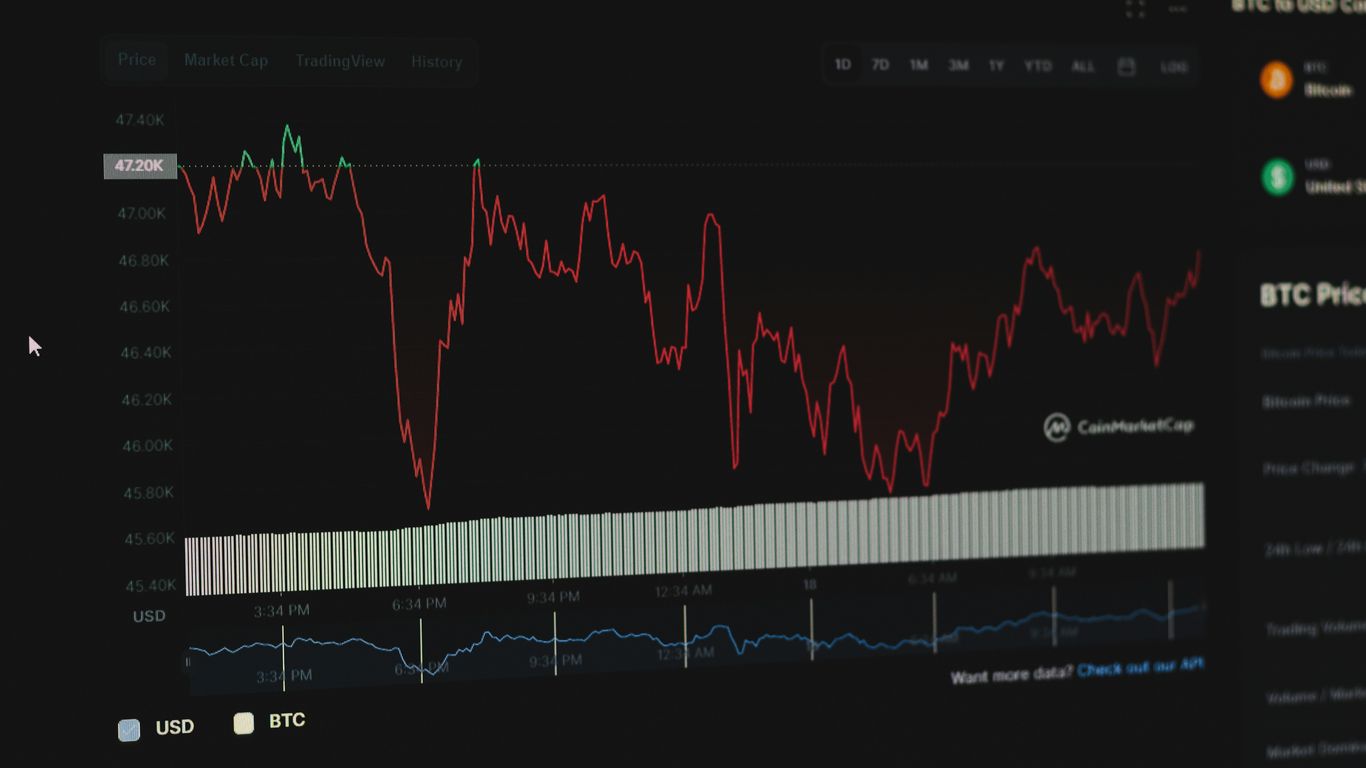
When you’ve made a weekly options trading plan, sticking to it is a lot harder than just writing it down. Whether you’re brand new or a seasoned trader, the temptation to do something off-script hits everyone. Discipline isn’t about being perfect; it’s about doing what you set out to do even when every nerve tells you to act differently. Here are some strategies to keep you true to your blueprint, especially when the market—or your emotions—try to pull you off course.
Develop A Consistent Trading Routine
- Schedule regular review times: Block off time each week for trade analysis and planning.
- Standardize your process: Always follow the same steps before entering or exiting a position—this reduces mistakes and second-guessing.
- Document your actions: Writing down your reasoning before placing trades helps clarify if you’re following your plan, not reacting to a feeling.
A set routine isn’t just boring repetition—it’s how you stop small mistakes and make rational, not emotional, decisions over time.
Leveraging Technology And Alerts
Modern trading platforms offer tools that can help keep you disciplined if you use them the right way. You can:
- Set price and volatility alerts to be notified only when your trade criteria are hit; this keeps you from watching every tick, reducing stress.
- Use automated stop-loss and limit orders—when preset, these act like guardrails so your emotions aren’t calling the shots in a fast market.
- Track performance using apps that compile your trades and stats, helping you see where you’re sticking to your strategy versus where you veer off (consider examining delta-neutral strategies with objective tools and software).
Here’s a quick table of technology helpers:
| Tool | How It Helps |
|---|---|
| Price Alerts | Tells you when key levels hit |
| Stop-Loss Orders | Protects you from surprise drops |
| Performance Apps | Reveals trading pattern over time |
The Power Of Accountability Partnerships
Trading can feel isolating, but connecting with others can make you much more consistent.
- Find a trading buddy: Regular check-ins about your goals and decisions keep you honest.
- Join a small group or mentor network: Sharing both successes and screw-ups with someone experienced is eye-opening. They’ll call out reckless moves or cheer steady progress.
- Set review milestones: Plan monthly or quarterly reviews with your partner to see if you’ve followed your plan—and, if not, why.
There’s real comfort in talking shop with people who get the ups and downs of trading. Even a bit of outside perspective can help when your confidence wobbles or you’re tempted to ignore your plan.
Sticking to your plan isn’t glamorous, but over time, it keeps your decisions grounded. Use habits, tools, and the right support to keep your option trading steady, no matter how hectic things get.
Navigating Market Volatility With Discipline
Market swings can feel like a wild ride, right? One minute things are calm, the next, prices are jumping all over the place. It’s totally normal to feel a bit anxious when this happens. A big drop might make you want to hit the sell button on everything, and a sudden spike could tempt you to jump in and buy more. But here’s the thing: reacting without thinking when the market is moving fast is usually a bad idea.
Avoiding Knee-Jerk Reactions
When prices are flying, it’s easy to get caught up in the moment. Making decisions based on what’s happening right now instead of sticking to your long-term plan can lead to mistakes. If you feel that urge to make a quick trade, just pause. Take a breath, maybe count to ten. Honestly, sometimes the best move is to do nothing at all. Let the market settle down a bit and trust the plan you already put in place. Selling in a panic or buying because you’re afraid of missing out often leads to regret later on.
Filtering Out Market Noise
We live in a world with a constant stream of news and opinions about the market, especially online. It’s almost impossible to avoid. But letting all that external chatter dictate your trading decisions can be risky. There’s always some new headline about the next big thing, and it’s tempting to chase it. Instead, focus on what you know. Stick to your strategy and the research you’ve already done. Remember why you chose your current trades in the first place. It’s about staying focused on your own path, not getting swayed by every new tip you hear.
Trusting Your Tested Strategy
This is where having a solid trading plan really pays off. If you’ve done your homework, backtested your approach, and understand the option Greeks involved, you have a reason to believe in your strategy. When the market gets choppy, that’s the time to lean on your plan the most. It’s your guide to making calculated decisions, not emotional ones. Think of it like this:
- Define your entry and exit points clearly.
- Set your risk management rules beforehand.
- Review your plan regularly, not just when things get tough.
Sticking to a plan during volatile times isn’t just about rules; it’s about building confidence in your own decision-making process. It helps you avoid costly mistakes driven by fear or greed.
Handling both wins and losses with a level head is also key. Don’t let a big win make you overconfident, and don’t let a loss make you second-guess everything. Each trade, win or lose, is a chance to learn and refine your approach. By staying disciplined and trusting your tested strategy, you can weather market storms and keep moving toward your trading goals.
Continuous Learning And Adaptation
Markets never really stop shifting, and weekly option trades are no exception. If you find yourself getting too comfortable with your current process, that’s a hint it may be time to shake things up and learn something new. Staying flexible and curious is a habit worth working on.
Staying Informed On Market Trends
Trading is not a set-and-forget activity. You’ll want to check in on market news—maybe not every hour, but regularly enough that you’re not blindsided. Here are a few simple habits to help:
- Subscribe to one reliable financial news source and read the daily summary.
- Set up Google Alerts for market topics you trade, like SPY or IV Rank.
- Join a weekly or monthly options newsletter to get a variety of ideas.
Don’t let headlines steer your trades, but pay enough attention so you’re not completely out of the loop when volatility hits.
Participating In Trading Communities
It can feel like you’re on your own, but there are tons of forums and chat groups just for options traders. These communities offer ideas, cautionary tales, and that simple reassurance that you’re not the only person who’s struggled with a soured trade.
- Share your trading journal or results and get honest feedback.
- Ask questions, even the basic ones, because odds are, someone else is wondering the same thing.
- Watch a group trade review session to see others’ thought process in real time.
If you’re unsure where to start, platforms like Reddit’s r/options or Discord chat groups are pretty popular and active.
Adapting Strategies For Evolving Markets
Markets change faster than you expect. What worked last month might suddenly stall. The trick is to review your results and stay open to tweaking or even scrapping approaches when they stop working.
A simple review process might look like this:
| Review Step | How Often? | What to Look For |
|---|---|---|
| Weekly Trade Log Review | Every weekend | Missed signals, errors |
| Strategy Adjustment | Monthly | Win/loss ratios, trends |
| Test New Ideas (Paper) | As needed | Notes on outcomes |
Keep your adjustments data-driven—not emotional. Let the numbers push you to adapt when you see a pattern, and give new changes at least a few weeks to see if they stick.
Staying sharp and willing to learn new tricks is what stops most traders from getting stale. Stick with it, and make learning a regular part of your weekly trading routine.
From Theory To Practice: Implementing Strategies
Okay, so you’ve spent time learning about different weekly option trades, maybe you’ve even backtested a few. That’s great! But knowing how a strategy should work and actually making it work with your own money are two different things. It’s like reading a recipe versus actually cooking the meal. You need to get your hands dirty, so to speak.
Starting With Paper Trading
Before you even think about putting real cash on the line, you absolutely need to get comfortable with paper trading. Think of it as a sandbox for your trading ideas. You get to practice executing trades, making adjustments, and closing positions without any actual financial risk. It’s a fantastic way to build confidence and get a feel for how different strategies behave in various market conditions. Don’t just dabble; treat it like real trading. Set up your alerts, follow your plan, and record everything in your journal. This is your free training ground, so make the most of it.
Specializing Before Diversifying
It’s tempting to want to try every single strategy you’ve learned about all at once. Resist that urge. Trying to juggle too many things at once usually leads to doing none of them well. Instead, pick one or two strategies that really click with your personality and your market outlook. Maybe you like the income potential of selling puts, or perhaps you prefer the defined risk of a spread. Whatever it is, focus on becoming really good at that one thing first. Understand its nuances, its best-use cases, and how to manage it through different scenarios. Once you’ve got a solid handle on a couple of strategies, then you can think about adding more to your toolkit.
Consistent Application Of Chosen Strategies
This is where the rubber meets the road. You’ve got your plan, you’ve practiced, and you’ve picked your go-to strategies. Now, the real work begins: sticking to it. It sounds simple, but it’s surprisingly hard when real money is involved and emotions start to run high. You need to develop a routine and a mindset that allows you to consistently apply your chosen strategies, even when the market is doing something unexpected or when you feel that familiar pull of fear or greed.
The goal isn’t to hit home runs on every trade. It’s about making sound, repeatable decisions based on your plan, managing your risk properly, and letting the probabilities work in your favor over time. Consistency is your best friend here.
Here’s a quick checklist to help you stay on track:
- Define your ‘why’ for each trade: Before you enter, can you clearly explain the reason based on your strategy and market analysis? If not, don’t take the trade.
- Stick to your entry and exit rules: Don’t get cute. If your plan says enter at X price or with Y indicator, do that. If it says exit at Z profit or loss, do that too.
- Manage your risk diligently: Never risk more than you’ve decided you’re comfortable with on any single trade. Use your stop losses and position sizing rules religiously.
Ready to turn your trading ideas into real money? Our easy-to-follow guides break down how to make smart moves in the market. You don’t need to be an expert to start building a better financial future. Visit our website today to begin your journey to financial freedom!
Sticking With It
So, we’ve gone over a bunch of ways to trade options weekly. Remember, it’s not about finding some magic bullet that guarantees you’ll win every time. That just doesn’t exist. What really matters is being disciplined, managing your money carefully, and always being willing to learn. Those quick wins you see advertised with weekly options can turn into quick losses if you’re not careful. Your success won’t come from one lucky trade, but from consistently using your chosen strategy, keeping your risks in check, and learning from everything – the good and the bad. The real progress happens when you actually start doing it, not just thinking about it. Try paper trading first, get good at one or two strategies before trying to do everything at once. It takes time, but sticking with it is how you get better.
Frequently Asked Questions
What is discipline in trading?
Discipline in trading means sticking to your plan and not letting emotions like fear or excitement make you make rash decisions. It’s about making smart, planned moves instead of impulsive ones.
Why is a trading plan important?
A trading plan is like a map for your trades. It tells you what to do, how much risk to take, and when to trade. Following it helps you make consistent choices and avoid big mistakes.
How can I control my emotions when trading?
You can control emotions by recognizing them, like fear of missing out or greed. Using a trading journal to see how emotions affect your decisions and practicing mindfulness can also help you stay calm.
What is a trading journal and why should I use one?
A trading journal is where you write down every trade you make, why you made it, and how you felt. Looking back at it helps you learn from your wins and losses, find patterns, and improve your strategy.
How can technology help me stay disciplined?
Technology offers tools like alerts for price changes or automatic stop-loss orders. These help you stick to your plan without constantly watching the market, reducing stress and impulsive actions.
What’s the best way to start trading options if I’m new?
Start by practicing with fake money on a trading simulator (paper trading). This lets you try different strategies without risking real money and helps you learn how they work in different market situations.