
Trading options on the QQQ ETF can be a way to generate income, but it’s not as simple as just buying and selling. The QQQ tracks the Nasdaq-100 index, which is known for its tech focus and can be pretty volatile. This means there’s potential for profit, but also for significant risk. It’s important to know what you’re getting into, understand how options work, and have a solid plan before you start putting your money on the line. We’ll cover some of the basics here to help you get a better picture of QQQ options for income.
Key Takeaways
- QQQ options are available and actively traded, offering a wide range of choices for traders.
- Mastering QQQ options trading involves understanding pricing, having a solid plan, and a statistical edge, often validated through backtesting.
- Factors like time to expiration, interest rates, dividends, and market sentiment all play a role in how QQQ options are priced.
- Specific risks exist with QQQ options, including the inherent volatility of the Nasdaq-100 and the leverage involved in options trading.
- Common mistakes to avoid include trading illiquid options, not managing risk, and ignoring factors like implied volatility and expiration timing.
Understanding QQQ Options For Income Generation
So, you’re looking to make some extra cash using QQQ options. That’s totally doable, but it’s not exactly a walk in the park. You gotta know what you’re doing, or you could end up losing money faster than you can say ‘Nasdaq 100’. Let’s break down what you need to know before you jump in.
Are There Options on QQQ?
Yep, there absolutely are options on QQQ. In fact, the market for them is pretty massive. You’ll find tons of contracts traded every single day, with all sorts of different prices (strike prices) and dates when they expire. QQQ options are super popular, and the ETF itself has been around for a while, making it a go-to for many traders. It’s one of the most actively traded options out there.
How Do You Master QQQ Options Trading?
Mastering QQQ options trading isn’t something that happens overnight. It takes time, practice, and a good dose of learning. You need to get a handle on how the market works, how options are priced, and what makes them move. It’s not just about picking a direction; it’s about understanding the probabilities and managing your risk. Some folks find strategies like the QQQ Wheel Trading Strategy helpful for generating income, but even those require a solid understanding.
What Factors Influence the Pricing of QQQ Options?
Several things can mess with the price of a QQQ option. Think about the time left until it expires – the longer it has, the more expensive it usually is because there’s more time for the price to move. Interest rates play a part too, affecting how much it costs to hold onto a position. And don’t forget about dividends; if QQQ is about to pay one, that can shift option prices, especially for contracts expiring around that time. Lastly, general market sentiment, or what most people think will happen, really drives demand and, therefore, prices.
Options trading can be complex, and it’s easy for new traders to get caught up in the excitement. It’s really important to have a clear plan and understand the potential downsides before you start putting your money on the line. Don’t just jump in because everyone else seems to be doing it.
Key Considerations For Trading QQQ Options
Before you jump into trading QQQ options, there are a few things you really need to get a handle on. It’s not just about picking a direction and hoping for the best. You’ve got to understand the mechanics and the environment these options live in.
What Are the QQQ Options Trading Hours?
The standard trading hours for QQQ options align with the regular stock market session. You can trade them from 9:30 AM to 4:00 PM Eastern Time. This means you have a solid window to get your trades in, but you’re also limited to when the main exchanges are open. No 24-hour trading here, folks. This timing is pretty important, especially if you’re looking to react to news that breaks after the market closes or before it opens.
How Do Implied Volatility and Historical Volatility Affect QQQ Options?
Volatility is a big deal in options trading, and QQQ is no exception. You’ve got two main types to think about: historical volatility and implied volatility. Historical volatility looks at how much QQQ has actually moved in the past. Implied volatility, on the other hand, is what the market thinks will happen. It’s baked into the option’s price and reflects the current expectations of future price swings.
- Implied Volatility (IV): When IV goes up, option premiums generally increase, assuming everything else stays the same. This is because there’s a higher perceived chance of a big price move, making options more valuable. Conversely, when IV drops, option prices tend to fall.
- Historical Volatility (HV): This gives you a baseline of past price action. Comparing HV to IV can sometimes reveal if options are relatively cheap or expensive based on historical norms.
Understanding the difference and how they play off each other is key. High IV can make selling options more attractive (you collect more premium), but it also means the underlying asset is expected to move a lot, increasing risk. Low IV might make buying options cheaper, but it suggests smaller expected moves.
Trading options involves a lot of moving parts. It’s easy to get caught up in the excitement, but a solid grasp of concepts like volatility is what separates those who consistently lose money from those who might have a chance.
How Does the Performance of the Overall Market Influence QQQ Options?
QQQ tracks the Nasdaq-100 Index, which is heavily weighted towards technology and growth stocks. Because of this, QQQ’s performance is often closely tied to the broader market’s direction, especially the tech sector. When the overall market is doing well, QQQ usually follows suit, and its options tend to become more valuable. If the market is struggling, QQQ often takes a hit too, and option prices can drop. So, keeping an eye on the general market sentiment and economic news is pretty important for anyone trading QQQ options. It’s not just about QQQ itself; it’s about the environment it operates in. A rising tide lifts all boats, as they say, and a falling tide can drag them down too. This relationship means that understanding macro trends can give you an edge when considering your options trades.
Strategies For Generating Income With QQQ Options
So, you’re looking to make some extra cash by trading options on QQQ, the ETF that tracks the Nasdaq-100. It’s a popular choice, and for good reason. But how do you actually turn these options into income? It’s not just about guessing which way the market will go; it’s about having a plan. Let’s break down some ways people try to generate income using QQQ options.
What Is the QQQ Wheel Trading Strategy?
The Wheel strategy is a popular method for generating income, and it can be applied to QQQ options. It’s a pretty straightforward, albeit potentially time-consuming, approach. The idea is to sell cash-secured puts on QQQ. If the puts expire worthless, you keep the premium. If they get assigned, meaning you have to buy the shares, you then sell covered calls against those shares. The goal is to keep collecting premiums from selling both puts and calls. It’s a cycle, hence the name "Wheel."
Here’s a simplified look at the steps:
- Sell Cash-Secured Puts: You sell put options and set aside enough cash to buy 100 shares of QQQ per contract if the option is assigned. You collect a premium for selling the put.
- Assignment or Expiration: If QQQ stays above your strike price, the put expires, and you keep the premium. You can then sell another put. If QQQ falls below your strike price, you’re assigned the shares.
- Sell Covered Calls: If you’re assigned shares, you then sell call options against those shares. You collect another premium.
- Assignment or Expiration (Again): If QQQ stays below your call strike price, the call expires, and you keep the premium. You can then sell another call. If QQQ rises above your call strike price, your shares are called away, and you keep the premium. You’re now back to step one, ready to sell another put.
This strategy aims to generate consistent income through premiums, but it does tie up capital and requires active management.
Strategies for Hedging Risk When Trading QQQ Options
Trading options, especially on a volatile index like the Nasdaq-100, comes with risks. Nobody wants to lose money, so hedging is a big deal. It’s all about protecting yourself from those unexpected market swings. Think of it like buying insurance for your trades.
One common way to hedge is by using options spreads. For example, you might buy a protective put option to limit your downside if QQQ drops sharply. Or, if you own QQQ shares, you could sell a covered call to generate some income while offering a small buffer against a price decline. Another approach involves setting stop-loss orders. These are automatic sell orders that kick in if the price of your option or underlying shares falls to a certain level, cutting your losses before they get too big.
Managing risk is arguably more important than trying to pick winners. Without a solid risk management plan, even the best trading strategies can lead to significant losses. It’s about survival and consistency over the long haul.
How Do You Select the Appropriate Expiration Date and Strike Price?
Choosing the right expiration date and strike price is where a lot of the art and science of options trading comes in. It really depends on what you’re trying to achieve and how much risk you’re comfortable with.
For income generation, you might lean towards shorter-term options to collect premiums more frequently. However, shorter expirations also mean less time for your trade to work out and a quicker impact from time decay. Longer-term options give you more breathing room but cost more upfront (if buying) or bring in less premium (if selling).
When picking a strike price, it’s a balancing act. Options that are far from the current price (out-of-the-money) are cheaper but need a bigger move in QQQ to become profitable. Options that are close to or already in the money are more expensive but have a higher chance of being profitable. You need to consider your outlook for QQQ. Are you expecting a big move, a small move, or no move at all? Your answer will guide your strike price selection. It often takes some trial and error to find what works best for your specific income strategy.
Risks and Mistakes in QQQ Options Trading
Trading options on the QQQ ETF, which tracks the Nasdaq-100, can be exciting, but it’s not without its own set of risks and potential pitfalls. It’s easy to get caught up in the potential for quick gains, but understanding what can go wrong is just as important as knowing how to profit.
Are There Any Specific Risks Associated With Trading QQQ Options?
One of the main risks comes from the QQQ itself. The Nasdaq-100 is known for its volatility, especially the tech stocks it holds. This means the QQQ can swing up or down pretty sharply. When you add options to the mix, which already use leverage, those swings can get amplified. So, a small move in the QQQ could mean a much bigger gain or loss on your option contract. Plus, things like interest rate changes, big news events, or even just general market mood swings can really mess with option prices. It’s a lot to keep track of.
What Are Some Common Mistakes to Avoid When Trading QQQ Options?
Lots of traders make similar mistakes, especially when they’re starting out. Here are a few big ones to watch out for:
- Not checking liquidity: If an option doesn’t trade much, it can be hard to get in or out of a position without losing money on the spread. Always look at the volume and open interest.
- Ignoring implied volatility: This is a big one. High implied volatility means higher premiums, but it also means the market expects bigger price moves. Selling options when IV is sky-high can seem attractive, but it’s risky if you’re not prepared for those potential moves. Understanding high IV rank trading is key here.
- Skipping risk management: Not having a plan for how much you’re willing to lose is a recipe for disaster. Set stop-losses and don’t bet too much on any single trade.
- Chasing trends without thinking: Just jumping into a trade because the QQQ has been moving a certain way can lead to buying at the top or selling at the bottom.
- Forgetting about time decay: Options lose value as they get closer to expiration. If your prediction doesn’t happen fast enough, time decay can eat away at your profits, or even your initial investment.
Options trading, especially with leveraged ETFs like QQQ, requires a disciplined approach. It’s not just about picking the right direction; it’s about managing risk, understanding the Greeks, and having a solid plan that accounts for time and volatility.
Disadvantages of Buying QQQ Options
When you buy an option, you pay a premium upfront. The biggest disadvantage is that you can lose that entire premium if the option expires worthless. This happens if the QQQ doesn’t move enough in the direction you expected before the expiration date. Options have a ticking clock – time decay works against the buyer. So, even if the QQQ moves a little in your favor, the time decay might cancel out those gains. It takes a pretty significant move in the right direction, and within the right timeframe, to make buying options profitable. For many, the cost of the premium and the risk of losing it all makes buying options a less attractive strategy compared to other methods.
Market Dynamics and QQQ Options
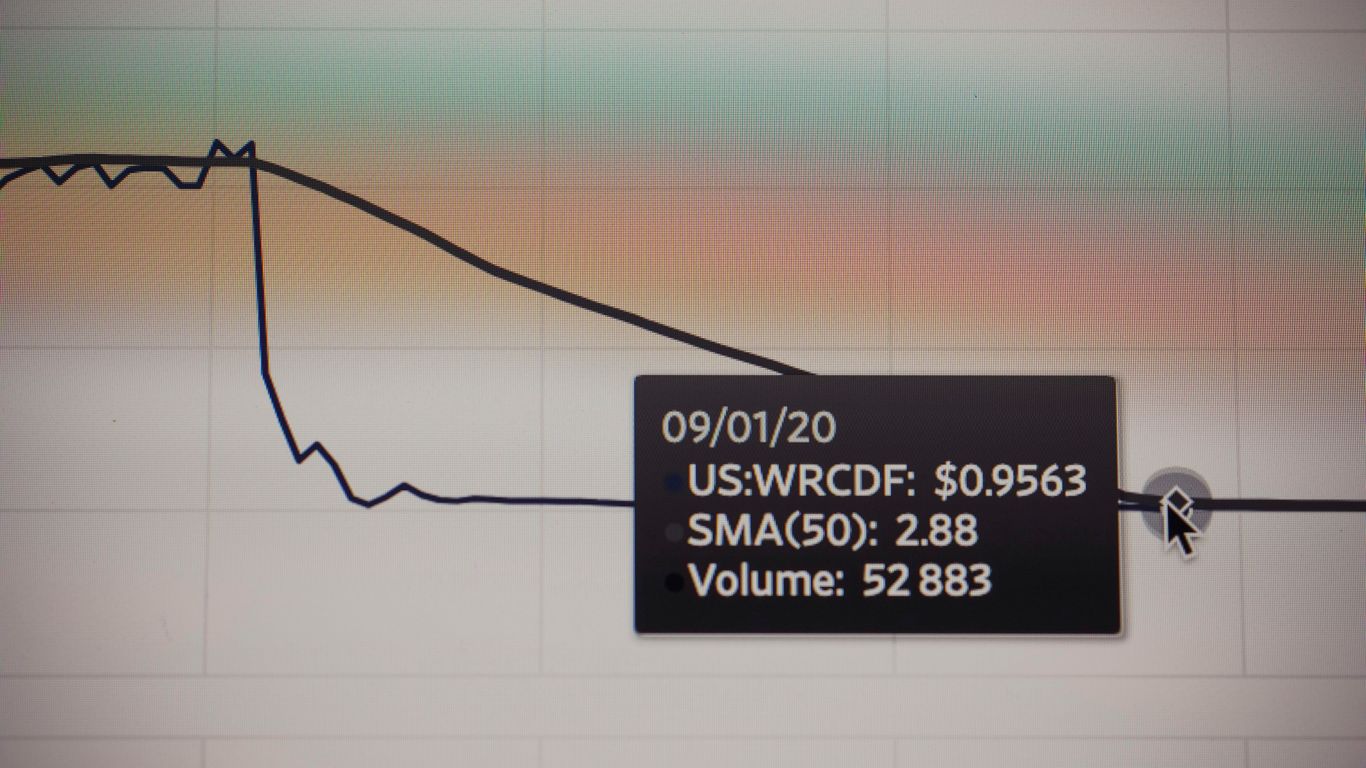
When you’re trading options on QQQ, it’s not just about the ETF itself. You’ve got to keep an eye on the bigger picture, you know? The overall market mood, what’s happening globally, and even small things like dividends can really shake things up. It’s like trying to predict the weather – lots of factors at play.
What Role Does Market Sentiment Play in QQQ Options Trading?
Market sentiment is basically the general attitude of investors towards the market. Are people feeling optimistic and ready to buy, or are they scared and looking to sell? This feeling can really push QQQ options prices around. If everyone’s feeling good, QQQ might go up, making call options more valuable and put options less so. The opposite happens when sentiment turns sour. Traders try to figure out this sentiment by looking at things like how many people are buying calls versus puts, or just by reading the news. It’s a bit of an art, trying to catch these shifts.
How Do Dividends Impact QQQ Options Pricing and Trading Strategies?
QQQ tracks the Nasdaq-100, and the companies within it sometimes pay dividends. When a stock goes ex-dividend, its price usually drops by the dividend amount. This can affect QQQ options, especially calls. If you’re selling calls, you don’t want to be caught holding a short position right before an ex-dividend date, because that stock price drop could hurt you. So, traders often adjust their plans around these dates to avoid unexpected losses. It’s another piece of the puzzle to consider for profitable trades.
How Do Macroeconomic Factors Affect QQQ Options Trading?
Big economic stuff, like changes in interest rates or international drama, can really move the needle on QQQ options. If interest rates go up, it can make borrowing more expensive for companies, which might slow down their growth and make investors a bit nervous. This can lead to QQQ dropping, impacting option prices. Then there are geopolitical events – think trade wars or conflicts. These create uncertainty, and uncertainty usually makes investors more cautious, affecting how much they’re willing to risk on options. Staying informed about these larger economic trends is pretty important for anyone trading QQQ options. It’s worth noting that QQQ is approaching its 99% confidence level on the weekly chart, which historically suggests a potential resistance or overbought condition [d3ea].
You can’t just look at QQQ in a vacuum. It’s tied to the tech sector, and the tech sector is tied to the broader economy. So, if the economy sneezes, QQQ might catch a cold, and that definitely affects your options.
Practical Aspects of QQQ Options Trading
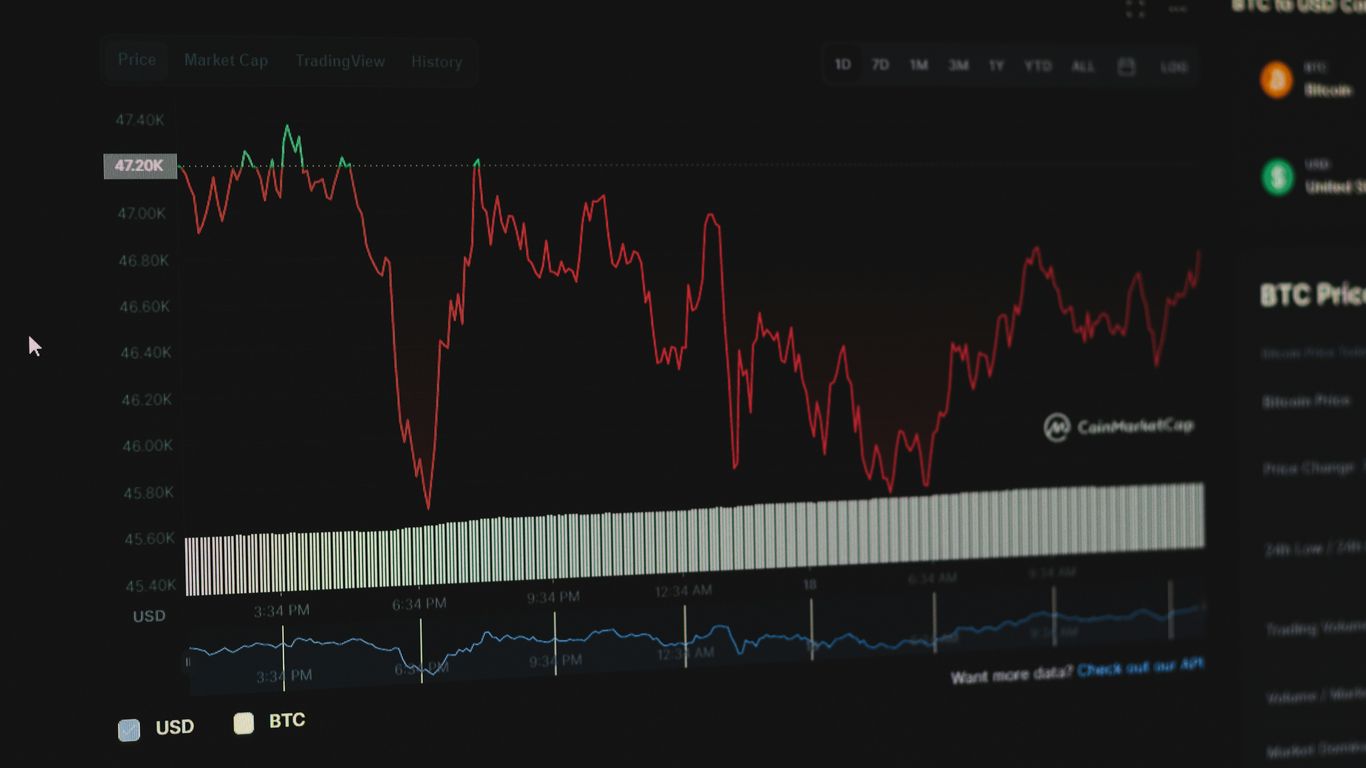
Let’s get down to the nitty-gritty of actually trading QQQ options. It’s not just about knowing the strategies; you’ve got to understand the mechanics of when and how you can trade them, and what happens when you do.
Can You Swing Trade QQQ Options?
Sure, you can swing trade QQQ options. People do it all the time. But, and this is a big but, it’s really tough to consistently make money doing it. Most folks who try end up losing out. You’re up against some pretty sophisticated players, and timing the market for a few days or weeks with options is a tricky game. It’s not impossible, but you need a solid plan and a good dose of luck.
Can You Scalp QQQ Options?
Technically, yes, you can scalp QQQ options. This means trying to grab tiny profits from very short-term price movements. However, much like swing trading, it’s often a losing battle for the average trader. The competition is fierce, and the transaction costs can eat up any small gains you might make. You’re basically going head-to-head with people who have better tools and more capital. It’s usually not worth the hassle.
How Are QQQ Options Taxed?
This is where things can get a bit complicated, and it’s always a good idea to talk to a tax professional. Generally, the IRS treats options trading profits as either short-term or long-term capital gains. The tax rate depends on how long you held the option before selling or closing the position. If you held it for a year or less, it’s short-term, taxed at your ordinary income rate. Hold it for more than a year, and it’s long-term, usually taxed at a lower rate. Keep good records of all your trades, including dates, prices, and contract details, because the IRS likes details. Understanding the Probability of Profit (PoP) can help you manage your trades, but remember that tax implications are a separate, important consideration.
The trading hours for QQQ options are pretty standard, running from 9:30 AM to 4:00 PM Eastern Time, aligning with the regular stock market session. This means you have a defined window to get your trades in and out.
Ready to dive into the world of QQQ options trading? It’s not as complicated as it sounds! We break down the practical steps you need to know to get started. Want to learn more about making smart moves with options? Visit our website today for easy-to-understand guides and tips.
Final Thoughts on QQQ Options
Look, trading options on QQQ can be a way to make money, but it’s not easy. Most people who try it end up losing money, especially if they’re new to it. It’s really important to know how options work, like how they’re priced and what makes them move. If you don’t have a solid plan and a real edge, you’re probably better off sticking to stocks or futures. Options are complex, and it’s easy to get burned if you’re not careful. So, if you’re going to do it, do your homework first.
Frequently Asked Questions
Are there options available for QQQ?
Yes, absolutely! The market for QQQ options is quite large, with tons of contracts traded every day. You can find a wide variety of choices for when they expire and what price they can be traded at. QQQ options are among the most popular and the ETF itself has been around for a long time.
How can I get good at trading QQQ options?
To become skilled at trading QQQ options, you need a solid plan and a complete grasp of how options are priced. This means understanding all the little details, like delta and gamma, and knowing how time affects their value. It’s also super important to have a trading strategy that has a proven edge, which you can find by testing it out beforehand.
What makes QQQ options cost what they do?
Several things affect the price of QQQ options. The current price of the QQQ ETF itself is a big one. How much the price is expected to move around (volatility) also plays a huge role; more expected movement usually means higher prices for options. Other factors include how much time is left until the option expires and current interest rates.
What are the main risks when trading QQQ options?
Trading QQQ options comes with risks. Because the QQQ tracks the Nasdaq-100, which can be quite jumpy, your profits and losses can get bigger quickly. Options also use leverage, meaning you could lose more money than you initially put in. Things like changes in interest rates, how investors are feeling about the market, and world events can also shake up option prices.
What are common mistakes to avoid when trading QQQ options?
When trading QQQ options, try to avoid these common slip-ups: Don’t trade options that not many people are buying or selling (low liquidity). Don’t forget about how much time is left until they expire, as this affects the price. Always have a plan for how much you’re willing to lose (risk management) and don’t just jump into trades because everyone else is.
How do dividends affect QQQ options?
Dividends can change how QQQ options are priced and how traders approach them. When companies in the QQQ pay out dividends, the ETF’s price usually drops a bit on the day the dividend is no longer included. This can affect the value of options, especially call options. Traders need to think about dividends when making their plans to avoid unexpected losses.