
Ever wonder how some traders seem to just get it right, week after week? It’s not magic, it’s a plan. Building a solid weekly trading routine is like having a roadmap for the market. It helps you stay focused, make smarter moves, and keep emotions in check. Whether you’re just starting out or looking to sharpen your skills, having a routine can make a big difference in how you trade. Let’s break down how to build one that works for you.
Key Takeaways
- Start by defining your trading goals and picking a style that fits you. This sets the stage for your whole weekly trading routine.
- Get ready before the market opens. This means checking the news, analyzing charts, and knowing your entry and exit points.
- Stick to your plan when you trade. Follow your strategy and rules, especially when it comes to managing risk.
- After the market closes, review your trades. See what worked, what didn’t, and update your journal to get ready for the next day.
- Make your routine a habit. Be consistent, but also ready to adjust as the market changes, and don’t forget to take care of yourself.
Establishing Your Weekly Trading Routine Foundation
So, you want to get serious about options trading, huh? That’s great! But before you even think about placing a trade, you need a solid base to build on. Think of it like building a house – you wouldn’t start putting up walls without a strong foundation, right? The same goes for trading. This foundation is all about figuring out what you want to achieve, how you plan to trade, and what your game plan is.
Defining Your Trading Goals
First things first, what are you actually trying to do with options trading? Are you looking to make a little extra cash on the side, or are you aiming to replace your full-time income? Maybe you just want to grow your portfolio steadily over time. Knowing your goals is super important because it shapes everything else you do. It helps you decide how much risk you’re comfortable with and how much time you can realistically commit. For example, if you’re aiming for big, quick gains, you’ll likely take on more risk than someone just trying to add a bit to their retirement fund. Be honest with yourself here; it’s the first step to creating a plan that actually works for you.
Selecting Your Trading Style
Once you know your goals, you need to pick a trading style that fits. There are a bunch of ways to trade options, and not all of them are for everyone. Some people like to trade very actively, making decisions multiple times a day. Others prefer a more hands-off approach, checking in maybe once a day or even just a few times a week. A lot of successful traders focus on end-of-day data, which means they look at the charts after the market closes. This approach can mean less screen time and, surprisingly, often leads to better decisions because you’re not getting caught up in the day-to-day noise. It really helps to reduce stress and gives you more time for other things in life. You can explore different approaches to find what feels right for you and your schedule. Check out this guide on establishing a trading routine for more ideas.
Developing Your Trading Strategy
Now for the nitty-gritty: your strategy. This is your actual plan for how you’ll make trades. It includes things like what indicators you’ll watch, what patterns you’ll look for, and what market conditions you prefer. For instance, some traders only trade when the market is trending strongly, while others look for specific reversal patterns. Your strategy should align with your goals and your chosen trading style. It’s not just about picking stocks or options; it’s about having a repeatable process. This means defining clear rules for when to enter a trade and, just as importantly, when to exit, whether that’s with a profit or a loss. Having a well-thought-out strategy helps you stay disciplined and avoid making impulsive choices based on gut feelings alone.
Building a strong foundation isn’t about finding a magic bullet. It’s about setting clear intentions, choosing a path that suits you, and creating a logical plan to follow. This groundwork is what separates traders who drift aimlessly from those who consistently make progress.
Pre-Market Preparation for Optimal Trading
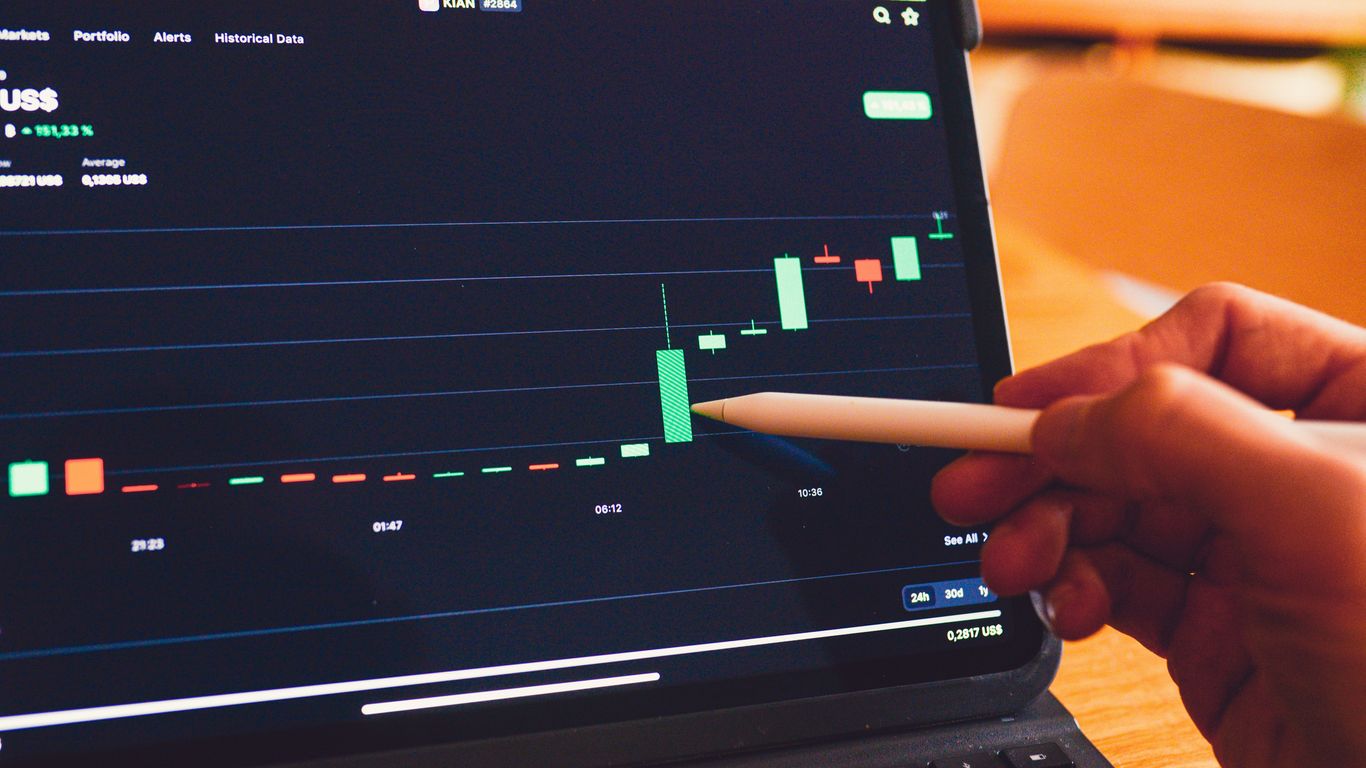
Getting ready before the market opens is a big deal for traders. It’s like getting your gear together before a big game. You wouldn’t just run onto the field without checking your equipment, right? Trading is similar. Taking time to prepare means you’re not scrambling when the bell rings.
Morning Routine for Mental Readiness
Starting your day right can really set the tone. Before you even look at a chart, do something that clears your head. This could be a short walk outside, some light stretching, or even just a few minutes of quiet reflection. The goal is to get your mind focused and calm, not already stressed about potential trades. Think of it as a mental warm-up. A good morning routine helps you approach the market with a clear head, making better decisions.
- Light exercise (a brisk walk or some yoga)
- Mindfulness or meditation (even 5 minutes helps)
- Reviewing your personal goals for the day (not just trading goals)
A calm mind is a trader’s best asset. Don’t underestimate the power of a peaceful start to your day.
Market Analysis and Watchlist Creation
Once you’re mentally prepped, it’s time to look at the markets. This isn’t about making trades yet; it’s about understanding what’s happening. Check overnight news that might affect prices. Look at how major global markets performed. Then, start building your watchlist. This is a list of stocks or options you’re interested in, based on your trading strategy. Don’t make it too long; focus on a few that really fit your criteria.
Here’s a simple way to think about building your watchlist:
- Scan for opportunities: Look for assets that show potential based on your strategy (e.g., specific chart patterns, news catalysts).
- Filter based on criteria: Apply your rules to narrow down the list. If you trade only tech stocks, filter out others.
- Prioritize: Rank your watchlist items. Which ones are the strongest setups for today?
Setting Entry and Exit Points
For each item on your watchlist, you need to know where you want to get in and where you plan to get out. This is where your trading strategy really comes into play. Identify key price levels – support and resistance areas are super important here. These levels can give you clues about where a stock might turn around or break through. Having these levels marked on your charts before the market opens helps you react quickly and decisively when a trade opportunity arises. It stops you from making impulsive decisions based on the heat of the moment.
- Define Entry Triggers: What specific price action or condition will signal you to enter a trade?
- Set Profit Targets: Where do you aim to take profits? This should be based on your analysis, not just a random number.
- Establish Stop-Loss Levels: This is critical. Decide in advance the price at which you’ll exit if the trade goes against you to limit losses. This is non-negotiable for risk management.
By doing this prep work, you’re not just hoping for good trades; you’re actively setting yourself up for them.
Executing Trades with Discipline
Alright, so you’ve done your homework, you’ve got your plan, and now it’s time to actually put some money on the line. This is where the rubber meets the road, and honestly, it’s where a lot of folks stumble. Sticking to your guns, even when the market’s doing its best to mess with your head, is the name of the game. It’s not about being a robot, but it is about having a system and actually following it.
Understanding Market Conditions
Before you even think about clicking ‘buy’ or ‘sell’, you gotta know what the market’s up to. Is it a raging bull, a sleepy bear, or just kind of sideways? This isn’t just for fun; it directly impacts how your trades might play out. For instance, trying to catch a falling knife in a down-trending market is usually a bad idea, right? You want to see if the conditions actually line up with what your strategy is designed for. Checking out the weekly options income calendar can give you a good sense of the broader market environment you’re stepping into.
Identifying Price Action Signals
This is where you look at the charts and see what the price itself is telling you. Forget all the fancy indicators for a second; sometimes, the simplest patterns are the most telling. Are you seeing a clear reversal pattern at a key support level? Or maybe a strong breakout with good volume? These are the visual cues that can confirm your strategy or give you a heads-up that maybe now isn’t the best time to jump in. It’s about reading the story the price is writing.
Implementing Risk Management Rules
This is probably the most important part, and it’s non-negotiable. You absolutely have to know how much you’re willing to lose before you even enter a trade. This isn’t just a suggestion; it’s your financial safety net. Setting stop-loss orders is a must. Think of it like this:
- Define your maximum loss per trade: This should be a small, manageable percentage of your trading capital.
- Set your stop-loss order: Place it at a price level that, if hit, means the trade isn’t working out as planned.
- Determine your profit target: Know when you’re going to take some profits off the table. Don’t get greedy!
Without a solid risk management plan, you’re essentially gambling. You might get lucky a few times, but eventually, a bad trade will wipe out all your previous wins and then some. Discipline here means respecting your rules, even if a trade is moving against you and you feel tempted to ‘just wait it out’.
Remember, the goal isn’t to win every trade, but to make sure that when you lose, it’s a small, controlled loss, and when you win, it’s a significant gain. That’s how you build a trading account over time.
Post-Market Analysis and Review
Alright, so the market’s closed for the day. You’ve placed your trades, hopefully made some good decisions, and now it’s time for the really important part that a lot of people skip: looking back at what just happened. This isn’t about dwelling on losses or getting too giddy about wins; it’s about learning.
Reviewing Daily Trades and Performance
This is where you get real with yourself. Grab your notes, your charts, whatever you use to track your trades. Go through each one.
- What went right? Seriously, pinpoint the trades that worked out. Was it your strategy? Did you spot a specific price action signal? Maybe the market conditions were just perfect for your setup. Understanding why a trade was a winner is just as important as the win itself.
- What went wrong? Now for the tough part. Look at the trades that didn’t pan out. Did you jump in too early? Did you miss your exit? Did you get emotional and chase a trade? Be honest. Was it a strategy flaw, or did you just not follow your own rules?
- Did you stick to the plan? This is a big one. Did you enter and exit at the levels you set beforehand? Or did you get tempted to change things mid-trade? This is where discipline really shows.
It’s helpful to put this into a simple table. You don’t need anything fancy, just a way to see the data.
| Trade ID | Entry Price | Exit Price | P/L | Strategy Used | Notes (Why it worked/didn’t) |
|---|---|---|---|---|---|
| 1 | $10.50 | $12.00 | +$1.50 | Breakout | Followed plan perfectly |
| 2 | $5.20 | $4.80 | -$0.40 | Trend Following | Got out too early, market reversed |
| 3 | $25.00 | $23.50 | -$1.50 | Support Bounce | Deviated from exit plan |
The goal here isn’t to beat yourself up. It’s to gather information. Think of it like a scientist observing an experiment. You’re collecting data to understand what works and what doesn’t in your specific trading environment.
Updating Your Trading Journal
Your trading journal is your memory bank and your personal tutor. After reviewing your trades, jot down the key takeaways. Don’t just write "lost money." Be specific.
- Record the exact entry and exit points.
- Note the market conditions at the time of the trade.
- Write down the specific setup or signal that triggered the trade.
- Include your emotional state before, during, and after the trade.
- Summarize the lessons learned from both winning and losing trades.
This detailed record helps you spot patterns over time. Maybe you notice you consistently lose money on a certain type of setup, or perhaps you do really well in choppy markets. This kind of insight is pure gold for refining your approach.
Planning for the Next Trading Day
Don’t just close the laptop and forget about trading until tomorrow. Use the insights from your review to prepare for the next session.
- Update your watchlist: Based on today’s price action and any news, which stocks or options should be on your radar for tomorrow? Add or remove them as needed.
- Refine your strategy: Did today’s review reveal any weaknesses in your strategy? Make small adjustments if necessary, but avoid drastic changes based on just one day’s results.
- Set preliminary levels: For the key assets on your watchlist, mark potential support and resistance levels, and think about possible entry and exit points. This gives you a head start when the market opens.
This proactive planning is what separates consistent traders from those who just react to the market. It means you’re not scrambling when the opening bell rings; you’re ready to execute a plan.
By consistently going through this post-market routine, you build a solid foundation for continuous improvement. It’s the engine that drives your trading forward, day after day.
Building Long-Term Trading Habits
Turning your daily trading actions into habits that stick is how you really build a foundation for success in the markets. It’s not just about catching the right trades; it’s about creating a lifestyle that supports you over the long haul. This means being consistent, but also knowing when to adjust your approach.
The Importance of Consistency
Consistency is king, plain and simple. When you follow a set schedule day in and day out, you build discipline. This cuts down on those impulsive, emotional decisions that can really hurt your portfolio. Think about setting specific times for your market analysis, your actual trading, and your review sessions. Over time, these actions become second nature. You start each day with a clear head, ready to go.
- Set a Schedule: Designate specific times for pre-market prep, trading, and post-market review.
- Stick to Your Plan: Don’t deviate from your trading strategy, even when the market gets wild.
- Regular Practice: Consistent execution builds muscle memory and reduces errors.
Building habits takes time and effort. Don’t get discouraged if you don’t see results immediately. Keep showing up, and the progress will come.
Adapting Your Routine as Markets Evolve
While consistency is key, being adaptable is just as important. The market is always changing, so your routine needs to be flexible too. Sticking too rigidly to a plan can backfire if conditions shift significantly. You need to be willing to tweak your approach based on your experiences and how the market is behaving. If a certain method isn’t working anymore, don’t be afraid to change it up. Regularly looking at your trades and strategies helps you refine your process. This flexibility keeps you sharp and prevents you from getting stuck in a rut. It’s about finding that sweet spot between discipline and agility, much like how experienced traders manage their weekly options income goals.
Tracking Progress and Staying Motivated
Keeping tabs on your progress is vital for staying motivated. Seeing how far you’ve come can be a huge boost. It also helps you identify what’s working and what’s not, so you can make adjustments. Remember why you started trading in the first place. What are your goals? Keep those in mind. Sometimes, just talking to other traders can give you a fresh perspective and keep your spirits up. It’s a marathon, not a sprint, and having a support system can make all the difference.
Integrating Stress Management and Self-Care

Look, trading options can get pretty intense. It’s not just about watching charts all day; it’s about managing your own reactions to what the market’s doing. If you’re not careful, the stress can really pile up, leading to bad calls and burnout. That’s why building in ways to handle stress and take care of yourself isn’t just a nice-to-have, it’s a must-have for sticking around in this game long-term.
Scheduled Breaks During Trading Hours
It sounds simple, but actually stepping away from the screen is harder than it looks. You get caught up watching a stock move, thinking you need to be there every second. But honestly, those quick breaks can make a huge difference. Think of it like this:
- Set a Timer: Seriously, use your phone or computer. Aim for a 5-10 minute break every hour or so. It doesn’t sound like much, but it’s enough time to stand up, stretch, grab some water, or just look out the window.
- No Screens Allowed: During these breaks, try your best to avoid looking at any screens – phone, tablet, anything. Give your eyes and your brain a real rest.
- Move Around: Even just walking around your room or doing a few jumping jacks can get your blood flowing and clear your head. It helps shake off that feeling of being glued to your chair.
Physical Activity and Well-being
Your body and mind are connected, right? If you’re feeling sluggish or run down, your trading decisions are probably going to suffer. Making time for some physical activity, even if it’s not a full gym session, can really help.
- Morning Movement: A short walk or some light stretching before the market opens can set a positive tone for the day. It gets you awake and focused.
- Midday Recharge: If you have a lull in trading activity, use that time for a quick walk outside. Fresh air and a change of scenery can do wonders.
- Evening Wind-Down: Don’t just crash on the couch after trading. A bit of exercise in the evening can help you de-stress from the day’s trading and prepare for better sleep.
Mindful Approaches to Trading Stress
Sometimes, it’s not about what you do physically, but how you approach the mental side of things. Trading can trigger a lot of emotions – fear, greed, frustration. Learning to manage these feelings is key.
Being aware of your emotional state during trading is half the battle. When you feel that tension rising, take a moment. A few deep breaths can actually calm your nervous system. It’s not about eliminating stress entirely, but about developing a healthier relationship with it so it doesn’t control your trading decisions.
- Deep Breathing: When you notice yourself getting anxious about a trade, stop and take 3-5 slow, deep breaths. Inhale through your nose, exhale through your mouth.
- Acknowledge, Don’t Fight: Recognize the emotion you’re feeling (e.g., ‘I’m feeling anxious about this position’). Don’t try to push it away, just notice it. This often reduces its power.
- Focus on Process: Remind yourself that you followed your trading plan. The outcome of any single trade is less important than consistently executing your strategy. This shift in focus can reduce pressure.
Taking care of yourself is just as important as any other task. When you manage stress and practice self-care, you build a stronger foundation for everything else you do. It’s about finding simple ways to recharge your batteries so you can handle life’s challenges better. Ready to discover how to make self-care a regular part of your routine? Visit our website for easy tips and strategies.
Wrapping It Up
So, building a solid routine for options trading isn’t just about looking at charts all day. It’s about creating a system that works for you, day in and day out. Remember, consistency is key, but so is being able to adjust when the market throws you a curveball. Don’t forget to take care of yourself too – trading can be intense, and a little self-care goes a long way. Stick with it, keep learning, and you’ll be well on your way to making smarter trading decisions.
Frequently Asked Questions
Why is having a daily routine important for options trading?
Having a daily routine is like having a map for your trading journey. It helps you stay organized and focused, so you don’t make rushed or emotional choices. Think of it as setting up a game plan before you start playing, which makes it easier to make smart moves and avoid big mistakes.
What should I do before the market opens each day?
Before the market opens, it’s smart to get your mind ready and check the latest news. Look at how the market is doing overnight and what experts are saying. Also, make a list of stocks or options you’re interested in and decide where you’ll buy and sell them. This preparation helps you trade with a clear plan.
How do I actually make trades during the day?
When you trade, pay close attention to how prices are moving and what the overall market feels like. Use the signals you learned about and always stick to your plan for buying and selling. Most importantly, never risk more money than you’re okay with losing on any single trade.
What should I do after the market closes?
After the market closes, take time to look back at how your trades went. See what worked well and what didn’t. Write down what you learned in a trading journal. This helps you understand your mistakes and plan better for the next day.
How can I make my trading routine a habit that lasts?
To make your routine stick, be consistent every single day. Stick to your plan even when things get a little crazy in the market. Also, be ready to change your routine if the market changes. Keep track of your progress and remember why you started trading to stay motivated.
How can I manage stress while trading options?
Trading can be stressful! Taking short breaks during the day helps a lot. Doing things like light exercise or meditation can keep you calm and focused. Eating healthy and staying hydrated also helps your brain work better. Remember to take care of yourself outside of trading too.