
Finding good trades can be tough, right? You’re looking for ways to make some extra cash from options, and there are so many things to watch. That’s where a weekly options scanner comes in handy. Think of it like a super-smart assistant that sifts through the market for you, looking for setups that fit what you’re after. Instead of staring at charts all day, these tools do the heavy lifting, showing you potential opportunities for income trades. We’ll look at how these scanners work, what to look for when picking one, and how to actually use them to find trades like covered calls or put selling.
Key Takeaways
- A weekly options scanner helps find income trade setups by filtering market data based on your criteria.
- Key features to look for include customizable strategy screening, real-time data, and alerts.
- When choosing a scanner, consider its performance, how easy it is to use, and its price.
- Scanners can be used to find specific income trades like covered calls and put selling opportunities.
- Advanced scanners offer features like unusual activity detection and AI-driven insights to improve trade selection.
Leveraging Weekly Options Scanner Tools
Understanding the Core Functionality
So, you’re looking to get into weekly options for income, huh? That’s a smart move, but trying to find the right trades by hand? Forget about it. That’s where option scanners come in. Think of them like a super-powered radar for the options market. They sift through tons of data way faster than any human could, looking for specific patterns or conditions that you tell them to find. These tools are designed to cut through the noise and highlight potential opportunities. They don’t just look at stock prices; they analyze things like implied volatility, open interest, and trading volume to give you a clearer picture. It’s all about finding those high-probability setups that fit your income-generating strategy. Without a scanner, you’re basically flying blind.
Identifying High-Probability Setups
Okay, so how do these scanners actually help you find good trades? Well, they’re programmed with specific criteria. You might tell it to look for stocks with high implied volatility that are also showing signs of stability, making them good candidates for selling puts. Or maybe you want to find stocks that are trading near support levels, perfect for selling covered calls. The scanner will then spit out a list of options that meet your exact requirements. It’s like having a personal assistant who’s constantly watching the market for you. You can set up scans for strategies like selling cash-secured puts or covered calls, and the scanner will present you with the best available contracts. It really streamlines the process of finding trades that have a better chance of working out.
Integrating Scanners into Your Workflow
Getting a scanner is just the first step; you actually have to use it. The best way to do this is to make it a regular part of your trading routine. Maybe you check your scans first thing in the morning before the market opens, or perhaps you review them during your lunch break. Some traders even set up alerts so the scanner notifies them when a new opportunity pops up. It’s important to have a consistent process: scan, analyze, and then trade. You can even use tools like BlackBoxStocks to help automate parts of this process. The key is to find a rhythm that works for you and stick to it. Don’t just let the scanner sit there collecting digital dust; make it an active part of how you find and execute your trades.
Key Features of Advanced Scanners
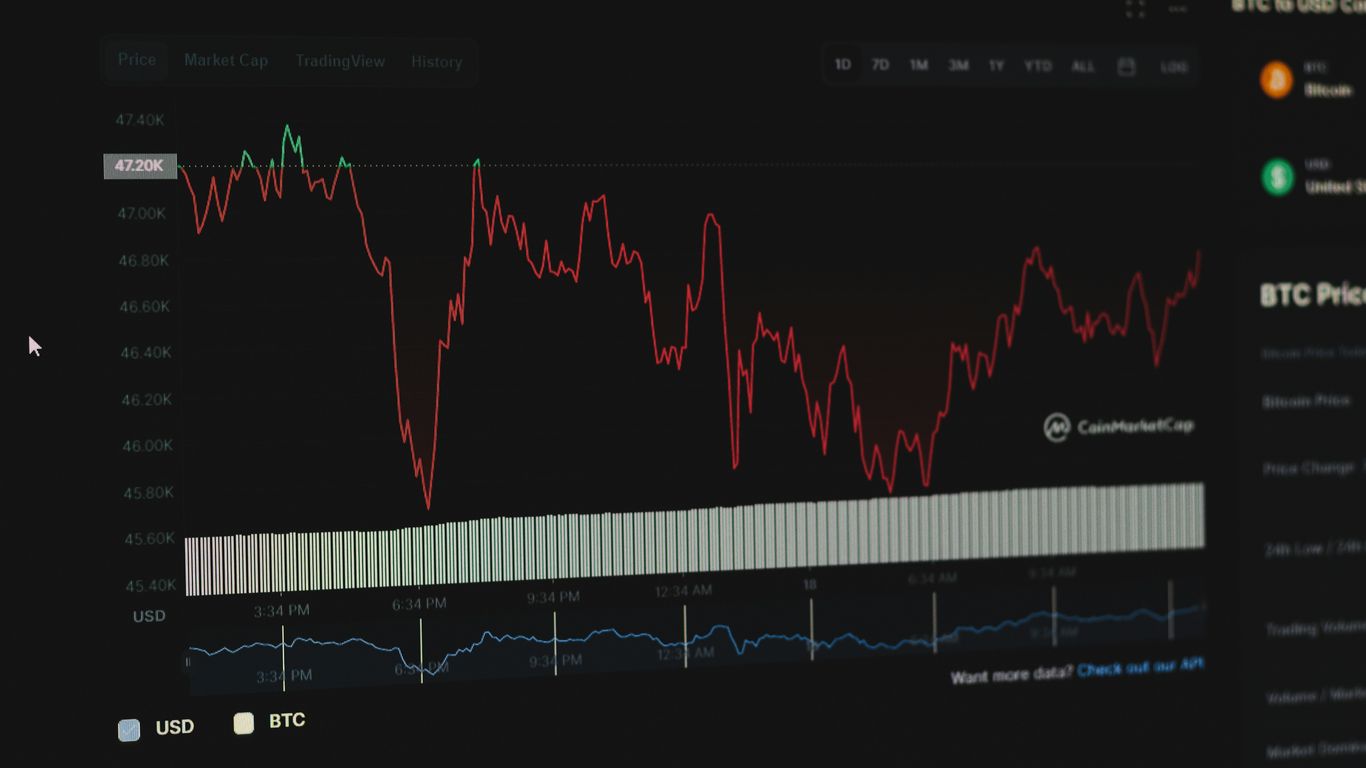
Customizable Strategy Screening
Advanced options scanners go way beyond just filtering for basic criteria. They let you build your own screens, which is pretty neat. You can set up specific parameters for strategies you like, whether it’s covered calls, iron condors, or even more complex multi-leg plays. Think of it like having a custom recipe for finding trades. You can define things like expiration dates, strike price differences, and even specific risk/reward profiles. This level of detail means you’re not just looking for any trade, but for trades that fit your exact trading plan. Some platforms even let you scan for up to 5 legs, combining stocks and options, giving you a lot of flexibility.
Implied Volatility Analysis Tools
Understanding implied volatility (IV) is a big deal in options trading, and good scanners make it easier. They often include tools to show you the IV rank, which compares current IV to its historical range. This helps you see if IV is high or low relative to where it’s been. You might also find features that compare IV to realized volatility, giving you another angle on whether options are potentially over or underpriced. These tools are super helpful for finding opportunities where you might be able to sell options at a premium or buy them at a discount. It’s all about getting a feel for the market’s expectations.
Real-Time Data and Alerts
Nobody wants to trade on old news, right? Advanced scanners provide real-time data for thousands of symbols. This means you’re seeing the market as it happens, which is pretty important when prices can change in seconds. On top of that, many scanners offer alert systems. You can set up notifications for when a scan finds a setup that matches your criteria. This saves you from having to stare at the screen all day. You can get alerts sent directly to your email or phone, letting you know when a potential trade pops up. Some platforms even integrate with tools like Excel or Google Sheets, so you can pull the scanner data right into your own spreadsheets for further analysis or tracking. This kind of integration can really streamline your workflow and help you make better decisions.
Here’s a quick look at what you might find:
- Customizable Filters: Set your own rules for strikes, expirations, and strategy types.
- IV Metrics: IV Rank, IV vs. Realized Volatility, historical IV charts.
- Alerts: Get notified instantly when a scan hits your criteria.
- Data Integration: Connect scanner data to your preferred analysis tools.
The ability to tailor scans to your specific needs and receive timely alerts transforms a passive search into an active opportunity-finding process. It’s about working smarter, not just harder, in the options market.
Selecting the Right Weekly Options Scanner
Picking the right scanner feels like choosing a tool for a specific job. You wouldn’t use a hammer to screw in a bolt, right? The same goes for options scanners. There are tons of them out there, and they all promise the moon, but what really matters is how well they fit your trading style and what you’re trying to achieve. It’s not just about finding any trade; it’s about finding the right trade for you.
Evaluating Scanner Performance Metrics
When you’re looking at scanners, don’t just take their word for it. You need to see what kind of data they’re actually spitting out and how reliable it is. Think about things like:
- Data Freshness: How often is the data updated? For weekly options, real-time or near real-time data is pretty important. You don’t want to be looking at information that’s hours old.
- Accuracy: Does the scanner’s data line up with other sources you trust? A quick cross-check can save you a lot of headaches.
- Speed: How fast does the scanner return results? If you’re trying to catch a quick move, waiting minutes for a scan isn’t going to cut it.
- Filter Depth: Can you really drill down into what you’re looking for? A scanner with only a few basic filters might not be specific enough for advanced income strategies.
A scanner’s performance isn’t just about how many trades it finds, but how relevant and timely those trades are to your specific income-generating goals. It’s about quality over sheer quantity.
Considering User Interface and Ease of Use
Let’s be honest, if a scanner looks like it was designed in the early 2000s and is a pain to figure out, you’re probably not going to use it, no matter how powerful it is. A good interface makes a huge difference.
- Intuitive Layout: Can you find what you need without a manual the size of a phone book?
- Customization Options: Can you arrange the dashboard or save your favorite scans so they’re ready to go?
- Learning Curve: How long does it take to get comfortable using the main features? Some platforms are designed for beginners, while others expect you to know your way around.
Assessing Pricing and Value Proposition
Scanners range from free (with limited features, usually) to pretty expensive. You need to figure out what you’re getting for your money.
- Subscription Tiers: Do they offer different levels of service? Maybe a basic plan is enough to start.
- Free Trials: Always take advantage of free trials. It’s the best way to test-drive a scanner before committing.
- Cost vs. Benefit: Does the price make sense compared to the potential edge or time savings it provides? If a scanner costs $100 a month but helps you find just one good trade that makes you $500, it’s probably worth it. If it costs $100 and you never find anything useful, then it’s not.
Ultimately, the best scanner is the one you’ll actually use consistently and that helps you find trades that align with your income strategy.
Utilizing Scanner Data for Income Trades
So, you’ve got your weekly options scanner fired up, and now you’re wondering how to actually use all that data to make some cash. It’s not just about finding any trade; it’s about finding the right trade for income. Scanners can really help cut through the noise, showing you potential opportunities you might have missed otherwise.
Scanning for Covered Call Opportunities
Covered calls are a popular way to generate income on stocks you already own. A scanner can help you find stocks that are good candidates. You’re looking for stocks that aren’t expected to make huge moves, maybe ones with a bit of implied volatility that you can sell a call against. Some scanners let you filter by things like:
- Stock price range: To match your portfolio size.
- Implied volatility (IV): Higher IV means a higher premium for your call.
- Delta of the call option: To aim for a specific probability of the option expiring worthless.
- Days to expiration (DTE): Focusing on weekly options means you’re looking at shorter DTEs, usually under 30 days.
The goal is to sell calls at a strike price above the current stock price, collect the premium, and hope the stock stays below that strike price until expiration. It’s a pretty straightforward income strategy, and scanners make finding the right setup much faster.
Identifying Undervalued Put Selling Candidates
Selling put options can also be a great income strategy, especially if you’re willing to buy the stock at a lower price. Scanners can help you spot situations where the market might be overestimating downside risk, making put premiums more attractive. You’d want to look for:
- Stocks with decent implied volatility.
- Companies with solid fundamentals that you wouldn’t mind owning.
- Put options with strikes below the current stock price.
Here’s a quick look at what you might filter for:
| Metric | Value Range |
|---|---|
| Implied Volatility (IV) | > 30% |
| Days to Expiration | 7-21 |
| Put Delta | 0.15 – 0.30 |
| Stock Support Level | Above strike price |
When selling puts, you’re essentially getting paid to wait. You collect the premium upfront, and if the stock stays above your strike price, you keep the premium. If it drops below, you might be assigned the stock, but at a price you were already comfortable with. It’s a way to get paid while looking for potential buying opportunities.
Leveraging Scanners for Spreads and Condors
For more complex income strategies like credit spreads or iron condors, scanners become even more powerful. These strategies involve selling options and buying others to limit your risk. Scanners can help you find:
- Pairs of options: Identifying the right strikes and expirations for both the sold and bought legs.
- Implied volatility skew: Some scanners can show you how IV differs between puts and calls, or across different strike prices, which is important for spread trading.
- Defined risk profiles: You can often set parameters for the maximum potential loss, helping you stick to your risk management rules.
Using a tool like an Equity Options Screener can be a game-changer here. It helps you sift through the vast number of potential spread combinations to find those that meet your specific income and risk criteria. It takes a bit more setup, but the potential for consistent income with defined risk is a big draw for many traders.
Advanced Scanner Applications
Beyond just finding basic option plays, advanced scanners can really dig into market activity and uncover some unique opportunities. Think of them as your high-tech detective tools for the options world.
Unusual Options Activity Detection
Sometimes, big money makes moves that stand out. Scanners can flag these unusual patterns, like a sudden surge in volume for a specific option contract or a large block trade that doesn’t fit normal trading behavior. This could signal that someone knows something or is positioning for a significant move. Spotting these anomalies early can give you an edge. It’s not a guarantee, but it’s definitely something worth investigating further.
Earnings Event-Driven Scans
Earnings reports are a big deal for stocks, and options activity often heats up around them. Scanners can be set up to look for specific conditions related to upcoming earnings. For example, you might scan for:
- Stocks with upcoming earnings announcements.
- Options contracts with unusually high implied volatility leading up to the event.
- Specific option strategies (like straddles or strangles) being bought or sold in size.
These scans help you identify potential opportunities or risks associated with earnings, whether you’re looking to trade the volatility crush after the report or bet on a specific direction.
Backtesting Scanner-Generated Ideas
This is where things get really interesting. Once a scanner points you to a potential trade setup, you don’t have to jump in blind. Many advanced tools allow you to backtest these ideas. This means you can see how that specific type of trade would have performed historically under similar market conditions. It’s a great way to refine your strategy and build confidence. You can test things like:
- The win rate of a particular setup.
- The average profit or loss per trade.
- How the strategy performs in different market environments (trending vs. range-bound).
This kind of analysis helps you move beyond just finding trades to understanding their potential and probability. It’s a smart way to use scanner data to improve your trading approach.
Using scanners for unusual activity or earnings can be powerful, but it’s not a magic bullet. Always combine scanner signals with your own research and risk management. The goal is to find better starting points for your analysis, not to replace it entirely.
Maximizing Your Trading Edge with Scanners
So, you’ve got a scanner, you’re finding setups, and maybe even pulling in some income. That’s great! But how do you go from just finding trades to really making your trading account sing? It’s all about digging deeper and using the scanner’s power to its fullest. Think of it like having a super-powered assistant who not only finds opportunities but also helps you understand why they’re good and how to make them even better.
The Role of Analytics in Scanner Tools
Most scanners do more than just spit out a list of stocks or options. They crunch numbers, and that’s where the real magic happens. You’ll find tools that show you implied volatility (IV) versus historical volatility (HV), or IV rank and percentile. These metrics tell you if options are relatively cheap or expensive right now. For income trades, especially selling options, you want to sell when IV is high, meaning you collect more premium. A scanner that highlights these conditions can be a game-changer. It’s not just about finding a stock with a certain price; it’s about finding an option on that stock that’s priced attractively for your strategy. Some platforms even offer proprietary calculations, like theoretical edge percentages, to help you quantify the potential advantage of a trade. This kind of data helps you move beyond gut feelings and make more informed decisions.
AI-Powered Insights for Trade Selection
Artificial intelligence is starting to creep into these tools, and it’s pretty interesting. Instead of just filtering based on static rules, AI can look for patterns that humans might miss. It can analyze market sentiment, predict volatility shifts, or even suggest optimal strike prices and expirations based on historical data and current market conditions. Imagine a scanner that doesn’t just show you a covered call candidate, but suggests the best strike price to sell the call based on AI analysis of the underlying stock’s recent price action and volatility. These AI features are still developing, but they hold the promise of making trade selection faster and potentially more accurate. It’s like having a seasoned trader whispering suggestions in your ear, but based on massive amounts of data. For those looking to refine their approach, exploring platforms that incorporate these AI trading strategy platforms could be a smart move.
Integrating Scanners with Brokerage Platforms
Okay, so you’ve found a fantastic trade idea using your scanner. What’s next? The best scanners don’t just stop at giving you the idea; they help you act on it. Some platforms offer direct integration with your brokerage account. This means you can often send the trade directly from the scanner to your broker’s order entry system with just a few clicks. This saves a ton of time and, more importantly, reduces the chance of errors when manually entering order details. Think about it: you find a put selling candidate, confirm the details in the scanner, and then with one click, the order is pre-filled in your brokerage platform, ready for you to review and execute. This streamlined workflow is key to consistently taking advantage of opportunities, especially when the market is moving fast. Some tools even allow you to export data to spreadsheets like Excel or Google Sheets, letting you combine scanner insights with your own custom analysis or trade logs.
Want to get ahead in trading? Using tools that help you spot opportunities quickly is key. These tools, often called scanners, can show you what’s happening in the market right now. Learning how to use them well can give you an advantage. Ready to find out more? Visit our website to learn how to use these powerful tools and boost your trading game!
Wrapping It Up
So, we’ve looked at a bunch of tools that can help you find options trades. Whether you’re just starting out and need something simple like Option Samurai, or you’re a seasoned pro who wants all the bells and whistles from something like ORATS, there’s definitely something out there for you. These scanners can really help you cut through the noise and spot opportunities you might have missed otherwise. Remember to try out a few, see what fits your style, and happy trading!
Frequently Asked Questions
Who should use these option scanner tools?
These tools are great for traders who already have money in their trading accounts and are allowed to trade options. You can look for specific types of trades, so even if you can’t do one kind of trade, you can easily find others that work for you.
What exactly is an option scanner?
Think of an option scanner like a special radar for the stock market. It looks through tons of information really fast and shows you the trades that match what you’re looking for. It uses live data to help you find the best opportunities before others do.
What kinds of option trades can these scanners find?
These scanners can help you find many different types of option trades. Some popular ones include covered calls (selling a call option when you own the stock), put selling (selling a put option), and various spread strategies like iron condors, which involve buying and selling multiple options at once.
Can I create my own search rules for the scanner?
Yes, most advanced scanners let you create your own rules. You can set specific things you want to look for, like certain price levels, how much the stock’s price usually moves, or how likely a trade is to be profitable. This helps you find trades that fit your personal plan.
How do these scanners help with making income from options?
Scanners are super helpful for income trading. They can point out stocks that are good for selling covered calls, or ones where selling put options might be a smart move to potentially buy the stock cheaper or collect money. They can also help find opportunities for more complex income strategies.
Do I need to be an expert to use these tools?
Not at all! While some tools have really advanced features for pros, many scanners are designed to be easy to use, even for beginners. They often have ready-made scans for common strategies, and you can learn to use the more complex features over time as you get more comfortable.