
Options trading can seem like a maze at first glance. You’ve got your call options, your put options, and a whole bunch of terms that might leave you scratching your head. But don’t worry, it’s not as complicated as it seems. At its core, options trading is about making bets on whether the market will go up or down. Call options give you the right to buy stocks at a set price, while put options let you sell at a set price. Knowing when and why to use each can be a game-changer for your investment strategy.
Key Takeaways
- Call options let you buy stocks at a fixed price, hoping the price will rise.
- Put options allow you to sell stocks at a fixed price, betting on a price drop.
- Understanding the market outlook is crucial for choosing between call and put options.
- Time decay and volatility are key factors that affect option pricing.
- Beginners should start by learning the basics and using practice accounts to gain experience.
Understanding Call Options

Definition and Basic Mechanics
Call options are like a ticket to potentially buy a stock at a fixed price—known as the strike price—before a certain date. Imagine you’re eyeing a stock, hoping its market price will climb above your strike price. If it does, you’ve got a winning ticket. You can buy the stock cheaper than the market price, and that’s where the profit comes in. If the market price is lower or the same as your strike price, well, your ticket might not be worth much, and you might let it expire.
When to Buy Call Options
So, when’s the right time to snag a call option? If you believe a stock’s price is going to shoot up, buying a call option could be your move. It’s a way to get more bang for your buck, giving you leverage like borrowing money to buy stock without actually borrowing. But remember, if the stock dips, your losses could be steeper compared to just buying the stock outright.
- Hedge Your Bets: Use call options to manage risk if you’re worried about potential losses in your existing investments.
- Speculate for Gains: If you think a stock’s price will rise, call options offer a way to profit without buying the stock directly.
- Limited Losses: The most you can lose is what you paid for the option, unlike stocks where losses can be much larger.
Risks and Rewards of Call Options
Call options can be exciting, but they aren’t without their pitfalls. If the stock doesn’t move in your favor, you lose the premium you paid. On the flip side, if the stock price rockets up, your potential gains can be substantial.
Options are financial contracts that provide the holder with the right to buy or sell a financial instrument at a predetermined price within a specified timeframe. Learn more about options.
Here’s a quick look at the situation:
| Scenario | Outcome |
|---|---|
| Stock price > Strike price | Exercise option and buy at lower price |
| Stock price = Strike price | Option is at the money, no profit or loss |
| Stock price < Strike price | Option expires worthless, lose premium |
In a nutshell, call options can be a powerful tool in the world of investing, offering a way to capitalize on price movements without the need to buy stocks outright. But as with any investment, understanding the risks and rewards is key.
Exploring Put Options
Definition and Basic Mechanics
A put option gives you the right to sell a stock at a set price, known as the strike price, before the option expires. This is useful if you think the stock’s price will drop. The main goal is to sell the stock at a higher price than the market value. You pay a premium for this right, and if the market price falls below the strike price, your put option is "in the money," meaning it’s profitable.
When to Buy Put Options
Buying put options can be a smart move if you’re worried about a stock’s price dropping. It’s like insurance for your portfolio. If you own shares and expect the market to dip, a put option can limit your losses. Here’s when you might consider buying a put option:
- You anticipate a decline in the stock market.
- You want to hedge against potential losses on stocks you own.
- You’re speculating on a downturn in a specific stock or market.
Risks and Rewards of Put Options
Put options come with their own set of pros and cons. On the plus side, they can protect against falling prices and even generate profit if the market price drops below the strike price. However, the premium for put options is generally higher than for call options, and you risk losing this premium if the stock price stays the same or rises. Selling put options can generate income through premiums, but also carries the risk of substantial losses if the market moves against you.
Put options can be a powerful tool for managing risk, but they require careful consideration of market conditions and potential outcomes.
For those interested in more active trading strategies, day trading options can be a path to explore, though it demands a solid understanding of market dynamics and risk management.
Key Differences Between Call and Put Options

Rights and Obligations
When it comes to options, the main difference is the rights and obligations they confer. A call option gives you the right to buy an asset at a set price, while a put option lets you sell at a set price. If you’re holding a call, you can "call" the asset to yourself. With a put, you can "put" the asset back on the market. On the flip side, if you sell a call option, you’re obliged to sell the asset if the buyer exercises the option. Selling a put means you might have to buy the asset if the buyer decides to go through with it.
Market Outlook Implications
Options are a peek into market sentiment. Investors often use them to predict stock price movements. The put-to-call ratio (PCR) is a handy tool here. It’s calculated by dividing the number of put options by call options. A PCR greater than 1 suggests a bearish market sentiment, meaning folks expect prices to drop. A PCR less than 1 indicates bullish sentiment, where the market is expected to rise. Investors use call options to profit from anticipated stock price increases, while put options are purchased when a decline in stock price is expected.
Factors Influencing Option Prices
Option prices aren’t just about the stock price. They’re influenced by several factors, including the underlying asset’s price, time decay, and volatility. As the asset price changes, so does the option’s value. Time decay is a tricky one—it means as an option nears its expiration, it loses value. Volatility, on the other hand, can increase an option’s price. If a stock’s price is expected to swing wildly, the option becomes more expensive, as there’s a greater chance it’ll end up in the money.
Understanding these differences is crucial for anyone looking to trade options. It’s not just about picking the right one, but knowing how each works and what factors can sway their value.
Strategies for Trading Call and Put Options
Buying Call Options vs. Buying Put Options
When traders are optimistic about a stock, they often opt for buying call options. This strategy can offer significant returns if the stock price soars above the strike price by expiration. However, the risk is losing the entire premium paid if the stock doesn’t perform as expected. On the flip side, buying put options is a common choice for those betting against a stock. While short selling can lead to unlimited losses, put options cap the risk at the premium paid.
Writing Call Options vs. Writing Put Options
Writing options is a more complex game. When writing call options, especially covered calls, traders aim to earn a premium while holding the underlying stock. If the stock stays below the strike price, the call expires worthless, and the premium is pure profit. Writing naked calls, however, can be risky if the stock price rises sharply. For put options, writing them means betting that the stock won’t drop below the strike price. If it does, the writer might have to buy the stock at a higher price than the market.
Protective Put Strategy
A protective put acts like insurance for a stock you own. By purchasing a put option, you can safeguard against significant losses if the stock’s price falls. Should the stock rise, the put option may expire worthless, but the gains from the stock itself can offset this. This strategy is particularly handy in volatile markets, providing a safety net without having to sell the stock.
Factors Affecting Option Pricing
Impact of Underlying Asset Price
The price of the underlying asset is a big deal when it comes to options pricing. Think of it like this: if the asset’s price goes up, call options tend to get more expensive, while put options might drop in value. This relationship is often measured by something called Delta, which tells you how much the option’s price will change if the underlying asset moves by a dollar.
Role of Time Decay and Volatility
Time decay, or Theta, is like the ticking clock for options. As the expiration date gets closer, the option loses value—kind of like how a coupon loses its worth after the expiration date. Then there’s volatility, which is all about how much the asset price is expected to swing. More volatility usually means higher option prices because there’s a better chance of the option ending up profitable. Vega is the term that measures how much an option’s price changes with volatility.
Understanding the Put-to-Call Ratio
The put-to-call ratio is a neat little tool that traders use to get a feel for market sentiment. It’s calculated by dividing the number of traded put options by the number of traded call options. A ratio above 1 suggests more puts than calls, hinting at a bearish market sentiment. Conversely, a ratio below 1 indicates more calls, suggesting a bullish outlook. This ratio can be a simple yet effective way to gauge how traders are feeling about market trends.
Risks and Considerations in Options Trading
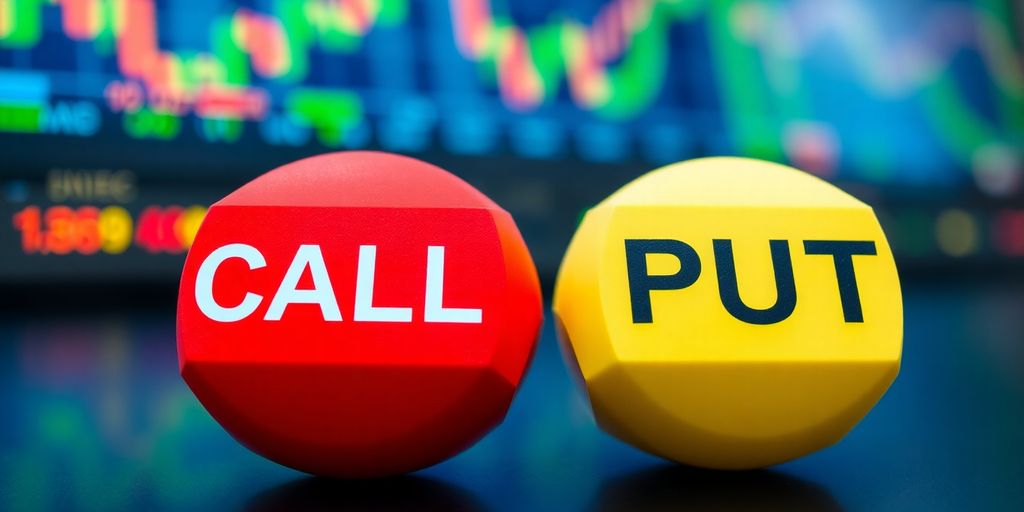
Comparing Risks of Call and Put Options
When diving into options trading, understanding the risks associated with call and put options is essential. Buying options generally limits risk to the premium paid, while selling options can expose you to significant losses. With call options, the risk is mainly when the market price rises beyond expectations, potentially leading to unlimited losses if you’re selling. For put options, the danger lies in the market price dropping significantly, obligating the seller to purchase the asset at a higher price than its market value.
Evaluating Market Conditions
Before stepping into the world of options trading, it’s vital to assess the current market conditions. Are you expecting a bullish or bearish trend? Market volatility plays a crucial role in determining option prices and potential returns. Traders should consider economic indicators, geopolitical events, and market sentiment to better predict future market movements.
- Analyze economic data: Keep an eye on inflation rates, employment figures, and GDP growth.
- Watch geopolitical events: Political instability or international conflicts can sway markets.
- Gauge market sentiment: Look at investor confidence and market trends.
Risk Management Techniques
Effective risk management is key to surviving in options trading. Here are a few strategies to consider:
- Diversification: Spread your investments across different assets to reduce risk.
- Hedging: Use options to hedge against potential losses in your portfolio.
- Setting Limits: Establish stop-loss orders to minimize losses.
Trading options isn’t just about potential gains; it’s about managing risks smartly. Always remember to only trade with money you can afford to lose.
For a more comprehensive understanding, explore the eight critical risks associated with options trading, such as leverage and time decay, to make informed decisions.
Options Trading Basics for Beginners
Understanding Options Terminology
Jumping into options trading can feel like learning a new language. Here are some key terms to get you started:
- Call Option: A contract that gives you the right to buy a stock at a set price before it expires.
- Put Option: A contract that gives you the right to sell a stock at a set price before it expires.
- Strike Price: The price at which you can buy (call) or sell (put) the stock.
- Premium: The price you pay for the option itself.
Evaluating Risk Tolerance
Before you start trading, it’s important to understand how much risk you’re comfortable taking. Options can be risky, so consider these factors:
- Financial Security: Make sure you’re in a stable place financially. Can you afford to lose the money you invest?
- Investment Goals: Are you looking for quick profits or long-term growth?
- Market Knowledge: Do you understand how the stock market works and how options fit into it?
Using Practice Accounts for Learning
Many platforms offer practice accounts, also known as paper trading accounts. These are great for beginners because:
- They let you trade without using real money, so you can learn without risk.
- You can test different strategies to see what works best for you.
- It’s a safe space to make mistakes and learn from them before putting real money on the line.
Tip: Before diving into real trading, consider using a practice account to refine your strategies and understand the market dynamics better.
Ready to start trading? First, open an account and decide if you’re buying or selling puts or calls. Make sure to choose a suitable strike price and timeframe for your trades.
If you’re new to options trading, it’s time to dive in! Our website offers free training that can help you understand the basics and start your journey toward financial freedom. Don’t miss out on this opportunity to learn and grow your trading skills. Visit us today and take the first step!
Wrapping It Up: Call vs. Put Options
So, there you have it. Call and put options are like two sides of the same coin, each with its own quirks and perks. Calls give you the chance to buy stocks at a set price, hoping they go up, while puts let you sell stocks at a set price, betting they’ll drop. It’s all about predicting which way the market will swing. But remember, options trading isn’t a walk in the park. It’s risky, and you could lose what you put in. If you’re thinking about diving into this world, maybe chat with a financial pro first. They can help you figure out if it’s the right move for you. At the end of the day, whether you’re buying calls or puts, it’s all about making informed choices and understanding the risks involved. Happy trading!
Frequently Asked Questions
What is a call option?
A call option is a contract that gives you the right to buy a stock at a certain price before it expires. You pay a fee for this contract, hoping the stock price goes up.
What is a put option?
A put option is a contract that lets you sell a stock at a set price before the contract expires. You buy this hoping the stock price goes down.
How do call options make money?
Call options make money when the stock price goes above the strike price plus the fee you paid. You can then sell the contract or buy the stock cheap and sell it at a higher market price.
How do put options make money?
Put options make money when the stock price falls below the strike price. You can sell the stock at the higher strike price or sell the option itself for a profit.
Are options risky?
Yes, options can be risky. You might lose the fee you paid if the stock doesn’t move as you expected. But your risk is limited to the fee if you’re buying options.
What’s the difference between buying and selling options?
Buying options limits your risk to the fee paid, while selling options can be riskier because you might have to buy or sell stocks at unfavorable prices.