
Earnings season can feel like a rollercoaster, right? One minute a stock is soaring, the next it’s plummeting. For folks trading options, this period is a big deal. It’s when companies spill the beans on their financial performance, and the market often goes wild. This guide is all about understanding how to use earnings season option trades to your advantage, whether you’re looking to grab some income or just trying to make sense of the chaos.
Key Takeaways
- Earnings season is when companies report their financial results, and these reports can cause big swings in stock prices, making it a busy time for traders.
- Options offer different ways to play earnings, from betting on price increases or decreases to profiting from expected volatility or generating income.
- Strategies like buying straddles or selling credit spreads can be used, but it’s important to know the risks and how they work.
- Having a solid plan before earnings season starts, including research and knowing when to enter and exit trades, is super important.
- Managing your money carefully, understanding how options behave, and not overtrading are key to surviving and possibly profiting during these volatile times.
Understanding Earnings Season Dynamics
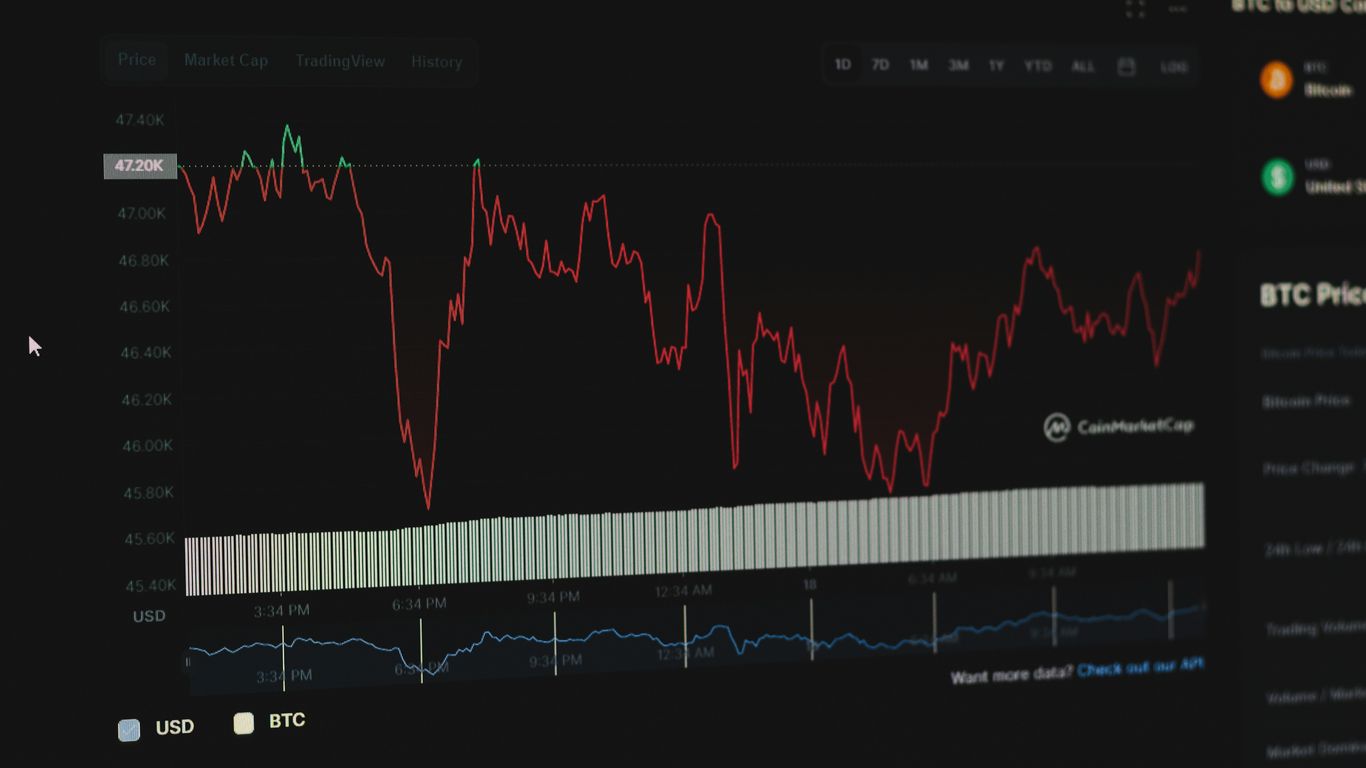
Earnings season. It’s that time of year, four times to be exact, when companies spill the beans on how they’ve been doing financially over the last three months. Think of it as a report card for businesses. These reports can really shake things up in the stock market, causing prices to jump or drop pretty dramatically. It’s a period that gets a lot of attention from investors and traders because of this potential for big moves.
The Significance of Quarterly Earnings Reports
These quarterly reports are more than just a bunch of numbers; they give us a look at a company’s health. They show how well the business is running and what its future might hold. The information within these reports can directly influence stock prices, making them a key event to watch. It’s not just about the past performance, either. Companies often provide guidance, which is their best guess about how they’ll do in the next quarter or even the year ahead. This forward-looking statement can be just as, if not more, important than the historical results.
Key Metrics Within An Earnings Report
When you look at an earnings report, there are a few things that stand out. You’ll see:
- Earnings Per Share (EPS): This tells you how much profit a company made for each share of its stock. It’s a common way to gauge profitability.
- Revenue: This is the total money a company brought in from selling its products or services. It’s the top line, showing the scale of the business.
- Profit Margins: These show what percentage of revenue actually turned into profit after all expenses were paid. Higher margins generally mean a more efficient company.
- Guidance: As mentioned, this is the company’s forecast for future performance. It’s a big deal for how investors see the company’s prospects.
Market Reactions To Earnings Surprises
What really gets the market buzzing is when a company’s results are different from what most people expected. This is called an earnings surprise. If a company reports better-than-expected EPS or revenue, its stock price might shoot up. On the flip side, if it misses the mark, the stock could fall. Sometimes, the market reaction doesn’t seem to make sense at first glance. For example, a company might beat its earnings estimates but still see its stock price drop. This often happens if the company’s guidance for the future is weaker than anticipated, or if the market was already expecting a much bigger beat. Understanding these dynamics is key to figuring out how to trade around these events. You can find tools to help screen for companies with strong option volume and upcoming earnings to get started with earnings season strategies.
The market’s reaction isn’t always straightforward. Sometimes, the news itself is less important than how it compares to the collective expectation. It’s like going into a test knowing you’ll probably get a B, and then getting a B+ – good, but not exactly a shocker. But if everyone thought you’d get a D and you pull off a B, that’s a surprise.
Core Options Strategies For Earnings Plays
Earnings season can feel like a rollercoaster, right? Companies drop their reports, and suddenly, stock prices can jump or dive. For us option traders, this means opportunities, but also some serious risk if we’re not careful. The key is picking the right strategy that fits what you think will happen.
Profiting From Anticipated Price Swings
If you’ve got a hunch about which way a stock is headed after earnings, options can help you play that bet. Think the stock’s going to shoot up? Buying a call option is a straightforward way to profit from that upside. On the flip side, if you’re expecting a tumble, buying a put option lets you benefit from the price drop. It’s all about making a directional bet with defined risk. You decide how much you’re willing to risk upfront when you buy the option. It’s important to remember that these simple strategies rely on the stock moving enough to cover the cost of the option and then some. You’ll want to look at the implied volatility to get a sense of how much the market expects the stock to move. Picking the right expiration date is also key; you don’t want it to expire before your predicted move happens!
Leveraging Volatility With Straddles And Strangles
Sometimes, you just know a stock is going to make a big move after earnings, but you’re not sure if it’s up or down. That’s where straddles and strangles come in handy.
- Long Straddle: You buy both a call and a put option for the same stock, with the same strike price and expiration date. If the stock makes a significant move in either direction, you can profit. The catch? The stock has to move enough to cover the cost of both options.
- Long Strangle: Similar to a straddle, but you buy a call and a put with different strike prices (usually out-of-the-money). This is a bit cheaper than a straddle, but the stock needs to move even further to be profitable.
These strategies are great for betting on a big reaction, but they can be costly. If the stock barely moves, you could lose the entire premium you paid for both options.
Income Generation Through Covered Calls
Now, what if you already own the stock and you’re not expecting a massive price swing, or you’re okay with capping your upside for some extra cash? Selling a covered call is a popular choice. You sell a call option against shares you already own. You collect a premium upfront, which is nice income. If the stock stays below the strike price by expiration, you keep the premium and your shares. If it goes above, your shares might get
Advanced Earnings Season Option Trades
Earnings season can feel like a wild ride, and sometimes the basic strategies just don’t cut it. For those looking to get a bit more creative, there are some advanced plays that can really make a difference. These aren’t for beginners, mind you. You’ve got to have a solid grasp on how options work, especially when things get choppy.
Selling Premium In A Volatile Environment
This is where you bet on volatility actually decreasing after the earnings report. Think about it: right before earnings, everyone’s expecting a big move, so option prices (premiums) get inflated. If you believe the actual move will be smaller than what the market’s pricing in, you can sell options and collect that juicy premium. It’s like selling insurance when everyone’s panicking. The trick is to pick the right strike prices and expiration dates, usually just after the earnings announcement, to capture that drop in implied volatility. Selling a straddle or strangle before earnings and buying it back after can be profitable if the stock doesn’t move as much as expected.
Utilizing Credit Spreads For Defined Risk
Credit spreads are a fantastic way to make money when you have a directional view but want to limit your potential losses. Let’s say you think a stock is going to go up after earnings, but you don’t want to risk a ton of money. You could sell a call option at a certain strike price and then buy another call option at a higher strike price. You collect a net credit upfront. Your maximum profit is that credit, and your maximum loss is the difference between the strike prices minus the credit received. This gives you a clear picture of your risk and reward before you even place the trade. It’s a more controlled way to play earnings.
Navigating The Volatility Crunch
The
Developing Your Earnings Season Trading Plan
Alright, so earnings season is coming up, and you want to have a plan. That’s smart. Trying to wing it during this time is like showing up to a poker game without knowing the rules – you’re probably just going to lose money. Having a solid plan means you’re not just reacting to whatever the market throws at you; you’re actually in control. It’s about being prepared, knowing what you’re looking for, and sticking to your guns when things get wild.
Pre-Earnings Research And Screening
This is where the real work happens, before the earnings even drop. You can’t just pick stocks randomly. First off, you need to find companies that are actually worth watching. I usually start by looking for stocks that have decent trading volume and are pretty liquid. That means it’s easy to get in and out of trades without a huge price difference. Then, I dig into their past earnings reports. How has the stock reacted to earnings over the last, say, five quarters? Did it jump on good news? Did it tank on bad news? Knowing this history gives you a clue about how the market might react this time around. I try to find a list of about 8 to 10 potential trades across different industries. This way, you’re not putting all your eggs in one basket. And definitely set up alerts for any unusual options activity. Sometimes, big players are making moves before the news breaks, and that can be a good signal.
Execution During The Earnings Period
Okay, earnings week is here. This is where discipline really matters. You’ve got your list of potential trades from your research. Stick to it. Don’t chase after some hot tip you heard about at the last minute – that’s how you get into trouble. It’s easy to get caught up in the hype, but FOMO (fear of missing out) is a trader’s worst enemy. Review your positions every day, but try not to overtrade. Constantly fiddling with your positions can rack up fees and lead to bad decisions. Set profit targets and stop-loss levels before you even enter a trade, and then actually stick to them. If a trade hits your profit target, take the money and walk away. If it hits your stop-loss, accept the loss and move on. It’s not about being right every time; it’s about managing your risk.
Post-Earnings Analysis And Refinement
Once the dust settles, don’t just forget about it. Take some time to look back at what you did. How many trades worked out? What was your average profit or loss on those trades? Were there any patterns in the trades that made money versus the ones that lost money? Maybe you noticed that certain types of companies always react a certain way, or that a particular strategy worked better in a specific market condition. Use this information to tweak your plan for the next earnings season. Seriously, don’t skip this part. It’s how you learn and get better. And after all that, take a break. Earnings season can be draining, so give your brain a rest before the next cycle starts.
Risk Management In Earnings Season Trading
Alright, let’s talk about keeping your shirt on during earnings season. It’s easy to get excited about potential profits, but if you’re not careful, you can also see your account shrink faster than a cheap sweater in a hot wash. This is where solid risk management comes in. It’s not the flashy part, but it’s the part that keeps you in the game.
Assessing And Managing Position Sizing
This is probably the most important thing. How much of your trading capital are you putting into any single earnings play? If you’re betting the farm on one stock, one bad surprise can wipe you out. Most experienced traders stick to risking only a small percentage of their total capital on any one trade, maybe 1-2%. This means even if a trade goes south, it’s a manageable loss, not a catastrophe. Think about it: if you have a $10,000 account and risk 1% per trade, that’s $100. If you risk 10%, that’s $1,000. Big difference.
- Never risk more than you can afford to lose. This sounds obvious, but it’s easy to forget when you’re chasing big gains.
- Consider the volatility of the stock. A super-volatile stock might warrant a smaller position size than a more stable one, even if the potential profit looks similar.
- Diversify your earnings plays. Don’t put all your eggs in one basket. Spread your trades across different companies and even different sectors if possible.
Understanding Options Greeks And Time Decay
Options have these things called ‘Greeks’ – Delta, Gamma, Theta, Vega. They measure different kinds of risk. For earnings, Theta (time decay) and Vega (sensitivity to implied volatility) are usually the big ones to watch. As earnings approach, implied volatility often spikes. After the announcement, it tends to drop sharply – this is called the ‘volatility crush’. If you sold options, this crush can be your friend. If you bought options, it can be your enemy, eating away at their value even if the stock moves a bit. Understanding how these Greeks affect your option’s price is key to not getting blindsided.
Avoiding Overtrading During High Volatility
Earnings season is like a casino on a Saturday night – lots of action, lots of noise. It’s tempting to jump into every single earnings announcement. But honestly, most of them are just noise. Trying to trade every single one is a recipe for burnout and mistakes. It’s better to be selective. Pick a few setups that really fit your strategy and risk tolerance. Focus on quality over quantity. You don’t need to trade 20 earnings reports; maybe 3-5 well-researched trades will be much more profitable and less stressful.
The urge to trade constantly during earnings season is strong. It feels like you’re missing out if you’re not in the action. But often, the best move is to sit on your hands and wait for the truly high-probability setups. Patience is a trader’s best friend, especially when the market is moving fast.
Choosing The Right Earnings Season Trades
Alright, so you’ve done your homework, you’ve got a handle on how companies report, and you’ve even looked at some of the basic option plays. Now comes the part where we actually pick which trades make the most sense for this particular earnings season. It’s not just about throwing darts at a board, you know? We need to be smart about this.
Aligning Strategies With Market Forecasts
First off, what’s the general vibe out there? Is the market expecting big things, or is it kind of a ‘meh’ situation for most stocks? If analysts are predicting a lot of movement, maybe a straddle or strangle makes sense to catch those big swings. But if the forecast is for things to stay pretty quiet, trying to catch a huge move might be a losing game. You’ve got to look at what the consensus is. Are most people expecting a beat, a miss, or just something in the middle? This helps you decide if you want to bet on a surprise or play for stability. Sometimes, just looking at the analyst ratings can give you a clue about the general sentiment.
Selecting Optimal Expiration Dates And Strike Prices
This is where the rubber meets the road. When you’re picking an option, you’ve got to think about when it expires and where the strike price is. For earnings, you usually don’t want to pick an expiration date that’s too far out. Why pay for all that extra time value when the big event is happening soon? A week or two out is often a good sweet spot. As for strike prices, it depends on your goal. If you’re trying to profit from a big move, maybe an at-the-money or slightly out-of-the-money strike is your best bet. If you’re selling options to collect premium, you’ll want to be further out-of-the-money. Remember, the further out-of-the-money you go, the less likely the option is to be profitable, but the higher your win rate. It’s a trade-off.
Considering Liquidity And Sector Performance
Don’t forget about liquidity. If you can’t easily get in and out of an option because nobody’s trading it, that’s a problem. You want options with tight bid-ask spreads and good volume. This usually means looking at larger, more well-known companies. Also, think about the sector. Some sectors are just naturally more volatile around earnings than others. Tech can be wild, while utilities might be pretty calm. If you’re looking for big moves, maybe focus on those higher-volatility sectors. But if you’re just trying to collect some income, a less volatile sector might be a safer bet.
Picking the right trade isn’t just about the company itself; it’s about understanding the broader market conditions and how options behave. You’re looking for that sweet spot where your strategy, the stock’s expected movement, and the option’s characteristics all line up.
Picking the right trades during earnings season can be tricky, but it doesn’t have to be. We break down how to make smart choices when companies share their latest results. Want to learn more about making the most of these important times? Visit our website to discover proven strategies and start trading with confidence today!
Wrapping It Up
So, earnings season can be a wild ride, no doubt about it. We’ve talked about how companies drop their numbers, and how that can make stock prices jump or fall pretty fast. We looked at a few ways traders can try to make some income from this, like selling options when things get jumpy, or using covered calls if you already own the stock. It’s not magic, though. You really need to do your homework, know the risks, and not bet more than you can afford to lose. Think of it like planning a trip – you need to know where you’re going, how you’ll get there, and what might go wrong. By being prepared and sticking to a plan, you can hopefully make earnings season work for you, instead of just watching from the sidelines.
Frequently Asked Questions
What is earnings season and why is it important?
Earnings season is the time of year when companies share how much money they made in the last three months. It’s important because these reports can make a company’s stock price go up or down a lot, and traders want to use these big moves to make money or protect their investments.
What are some basic ways to trade options during earnings season?
You can buy call options if you think a stock price will go up, or buy put options if you think it will go down. Some people also sell options to collect money (called premium) if they think the stock won’t move much.
What’s a ‘volatility crunch’ and how can I use it?
Volatility is how much a stock price jumps around. Before earnings, prices often jump a lot, making options more expensive. A ‘volatility crunch’ is when that jumpiness dies down after the news. Traders can try to make money by selling options before earnings when they are expensive and then buying them back cheaper after the price settles down.
How do I know if a stock will do well or poorly on earnings?
You can’t know for sure! Nobody can predict the future perfectly. That’s why smart traders focus on managing the risks and making educated guesses based on research, rather than trying to guess the exact outcome.
When is the best time to buy or sell options for earnings?
Many traders like to get into positions a few days before the earnings report comes out. Doing it too early means you pay a lot for the option’s time value, and doing it too late might mean you miss the chance. Closing positions right before or right after the announcement is also common because holding through the big news can be very risky.
Do I need a lot of money to trade options during earnings season?
You can start with a smaller amount, like $1,000, but having around $5,000 gives you more room to manage your risks better. It’s very important to only use money you can afford to lose, not money you need for bills or rent.