
Backtesting options strategies is a vital process for traders looking to refine their tactics without risking real money. By simulating trades using historical data, traders can evaluate how their strategies would have performed in various market conditions. This guide will walk you through the essentials of backtesting options, highlighting the tools and steps needed to effectively analyze your trading strategies.
Key Takeaways
- Backtesting helps traders test strategies using past data without risking capital.
- Choosing the right software is essential for effective backtesting and analysis.
- Always consider transaction costs and market conditions in your backtesting.
- Adjusting and retesting strategies can lead to better performance in real markets.
- Avoid overfitting by using out-of-sample data to validate your strategy.
Understanding Options Backtesting
Definition of Options Backtesting
Options backtesting is like a time machine for your trading ideas. It’s the process of using historical data to simulate how a particular options strategy would have performed in the past. Instead of jumping in with real money, you can see how your strategy would have fared under different market conditions. Think of it as a dry run, helping you identify potential pitfalls and refine your approach before risking actual capital. Historical data is key here.
Importance of Backtesting in Trading
Why bother with backtesting? Well, options trading is complex. You’re dealing with multiple variables that can impact pricing, like implied volatility, time decay, and the underlying asset’s movement. Backtesting helps you understand how these factors might affect your strategy’s profitability. It’s not a crystal ball, but it can provide valuable insights. Here’s why it’s important:
- Parameter Optimization: Backtesting allows you to fine-tune your entry and exit points, strike prices, and expiration dates based on past performance.
- Risk Assessment: It helps you gauge the potential risks associated with a strategy, such as maximum drawdown and win/loss ratios.
- Confidence Building: Seeing how a strategy has performed historically can boost your confidence in your trading decisions. It’s reassuring to know that your approach has a proven track record, even if past performance doesn’t guarantee future success.
Backtesting is a critical component of successful options trading because it lets traders test out strategies without putting any of their money at risk! As a result, traders who backtest their strategy can move forward with the utmost confidence due to these data-driven insights. Options traders can test options using alternative timelines or out-of-sample data to confirm any strategy’s effectiveness.
Key Metrics for Evaluation
When you run a backtest, you’ll be bombarded with data. But what metrics should you focus on? Here are a few important ones:
- Total Profit/Loss: The bottom line – how much money did the strategy make or lose over the backtesting period?
- Win Rate: The percentage of trades that resulted in a profit. A high win rate doesn’t necessarily mean a successful strategy, but it’s a good indicator.
- Maximum Drawdown: The largest peak-to-trough decline during the backtesting period. This is a measure of risk – how much could you potentially lose if the strategy goes against you?
- Return on Capital: This metric shows the profitability of the strategy relative to the amount of capital required to implement it. It helps you compare the efficiency of different strategies. You can use an options profit calculator to help with this.
Here’s an example of how you might present backtesting results:
| Metric | Value |
|---|---|
| Total Profit/Loss | $10,000 |
| Win Rate | 60% |
| Max Drawdown | $2,000 |
| Return on Capital | 20% |
Remember, backtesting is just one piece of the puzzle. It’s important to combine it with other forms of analysis and risk management to make informed trading decisions.
Essential Tools for Backtesting Options

Backtesting options strategies requires the right tools to analyze historical data and simulate trades. Choosing the right software and data sources can significantly impact the accuracy and efficiency of your backtesting process. Let’s explore some essential tools.
Popular Backtesting Software
Several software platforms are available for backtesting options strategies. These platforms offer a range of features, from basic historical data analysis to complex strategy simulation. Selecting the right software depends on your specific needs and technical expertise.
- OptionStrat: A popular choice for its user-friendly interface and comprehensive options analysis tools.
- Option Omega: Known for its advanced analytics and ability to backtest complex strategies.
- eDeltaPro: Offers real-time data and backtesting capabilities, suitable for active traders.
- Option Alpha: Provides a wide range of educational resources and backtesting tools for options traders.
- ORATS: Specializes in options data and analytics, offering tools for backtesting and strategy optimization.
Features to Look For
When choosing a backtesting platform, consider the following features:
- Historical Data Availability: The platform should provide access to a comprehensive and reliable historical data feed, including price data, implied volatility, and options chain information. This historical data feed is crucial for accurate backtesting.
- Customization Options: Look for a platform that allows you to customize your backtesting parameters, such as trade entry and exit rules, position sizing, and risk management settings.
- Strategy Simulation: The platform should be able to simulate trades based on your defined strategy, taking into account factors such as slippage, commissions, and margin requirements.
- Performance Metrics: The platform should provide a range of performance metrics, such as profit and loss, win rate, drawdown, and Sharpe ratio, to help you evaluate the effectiveness of your strategy.
- User-Friendly Interface: A clear and intuitive interface can save you time and effort when setting up and running backtests.
Integrating Trading Tools
Integrating your backtesting software with your existing trading tools can streamline your workflow and improve your decision-making process. Consider the following:
- API Integration: Look for platforms that offer API integration, allowing you to connect your backtesting software with your brokerage account or other trading tools.
- Data Export: The ability to export backtesting data to spreadsheets or other analysis tools can be useful for further analysis and reporting.
- Alerting and Automation: Some platforms offer alerting and automation features, allowing you to receive notifications when your backtesting results meet certain criteria or to automatically execute trades based on your backtesting strategy.
Choosing the right tools is a critical step in the options backtesting process. By carefully evaluating your needs and selecting a platform with the appropriate features, you can improve the accuracy and efficiency of your backtesting efforts and increase your chances of success in the options market.
Steps to Effectively Backtest Options Strategies
Defining Your Trading Strategy
First things first, you absolutely must nail down the specifics of your trading strategy. This is the bedrock of any meaningful backtest. What are the entry and exit rules? What specific options strategies are you testing – are we talking covered calls, strangles, or something more exotic? What are your criteria for selecting the underlying assets? You need to define all of this before you even think about touching any historical data. Think of it as writing the recipe before you start cooking. If you don’t know what you’re trying to make, you’re just going to end up with a mess. For example, you might specify that you’re only trading options on companies in the S&P 500 with a market cap above a certain threshold, and that you’re using a specific set of technical indicators to trigger your trades. The more detailed you are, the better your backtest will be.
Collecting Historical Data
Okay, so you’ve got your strategy all mapped out. Now it’s time to gather the data. You’re going to need historical price data for the underlying assets, as well as historical options prices. The more data you have, the better. Ideally, you want several years’ worth of data to capture different market conditions. Make sure your data source is reliable and that the data is clean. Garbage in, garbage out, as they say. Consider using a reputable data provider to ensure accuracy. You’ll also want to make sure that the data is adjusted for dividends and stock splits, if applicable. This is a crucial step, so don’t skimp on it. You can choose a time frame that coincides with your personal trading strategy.
Running the Backtest
Alright, time to put your strategy to the test. This is where you’ll use your backtesting software to simulate your trades using the historical data you’ve collected. You’ll need to input your trading rules into the software and let it run. Pay close attention to the settings and parameters you’re using. Make sure they accurately reflect your strategy. It’s also a good idea to run the backtest multiple times with slightly different settings to see how sensitive your results are to changes in the parameters. This can help you identify potential weaknesses in your strategy. The backtesting tool will present a graphical representation of P/L, with profit and loss metrics for your selected timeframe.
Backtesting helps traders align expectations with potential real-world outcomes, helping to weed out poor strategies and refine promising ones. Traders can discover viable strategies to be applied and executed in the real market. As we discussed previously, traders are relying on historical data and proven strategies they discover during the backtesting process, which can lead to better decision-making and reduce mental stress.
Analyzing Backtest Results
Okay, so you’ve run your backtest. Now comes the part where you figure out if all that effort was worth it. It’s not just about seeing green (profit); it’s about understanding why you saw green, or red, and what you can do about it. Let’s break down how to make sense of the numbers.
Interpreting Profit and Loss Metrics
First things first, let’s talk numbers. You’re going to be swimming in data, but a few key metrics will tell you the story. Obvious ones are total profit and loss, but don’t stop there. Look at the average profit per trade, the win rate (percentage of profitable trades), and the payoff ratio (average win size vs. average loss size). A high win rate is nice, but if your losses wipe out your gains, it’s not a sustainable strategy. Also, keep an eye on the earnings history to understand the context of your trades.
Here’s a simple table to illustrate:
| Metric | Strategy A | Strategy B |
|---|---|---|
| Total Profit | $10,000 | $8,000 |
| Win Rate | 60% | 75% |
| Payoff Ratio | 1:1.5 | 1:1 |
| Max Drawdown | $2,000 | $1,000 |
Strategy A has higher profit, but Strategy B might be preferable due to its higher win rate and lower drawdown.
Identifying Strengths and Weaknesses
Alright, time to put on your detective hat. What conditions made your strategy shine, and where did it stumble? Did it crush it during periods of high volatility but get wrecked when the market was quiet? Did it work better with certain underlyings than others? Dig into the trade logs and look for patterns. Maybe your entry signals are solid, but your exit strategy needs work. Or perhaps your strategy is too sensitive to small price movements.
Here are some things to consider:
- Market conditions: How did the strategy perform in different market environments (bull, bear, sideways)?
- Volatility: Was the strategy sensitive to changes in volatility? Did high volatility help or hurt?
- Timing: Were there specific times of day or days of the week when the strategy performed better or worse?
Backtesting isn’t just about finding a strategy that makes money; it’s about understanding why it makes money and what its limitations are. A strategy that works 80% of the time in a bull market might fall apart completely when the market turns south. Knowing this helps you manage risk and adjust your approach accordingly.
Adjusting Strategies Based on Findings
So, you’ve identified some weaknesses. Now what? This is where the iterative process really kicks in. Don’t be afraid to tweak your strategy and retest. Maybe you need to adjust your stop-loss levels, refine your entry signals, or incorporate new filters. The goal is to optimize your strategy based on the data you’ve gathered. For example, you might want to choose a trading platform that allows for easy adjustments and retesting.
Here’s a possible workflow:
- Identify a weakness in your strategy (e.g., excessive losses during high volatility).
- Formulate a hypothesis (e.g., increasing the stop-loss distance will reduce losses during high volatility).
- Adjust the strategy parameters (e.g., increase stop-loss distance by 10%).
- Retest the strategy with the adjusted parameters.
- Analyze the results and repeat the process until you achieve satisfactory performance.
Best Practices for Backtesting
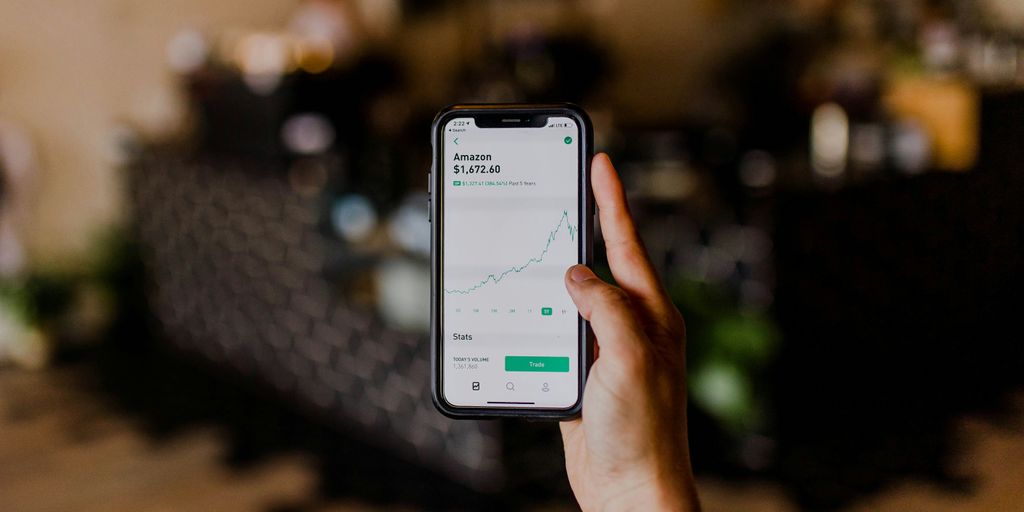
Backtesting options strategies can be a game-changer, but only if you do it right. It’s easy to fall into traps that lead to misleading results. Let’s look at some key things to keep in mind to make sure your backtests are as reliable as possible.
Avoiding Overfitting
Overfitting is a huge problem in backtesting. It’s when you tweak your strategy so much that it performs amazingly well on the historical data, but then falls apart in the real world. The goal isn’t to create a strategy that perfectly matches the past, but one that’s robust enough to handle future market conditions.
Here are some ways to avoid overfitting:
- Keep your models simple. Complex models have more ways to overfit the data.
- Use out-of-sample testing. This means testing your strategy on data it hasn’t seen before.
- Cross-validation is another useful technique. It involves splitting your data into multiple sets and testing your strategy on different combinations of those sets.
Remember, past performance is not indicative of future results. A strategy that looks great on paper might not work in live trading.
Using Sufficient Sample Sizes
Sample size matters. If you’re only testing your strategy on a few months of data, you’re not getting a very accurate picture of how it will perform over the long term. You need enough data to account for different market conditions and volatility levels. A larger sample size helps to smooth out random fluctuations and gives you a more reliable estimate of your strategy’s performance. Aim for at least a few years of data, if possible. This will give you a better understanding of how your strategy performs in different market environments. You can use a trading simulator to test your strategies.
Incorporating Trading Costs
This is a big one that people often overlook. It’s easy to get excited about a strategy that shows great returns in backtesting, but those returns can quickly disappear when you factor in trading costs. These costs include commissions, fees, and slippage (the difference between the expected price of a trade and the actual price you get). Make sure you’re using realistic assumptions about these costs in your backtests. If you’re not sure what your costs will be, it’s better to overestimate than underestimate. Here’s a quick breakdown:
- Commissions: What your broker charges per trade.
- Slippage: The difference between the expected and actual execution price.
- Fees: Any other fees charged by your broker or exchange.
Ignoring these costs can lead to a very inaccurate picture of your strategy’s profitability. Always factor in transaction costs to get a realistic view.
Common Mistakes in Options Backtesting
Backtesting options strategies is a powerful tool, but it’s easy to fall into traps that can skew your results and lead to poor trading decisions. Let’s look at some common pitfalls to avoid.
Neglecting Market Conditions
One of the biggest mistakes is failing to account for different market conditions. A strategy that works well in a bull market might completely fall apart during a bear market or period of high volatility. It’s important to test your strategies across a range of market environments to get a realistic picture of their performance. Consider these points:
- Volatility Regimes: Test your strategy under high, medium, and low volatility conditions.
- Market Trends: Evaluate performance during uptrends, downtrends, and sideways markets.
- Economic Cycles: See how the strategy performs during economic expansion and recession.
Ignoring Transaction Costs
Transaction costs can eat into your profits, especially with options trading, where commissions and fees can be significant. Failing to include these costs in your backtest can lead to an overly optimistic view of your strategy’s profitability. Make sure to factor in:
- Commissions per trade
- Exchange fees
- Slippage (the difference between the expected price and the actual execution price)
- Bid-ask spreads
Relying on Incomplete Data
The quality of your backtesting data is crucial. Using incomplete or inaccurate data can lead to flawed results and incorrect conclusions. Ensure your data includes:
- Accurate historical prices for options and underlying assets
- Complete data for the period you are testing
- Adjustments for dividends and stock splits
Backtesting is a guide for maximizing profits, but it doesn’t ensure a profit. Regulations, investor sentiment, and market conditions are subject to change, past performance can sometimes become irrelevant. It’s important to remember that past performance doesn’t guarantee future results.
Iterative Process of Backtesting
Backtesting isn’t a one-and-done deal. It’s more like a science experiment where you tweak things, observe the results, and then tweak some more. The real power of backtesting comes from this iterative process – constantly refining your strategy based on what the data tells you.
Adjusting Parameters
Once you’ve run your initial backtest, don’t just accept the results as gospel. Dig into the data and see where your strategy stumbled or shined. Maybe your entry criteria were too strict, or your exit points were too early. This is where you start playing with the parameters. For example, if you’re backtesting a covered call strategy, try adjusting the strike price or the expiration date. See how these changes impact your overall profitability and risk. It’s about finding that sweet spot where your strategy performs optimally. Think of it as tuning an engine – small adjustments can make a big difference.
Retesting Strategies
After you’ve tweaked your parameters, it’s time to retest your strategy. This isn’t just about confirming your initial findings; it’s about seeing how your adjustments hold up under different market conditions. Did that change that boosted your profits also increase your risk? Did it make your strategy more sensitive to market volatility? Retesting helps you answer these questions and fine-tune your strategy even further. It’s also a good idea to retest using different historical periods. What worked well in a bull market might not work so well in a bear market. By retesting across different scenarios, you can build a more robust and adaptable strategy. You can use trading simulators to test your strategies.
Continuous Improvement
Backtesting should be viewed as a cycle of continuous improvement. The market is always changing, and your strategies need to adapt to stay profitable. This means regularly revisiting your backtesting results, identifying areas for improvement, and retesting your strategies with new data. It’s not about finding the perfect strategy that works forever; it’s about building a process for constantly refining and improving your approach. This also means keeping an open mind and being willing to abandon strategies that no longer perform well. Don’t get emotionally attached to a particular approach – focus on what the data is telling you and be willing to adapt. Here’s a simple table to illustrate the iterative process:
| Step | Action | Purpose |
|---|---|---|
| 1 | Initial Backtest | Establish baseline performance |
| 2 | Analyze Results | Identify strengths and weaknesses |
| 3 | Adjust Parameters | Fine-tune entry/exit criteria, etc. |
| 4 | Retest Strategy | Validate adjustments across different conditions |
| 5 | Repeat Steps 2-4 | Continuously improve and adapt |
The key to successful options trading isn’t just about finding a winning strategy; it’s about building a system for continuously improving and adapting your approach based on market conditions and backtesting results. This iterative process is what separates the consistently profitable traders from those who struggle to stay ahead.
Backtesting is a key part of improving your trading skills. It’s like practicing before a big game. You try out different strategies on past data to see what works best. This way, you can learn from your mistakes and make better choices in the future. If you want to dive deeper into backtesting and enhance your trading journey, visit our website for more resources and tips!
Wrapping It Up
So, there you have it! Backtesting options strategies is a smart way to see how your ideas might play out in real life without risking your cash. By using historical data, you can figure out what works and what doesn’t. Remember to keep tweaking your strategy based on what you find. It’s all about learning and improving. Don’t forget to check your results against different market conditions to really understand how your strategy holds up. With some practice, you’ll be able to make better trades and feel more confident in your decisions. Happy trading!
Frequently Asked Questions
What is options backtesting?
Options backtesting is a way for traders to test their trading strategies using past market data. It helps them see how these strategies would have worked in the past.
Why is backtesting important?
Backtesting is important because it allows traders to check their strategies without risking real money. This helps them feel more confident when they decide to trade for real.
What tools can I use for backtesting options?
There are many software tools available for backtesting options. Popular ones include Thinkorswim, TradeStation, and Tastyworks, which all offer features to help you analyze your strategies.
What should I look for in backtesting software?
When choosing backtesting software, look for features like easy data access, the ability to customize your strategies, and options for visualizing your results.
What are some common mistakes in options backtesting?
Common mistakes include ignoring transaction costs, using too little data, and not considering different market conditions. These can lead to misleading results.
How can I improve my backtesting process?
To improve your backtesting, use a larger sample size, avoid changing your strategy too much based on past results, and always factor in trading costs.