
So, you’re looking to get into weekly options, huh? It’s a pretty cool way to trade, but you gotta be smart about it. We’re talking about making sure you don’t lose your shirt while trying to make some money. This guide is all about how to handle those weekly options in a way that makes sense, focusing on keeping your risk in check. It’s not about big, wild bets; it’s about being clever and steady. We’ll go through everything from what these options even are to some more advanced ways to use them, all while making sure you’re protected. Think of it as your playbook for trading weekly options without unnecessary stress.
Key Takeaways
- Weekly options can be great, but you absolutely need to manage your risk. Don’t just jump in without a plan.
- Know your calls and puts. They’re the basic tools, and you can’t build anything without them.
- Always decide how much you’re putting into each trade. Don’t bet the farm on one idea, and use stop-loss orders to limit your losses.
- The market changes all the time. Keep an eye on how volatile things are and what other traders are thinking. Be ready to change your approach.
- Protecting your money is the main thing. Learn constantly, adjust your plans, and always think about how to keep what you’ve got while trying to grow it.
Understanding the Core of Risk-Managed Weekly Options
Defining Weekly Options and Their Appeal
Okay, so what are weekly options? They’re basically just like regular options, but they expire every week instead of monthly. This means faster turnaround, which can be exciting, but also riskier. The main appeal is the potential for quicker profits, but you gotta be on your toes. It’s like a sprint versus a marathon; you need to be quick and decisive. Weekly options can be a good way to manage risk in options trading if you know what you’re doing.
The Imperative of Risk Management in Options Trading
Let’s be real, options trading can be a wild ride. Without a solid risk management plan, you’re basically gambling. It’s not just about picking the right stock; it’s about protecting your capital. Think of it like this: you wouldn’t drive a car without insurance, right? Same deal here. You need to understand how much you’re willing to lose on any given trade. Here are some things to keep in mind:
- Position sizing: Don’t bet the farm on one trade.
- Stop-loss orders: Set them and forget them (almost).
- Diversification: Don’t put all your eggs in one basket.
Risk management isn’t about avoiding losses altogether; it’s about making sure those losses don’t wipe you out. It’s about staying in the game long enough to see the wins.
Aligning Strategies with Investment Goals
Before you even think about placing a trade, you need to figure out what you’re trying to achieve. Are you looking for quick gains, or are you trying to build long-term wealth? Your strategy should match your goals. If you’re risk-averse, maybe weekly options aren’t the best fit. If you’re comfortable with higher risk, then go for it, but still be smart about it. It’s about finding the right balance. You need to align with your investment goals and risk appetite.
Here’s a simple table to illustrate:
| Goal | Risk Tolerance | Strategy |
|---|---|---|
| Quick Profit | High | Aggressive strategies, tight stop-losses |
| Consistent Income | Medium | Covered calls, credit spreads |
| Capital Preservation | Low | Hedging strategies, conservative positions |
Foundational Principles for Weekly Options Trading
Mastering Call and Put Options
Okay, so you’re thinking about trading weekly options? Cool. First, you gotta get the basics down. We’re talking call and put options. A call option gives you the right, but not the obligation, to buy an asset at a specific price (the strike price) before a certain date. Think of it like a coupon to buy something later. If you think a stock is going up, you might buy a call. On the flip side, a put option gives you the right to sell an asset at a specific price before a certain date. If you think a stock is going down, you might buy a put. It’s like insurance against a price drop. Understanding call and put options is the first step.
Strategic Position Sizing for Weekly Trades
Position sizing is all about how much capital you allocate to each trade. It’s super important because it directly impacts your risk. Don’t go all in on one trade, no matter how good it looks. A common rule of thumb is to risk only a small percentage of your total trading capital on any single trade – like 1% or 2%. This way, even if a trade goes south, it won’t wipe you out. Consider your risk tolerance and the volatility of the option you’re trading. Higher volatility? Smaller position size. Lower volatility? Maybe you can size up a bit. It’s a balancing act. Here’s a simple table to illustrate:
| Risk Tolerance | Capital per Trade | Example |
|---|---|---|
| Conservative | 1% | $100 on a $10,000 account |
| Moderate | 2% | $200 on a $10,000 account |
| Aggressive | 5% | $500 on a $10,000 account (use with care) |
Implementing Stop-Loss Orders Effectively
Stop-loss orders are your safety net. They automatically close out your position if the price hits a certain level, limiting your losses. When trading weekly options, things can move fast, so stop-loss orders are a must. Place them at a level where you’re willing to accept the loss if the trade goes against you. Don’t set them too tight, or you might get stopped out prematurely due to normal market fluctuations. But don’t set them too wide, or you risk losing more than you’re comfortable with. It’s a judgment call based on the option’s volatility and your risk tolerance. Here are some tips:
- Consider the option’s price volatility.
- Use technical analysis to identify support and resistance levels.
- Adjust stop-loss orders as the trade progresses.
Risk management is key. Don’t trade with money you can’t afford to lose. Weekly options can be profitable, but they’re also risky. Always have a plan, and stick to it.
Advanced Risk-Managed Weekly Options Strategies
Leveraging Bear Spreads for Downward Markets
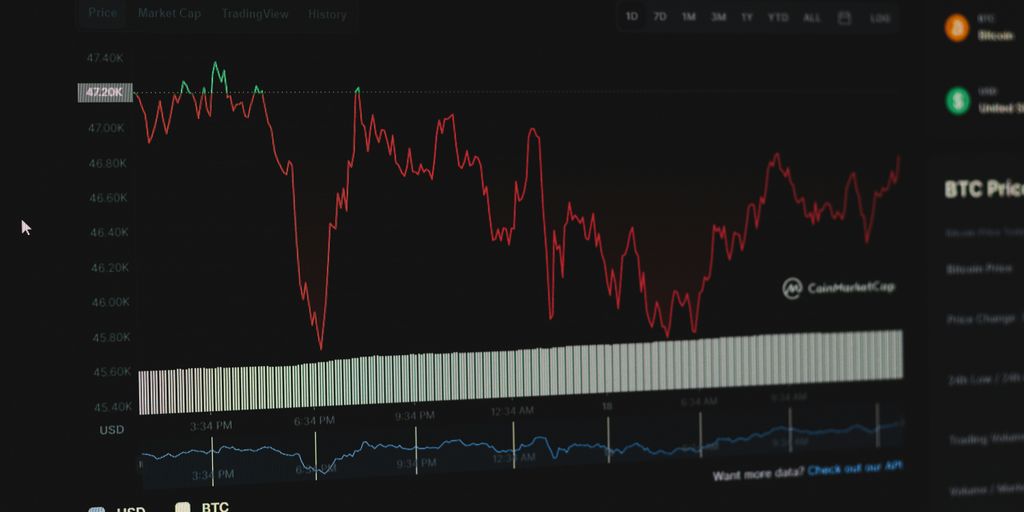
Bear spreads are a great way to profit when you think a stock is going down, but you want to limit your risk. A bear spread involves buying a put option and selling another put option at a lower strike price. This creates a range where you can profit, but your maximum loss and maximum gain are both capped. It’s like betting on a controlled descent rather than a freefall. For example, you might buy a put with a strike price of $50 and sell a put with a strike price of $45. Your profit is the difference between the premiums, minus any commission. Bear spreads are particularly useful when volatility is high, as the premiums will be richer.
Diversification Across Strategies and Expirations
Don’t put all your eggs in one basket! Diversifying your options strategies and expiration dates is key to managing risk. Instead of only trading one type of strategy (like covered calls), consider using a mix of strategies, such as:
- Credit spreads
- Iron condors
- Calendar spreads
Also, spread out your expiration dates. Don’t just trade options expiring this week; consider options expiring next week or even the week after. This helps smooth out your returns and reduces the impact of any single trade going wrong. Diversification across strategies and expirations is a chess game; each move must be calculated.
Hedging Techniques for Weekly Options
Hedging is like buying insurance for your portfolio. It involves taking positions that offset potential losses in your existing positions. With weekly options, hedging can be a bit trickier because of the fast time decay. Some common hedging techniques include:
- Buying protective puts: If you own a stock, buying a put option can protect you from a price decline.
- Selling covered calls: If you own a stock, selling a call option can generate income and provide some downside protection.
- Using inverse ETFs: These ETFs move in the opposite direction of a specific index or sector.
Hedging isn’t about eliminating risk entirely; it’s about reducing your exposure to unwanted risks. It’s a balancing act, and it requires careful consideration of your risk tolerance and investment goals. Remember to track unusual options volume tends to spike around key events.
Navigating Market Dynamics with Weekly Options
Analyzing Market Volatility and Indicators
Okay, so you’re diving into weekly options, right? You gotta keep a close eye on volatility. It’s like the weather for traders. High volatility means bigger potential swings, and lower volatility means things are calmer. I usually check the VIX understanding Call and put (Volatility Index) to get a sense of the overall market mood. It’s not perfect, but it gives you a decent heads-up. Also, don’t forget about economic indicators like interest rate announcements or employment numbers. These can really shake things up.
Understanding Market Psychology and Sentiments
Market psychology is a weird beast. It’s all about how people feel about the market, and those feelings can drive prices up or down faster than any rational analysis. Keep an eye on news headlines and social media chatter. Are people generally optimistic or pessimistic? That sentiment can be a self-fulfilling prophecy. I find it helpful to look at things like the CNN Fear & Greed Index. It’s a compilation of different sentiment indicators, and it can give you a quick snapshot of the overall mood. Remember, markets are driven by humans, and humans are emotional creatures.
Adapting to Extreme Market Movements
When the market goes haywire, you need to be ready to react fast. I mean, really fast. Here’s what I try to do:
- First, have a plan. Know your exit points before things get crazy.
- Second, don’t panic. Easier said than done, I know, but emotional decisions are usually bad decisions.
- Third, consider reducing your position size. If things are too volatile, it’s better to play it safe.
It’s important to remember that extreme market movements can happen for any reason. Sometimes there’s a clear catalyst, like a surprise economic announcement. Other times, it’s just a sudden shift in sentiment. The key is to be prepared and to have a strategy in place to protect your capital. Don’t forget to dissecting market trends to stay ahead of the curve.
Here’s a simple table to illustrate potential actions based on market movement:
| Market Movement | Potential Action |
|---|---|
| Sharp Upward | Consider taking profits |
| Sharp Downward | Evaluate stop-loss orders |
| Sideways | Adjust strategy |
Protecting Your Capital in Weekly Options Trading

Minimizing Losses While Maximizing Gains
Okay, so you’re diving into weekly options. Cool. But let’s be real, it’s not all sunshine and rainbows. You need to think about protecting your money. The goal isn’t just to win, but to not lose everything in one bad trade.
Here’s the deal:
- Set clear profit targets and loss limits: Know when to get in and, more importantly, when to get out. Don’t let greed or fear drive your decisions.
- Use stop-loss orders: Seriously, do it. It’s like an insurance policy for your trades. If things go south, you’re automatically out before it gets really ugly.
- Start small: Don’t bet the farm on your first few trades. Get a feel for how weekly options work before you start throwing around serious cash.
Risk management isn’t about being scared; it’s about being smart. It’s about understanding that losses are part of the game and having a plan to deal with them. Think of it as damage control – the better you are at it, the longer you’ll stay in the game.
The Role of Regulatory Considerations
Alright, let’s talk about the boring but important stuff: regulations. You can’t just do whatever you want in the market. There are rules, and you need to know them. These rules are in place to protect investors and maintain fair markets. Ignoring them can lead to fines, penalties, or even being banned from trading. Make sure you understand the rules set by the SEC and FINRA, and any other relevant regulatory bodies. It’s also a good idea to keep an eye on any changes to these regulations, as they can impact your trading plan.
Continuous Learning and Adaptation
The market is always changing, and what worked last week might not work this week. That’s why continuous learning is so important. Read books, follow market news, and learn from your mistakes. And don’t be afraid to adapt your strategies as needed. If something isn’t working, don’t keep doing it. Try something new. The best traders are the ones who are always learning and adapting. Keep an eye on market sentiments to help you adapt.
Here’s a simple table to illustrate the importance of continuous learning:
| Time Period | Strategy A Performance | Strategy B Performance | Action |
|---|---|---|---|
| Week 1 | +5% | -2% | Stick with A |
| Week 2 | +3% | +1% | Monitor |
| Week 3 | -1% | +4% | Consider Switch |
| Week 4 | -4% | +6% | Switch to B |
Basically, don’t get stuck in your ways. Be open to new ideas and willing to change your approach when necessary. Also, remember to define your trading goals to help you stay on track.
Developing a Strategic Approach to Weekly Options
Crafting a Robust Trading Framework
Okay, so you’re thinking about diving into weekly options? Cool. But before you jump in headfirst, you need a plan. A solid plan. Think of it like building a house – you wouldn’t start hammering nails without blueprints, right? Your trading framework is your blueprint. It’s how you’ll approach the market, manage your trades, and, most importantly, protect your capital. This involves defining your entry and exit strategies, setting rules for position sizing, and establishing clear criteria for when to cut your losses. It’s not just about picking stocks; it’s about building a system. For example, you might want to consider buying ITM options for weekly options trading.
Assessing Risk Appetite and Investment Goals
What are you really trying to achieve with weekly options? Are you trying to make a quick buck, or are you trying to build long-term wealth? Your investment goals will heavily influence your trading style and risk tolerance. Risk appetite is a big deal. If you’re the type who gets stressed out watching the market fluctuate, maybe weekly options aren’t for you. Or maybe you need to start small and gradually increase your position sizes as you become more comfortable. It’s all about finding that sweet spot where you’re taking enough risk to potentially generate returns, but not so much that you’re losing sleep at night.
The Dynamic Process of Risk Management
Risk management isn’t a one-time thing; it’s an ongoing process. The market is constantly changing, and your strategies need to adapt along with it. This means regularly reviewing your trades, analyzing your performance, and making adjustments as needed. It also means staying informed about market news and events that could impact your positions. Think of it like driving a car – you’re constantly making small adjustments to stay on course. And sometimes, you need to make a big adjustment to avoid a crash. It’s about being proactive, not reactive.
Risk management is not just about avoiding losses; it’s about maximizing your potential for long-term success. It’s about making smart, informed decisions that align with your investment goals and risk tolerance. It’s the cornerstone of sustainable options trading.
Here’s a simple table to illustrate different risk management approaches based on risk appetite:
| Risk Appetite | Position Sizing | Stop-Loss Orders | Strategy Focus |
|---|---|---|---|
| Low | Small | Tight | Conservative (e.g., covered calls) |
| Moderate | Medium | Moderate | Balanced (e.g., credit spreads) |
| High | Large | Wide | Aggressive (e.g., naked puts) |
And here are some key elements to consider for your risk management plan:
- Position Sizing: Never risk more than you can afford to lose on a single trade.
- Stop-Loss Orders: Use stop-loss orders to automatically exit a trade if it moves against you.
- Diversification: Don’t put all your eggs in one basket. Spread your risk across multiple positions.
- Continuous Learning: Stay up-to-date on market trends and trading strategies.
Want to get better at trading weekly options? It’s all about having a smart plan. If you’re looking to really understand how to make weekly options work for you, we can help. Our website has tons of easy-to-follow guides and tips that will show you the ropes. Don’t just guess with your money; learn how to trade like a pro. Come visit us and start your journey to becoming a better trader today!
Wrapping It Up: Your Path to Smarter Weekly Options Trading
So, there you have it. Trading weekly options with a good plan isn’t some secret club; it’s about being smart and knowing your stuff. We’ve talked about how to keep your risks in check, which is super important. Remember, it’s not about never losing money—that’s just not how trading works. It’s about understanding what could happen, planning for it, and making choices that fit what you want to achieve. Think of it like building something: you need good tools and a solid blueprint. The market changes all the time, and so will your experience. Keep learning, keep adjusting, and you’ll be in a much better spot to make these weekly options work for you.
Frequently Asked Questions
What exactly are weekly options?
Weekly options are special contracts that let you buy or sell something (like stocks) at a set price, but they expire very quickly, usually within a week. This makes them exciting for traders who want to make quick moves and possibly big gains, but it also means things can change fast.
Why is risk management so important when trading options?
Risk management is super important because options can be tricky. You can make a lot of money, but you can also lose it quickly. Good risk management helps you protect your money and avoid big losses, even when the market is acting crazy.
Can you explain what a ‘bear spread’ is?
A ‘bear spread’ is a smart way to make money if you think a stock’s price is going to go down. You buy and sell different options at the same time to limit how much you could lose, while still being able to profit if your guess is right.
What does it mean to diversify your options trades?
It’s like not putting all your eggs in one basket. You spread your money around different types of options or different strategies. This way, if one trade doesn’t work out, you don’t lose everything, and your whole investment isn’t wiped out.
How do market volatility and indicators affect weekly options?
Market volatility is simply how much and how fast prices are moving up or down. High volatility means prices are jumping all over the place, which can be risky but also offers more chances to make money if you’re careful. We look at certain signs to understand if the market is going to be wild or calm.
What is ‘continuous learning and adaptation’ in trading?
It’s about always learning and changing your plans. The market is always moving, so what worked yesterday might not work today. You need to keep studying, understand new things, and be ready to tweak your trading style to stay ahead and keep your money safe.