
So, you wanna get into weekly options swing trading, huh? It’s a pretty cool way to try and make some money in the market without glued to your screen all day. This guide will walk you through what weekly options swing trading is all about, how it’s different from other ways of trading, and some good strategies to get you started. We’ll also cover how to use charts and manage your money, which is super important. Plus, we’ll talk about getting your entry and exit points just right, looking at market seasons, and keeping your head straight when things get wild. It’s all about learning how to make smart moves in the market with weekly options swing trading.
Key Takeaways
- Weekly options swing trading means holding trades for a few days to a few weeks to catch bigger price moves.
- Using technical analysis, like looking at multiple timeframes and volume, helps confirm trade ideas.
- Good risk management, like proper position sizing and setting stop-loss orders, protects your trading capital.
- Timing your entries and exits carefully can make a big difference in how well your trades do.
- Keeping a calm and consistent mindset is just as important as having a good trading strategy.
Understanding Weekly Options Swing Trading
Defining Weekly Options Swing Trading
Okay, so what is weekly options swing trading? Basically, it’s a way to try and make money off the short-term price movements of stocks or other assets using weekly options. Instead of holding an option for weeks or months, you’re only holding it for a few days, maybe a week at most. The goal is to capitalize on a quick swing in price before the option expires. It’s faster-paced than regular swing trading, but it also means you have to be on your toes.
Advantages Over Other Trading Styles
Why bother with weekly options swing trading instead of, say, day trading or long-term investing? Well, for one, it doesn’t require you to sit in front of a screen all day like day trading does. You can analyze the market, set up your trades, and then check in a few times a day. Plus, it doesn’t tie up your capital for months like long-term investing. Here’s a quick comparison:
| Trading Style | Time Commitment | Capital Required | Risk Level | Potential Reward |
|---|---|---|---|---|
| Day Trading | High | Moderate | High | High |
| Weekly Options Swing | Moderate | Low | Moderate | Moderate |
| Long-Term Investing | Low | High | Low | Moderate |
Weekly options swing trading offers a balance. It’s not as intense as day trading, but it can provide quicker returns than long-term investing. It’s all about finding that sweet spot.
Key Characteristics of Weekly Options Swing Trading
So, what makes weekly options swing trading unique? Here are a few key things to keep in mind:
- Short Expiration Dates: Weekly options expire every week, which means you have a limited time for your trade to work out.
- Volatility: Weekly options can be more volatile than monthly options, which can lead to bigger gains (or losses).
- Time Decay: Time decay, or theta, eats away at the value of your option as it gets closer to expiration. You need the price to move quickly to offset this.
- Strategic Selection: Choosing the right strike price and expiration date is crucial. You need to balance risk and potential reward.
Essential Weekly Options Swing Trading Strategies
Trend-Following Strategy for Weekly Options
Trend-following is a classic approach, and it works surprisingly well with weekly options. The core idea is to identify a strong trend and then use options to capitalize on its continuation. It’s not about predicting reversals, but rather riding the wave.
Here’s how I usually approach it:
- Identify the Trend: Start with a higher timeframe chart (daily or weekly) to determine the overall trend. Are we seeing higher highs and higher lows (uptrend) or lower highs and lower lows (downtrend)?
- Confirm with Indicators: Use moving averages (like the 20-day and 50-day) to confirm the trend. Also, the regulated forex broker can provide additional insights.
- Find Entry Points: Look for pullbacks or consolidations within the trend. These are potential entry points.
- Option Selection: Buy call options in an uptrend or put options in a downtrend. Choose an expiration date that gives the trade enough time to play out (usually 1-2 weeks).
- Set Stop-Losses: Protect your capital by setting stop-loss orders. A good rule of thumb is to place the stop-loss below a recent swing low (for calls) or above a recent swing high (for puts).
Trend-following isn’t foolproof. Trends can reverse quickly, especially with weekly options. That’s why risk management is so important.
Breakout Trading Strategy for Weekly Options
Breakout trading is all about catching a big move when a stock or index breaks through a key level of resistance or support. The goal is to profit from the increased volatility and momentum that often accompany breakouts.
Here’s the breakdown:
- Identify Key Levels: Look for areas where the price has repeatedly stalled or reversed. These are your potential breakout levels.
- Wait for Confirmation: Don’t jump the gun! Wait for the price to actually break through the level with conviction. Increased volume can be a good sign.
- Option Selection: Buy call options if the price breaks above resistance, or buy put options if it breaks below support. Again, choose an expiration date that gives the trade enough time to work.
- Set Profit Targets: Determine where you’ll take profits. This could be based on a percentage gain, a specific price level, or a technical indicator.
- Manage Risk: Use stop-loss orders to limit your potential losses. Place the stop-loss just below the breakout level (for calls) or just above the breakout level (for puts).
Fibonacci Retracement Strategy for Weekly Options
Fibonacci retracement levels can help identify potential support and resistance areas where the price might reverse or consolidate. This strategy involves using these levels to find entry points for weekly options trades.
Here’s how to use Fibonacci retracements:
- Identify a Significant Swing: Find a recent swing high and swing low on the chart.
- Draw Fibonacci Levels: Use a charting tool to draw Fibonacci retracement levels between the swing high and swing low. The key levels to watch are 38.2%, 50%, and 61.8%.
- Look for Confluence: See if the Fibonacci levels line up with other technical indicators, such as moving averages or trendlines. This can increase the likelihood of a reversal.
- Option Selection: If the price retraces to a Fibonacci level and shows signs of reversal, buy call options if you expect the price to bounce higher, or buy put options if you expect it to continue lower.
- Set Stop-Losses: Protect your capital by setting stop-loss orders below the Fibonacci level (for calls) or above the Fibonacci level (for puts).
Here’s an example of how it might look in practice:
| Fibonacci Level | Action |
|---|---|
| 38.2% | Potential entry for a call option |
| 50% | Stronger support/resistance level |
| 61.8% | Often the last line of defense |
Remember to adjust your strategy based on market conditions and your own risk tolerance. Weekly options can be risky, so always manage your capital carefully. You can also use a weekly swing trading strategy to help you make informed decisions.
Technical Analysis for Weekly Options Swing Trading
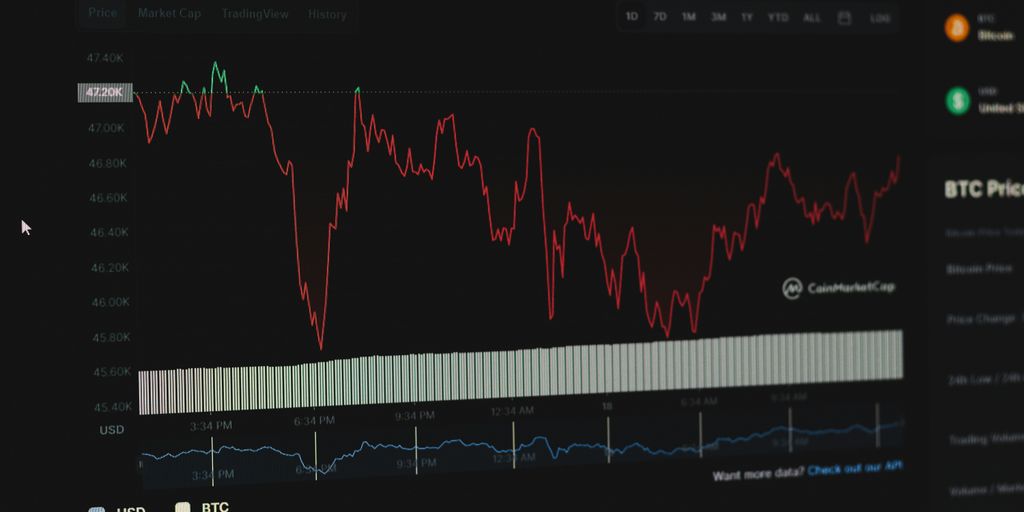
Technical analysis is super important when you’re trying to make smart moves with weekly options. It’s all about looking at charts and data to figure out where prices might be headed. I’m no expert, but I’ve picked up a few things that seem to help.
Leveraging Multiple Timeframe Analysis
Okay, so this sounds fancy, but it’s really just about looking at the same stock or index on different charts – like a weekly chart, a daily chart, and maybe even an hourly chart. The idea is to get a sense of the bigger picture and then zoom in to find the best time to jump in or out of a trade.
Here’s how I try to do it:
- Start with the weekly chart to see the overall trend. Is it generally going up or down?
- Then, I switch to the daily chart to find potential entry points. Where might be a good spot to buy or sell?
- Finally, I use the hourly chart to fine-tune my timing. It’s like waiting for the perfect moment to strike. You can improve your trading decisions by using multiple timeframes.
Utilizing Volume Analysis for Confirmation
Volume is basically how many shares are being traded. If a stock’s price is going up, and the volume is also high, that’s usually a good sign that the trend is strong. If the price is going up, but the volume is low, it might be a sign that the trend is weak and could reverse soon.
Here’s what I look for:
- Volume spikes when a stock breaks through a key level. That can confirm the breakout.
- Divergence between price and volume. If the price is making new highs, but the volume isn’t, that could be a warning sign.
- Overall volume trends. Is volume generally increasing or decreasing? That can give you a sense of the overall market sentiment.
I find that volume analysis is like a second opinion. It helps me confirm what I’m seeing on the price chart and avoid making dumb mistakes.
Identifying Key Chart Patterns
Chart patterns are shapes that prices make on a chart. Some patterns suggest that the price is likely to go up, while others suggest that it’s likely to go down. Recognizing these patterns can give you an edge.
Here are a few common ones:
- Head and Shoulders: This pattern often signals a reversal of an uptrend.
- Double Top/Bottom: These patterns can indicate that a stock has hit a resistance or support level and is likely to reverse direction.
- Triangles: These patterns can suggest that a stock is consolidating and is about to break out in one direction or another.
I’m still learning about chart patterns, but they’ve definitely helped me make better trading decisions. It’s like having a secret code that helps you understand what the market is trying to tell you.
Risk Management for Weekly Options Swing Trading
Risk management is super important when you’re dealing with weekly options. Because they expire so quickly, things can go south fast if you’re not careful. It’s not just about making money; it’s about protecting what you already have. Let’s break down some key strategies.
Effective Position Sizing Techniques
Position sizing is all about figuring out how much of your capital to put into a single trade. The goal is to avoid risking too much on any one idea. A common rule is to risk no more than 1-2% of your total trading capital on a single trade. This way, even if you’re wrong, it doesn’t wipe you out. For example, if you have $10,000 to trade with, you shouldn’t risk more than $100-$200 on a single weekly options trade. It’s also a good idea to adjust your position size based on the volatility of the option and the underlying asset. Higher volatility? Smaller position.
Setting Strategic Stop-Loss Orders
Stop-loss orders are your safety net. They automatically close out your position if the price moves against you by a certain amount. Where you set your stop-loss depends on your strategy and risk tolerance, but a good starting point is to look at the chart and identify key support or resistance levels. Place your stop-loss just below support if you’re long, or just above resistance if you’re short. Don’t make the mistake of setting it too tight, or you’ll get stopped out by normal market fluctuations. Consider using a trailing stop-loss to lock in profits as the trade moves in your favor.
Managing Capital and Portfolio Exposure
Managing your capital is more than just position sizing; it’s about how you allocate your funds across different trades and assets. Don’t put all your eggs in one basket. Diversify your portfolio by trading different sectors, strategies, and even asset classes. Keep an eye on your overall portfolio exposure. If you have multiple positions open, make sure they’re not all highly correlated. If one thing goes wrong, you don’t want everything to crash at once. It’s also a good idea to keep some cash on the sidelines so you can take advantage of new opportunities or add to existing positions if they move in your favor. Remember, a weekly swing trading strategy requires patience and discipline.
Risk management isn’t just a set of rules; it’s a mindset. It’s about being proactive, not reactive. It’s about understanding the risks involved in weekly options trading and taking steps to mitigate those risks before they become a problem. It’s about protecting your capital so you can trade another day.
Here’s a simple table to illustrate position sizing based on account size:
| Account Size | Max Risk per Trade (1%) | Max Risk per Trade (2%) |
|---|---|---|
| $5,000 | $50 | $100 |
| $10,000 | $100 | $200 |
| $25,000 | $250 | $500 |
| $50,000 | $500 | $1,000 |
Optimizing Entry and Exit Points in Weekly Options
Weekly options demand a sharp focus on timing. Unlike monthly options, their short lifespan means you need to be precise about when you get in and out of a trade. Messing up the timing can quickly eat into your profits, or worse, lead to losses. It’s all about finding that sweet spot where you maximize your gains while minimizing your exposure to risk. Let’s explore how to do just that.
Precision Entry Techniques
Getting into a trade at the right moment can make all the difference. Don’t just jump in blindly. Instead, look for confluence – where multiple indicators align to signal a potential move. For example, a stock might be bouncing off a key support level while also showing bullish divergence on the RSI. That’s a stronger signal than either indicator alone. Waiting for confirmation is key.
Here are some techniques to consider:
- Candlestick Patterns: Learn to recognize patterns like engulfing patterns, hammers, and morning stars. These can provide early clues about potential reversals or continuations.
- Moving Averages: Use moving averages to identify areas of support and resistance. A stock pulling back to its 50-day moving average could be a good entry point.
- Oscillators: RSI, MACD, and Stochastics can help you identify overbought or oversold conditions. Look for divergences between price and these oscillators to spot potential turning points.
Strategic Exit Planning
Knowing when to get out of a trade is just as important as knowing when to get in. Have a plan before you even enter the trade. Where will you take profits? Where will you cut your losses? These levels should be based on technical analysis, not just gut feeling.
Consider these exit strategies:
- Profit Targets: Set realistic profit targets based on support and resistance levels, Fibonacci extensions, or previous swing highs/lows.
- Stop-Loss Orders: Always use stop-loss orders to limit your potential losses. Place them below key support levels or above key resistance levels.
- Time Decay: With weekly options, time is not your friend. If your trade isn’t moving in the right direction, consider cutting your losses early to avoid further decay. swing trading options strategies can help you manage this.
Adapting to Market Volatility
Volatility can be both a blessing and a curse when trading weekly options. High volatility can lead to bigger profits, but it can also lead to bigger losses. You need to adjust your strategy based on the current market conditions.
When volatility is high, consider using wider stop-loss orders to avoid getting stopped out prematurely. You might also want to reduce your position size to limit your risk. Conversely, when volatility is low, you can use tighter stop-loss orders and potentially increase your position size.
Here’s a simple table illustrating how to adjust your strategy based on volatility:
| Volatility Level | Stop-Loss Width | Position Size |
|---|---|---|
| High | Wider | Smaller |
| Low | Tighter | Larger |
Seasonal Analysis for Weekly Options Swing Trading
Identifying Recurring Market Patterns
Seasonal analysis is all about spotting repeating trends in the market. It’s like noticing that ice cream sales always jump in the summer. In trading, this means looking at historical data to see if certain weeks or months tend to favor specific outcomes for particular assets. This can give you an edge when planning your weekly options swing trades.
- Look at price charts going back several years.
- Note any consistent patterns that emerge during specific times of the year.
- Consider economic reports or events that happen regularly and might influence these patterns.
Incorporating Calendar-Based Trading
Calendar-based trading takes seasonal patterns and turns them into a strategy. It’s not just about knowing that something might happen; it’s about planning your trades around when it’s likely to happen. For example, if tech stocks often dip in early September, you might plan to buy call options then, anticipating a rebound. This approach requires discipline and a solid understanding of the assets you’re trading. You can use seasonal charts to help you with this.
Leveraging Historical Data for Future Trades
Historical data is your best friend when it comes to seasonal analysis. The more data you have, the better you can understand the reliability of a pattern. However, remember that past performance doesn’t guarantee future results. Market conditions change, and what worked last year might not work this year. Always combine historical insights with current market analysis.
It’s important to remember that seasonal analysis is just one tool in your trading toolbox. Don’t rely on it exclusively. Use it in conjunction with technical analysis, fundamental analysis, and solid risk management to make well-informed trading decisions.
Psychology and Discipline in Weekly Options Swing Trading
Cultivating a Disciplined Trading Mindset
Trading psychology is super important, especially with weekly options. You’re dealing with fast-moving assets and the temptation to chase quick profits can be strong. Developing a disciplined mindset is the foundation for consistent success. It’s about sticking to your plan, even when things get tough. Think of it like this: you wouldn’t start a road trip without a map, right? Same goes for trading. Have a plan, know your entry and exit points, and don’t let emotions steer you off course.
- Define your risk tolerance clearly.
- Set realistic profit expectations.
- Always use a trading journal to track your decisions and results.
Overcoming Emotional Biases
Emotions can really mess with your trading. Fear and greed are the big ones. Fear can make you exit a trade too early, missing out on potential profits. Greed can make you hold on too long, hoping for more, only to see your gains disappear. Recognizing these biases is the first step to overcoming them. One thing that helps me is to automate parts of my trading. For example, I use alerts to notify me of potential entry points, and I have pre-set stop-loss orders in place. This takes some of the emotion out of the equation. You can use the 5-Second Rule to prevent impulse trades.
It’s easy to get caught up in the excitement of a winning streak or the despair of a losing one. But remember, trading is a marathon, not a sprint. Stay focused on the long-term, and don’t let short-term fluctuations derail your strategy.
Maintaining Consistency in Strategy Execution
Consistency is key. It’s not about hitting home runs every time; it’s about consistently making good decisions. This means sticking to your chosen strategy, even when it’s not working perfectly. Every strategy will have losing trades, that’s just part of the game. The important thing is to learn from those losses and refine your approach. Don’t jump from one strategy to another based on a few bad trades. Give your strategy time to work, and be patient. Consider using a weekly swing trading strategy to capture medium-term price movements. Also, remember to use strategic stop loss placement to protect your capital.
- Regularly review your trading plan.
- Analyze your past trades to identify areas for improvement.
- Stay informed about market conditions and adjust your strategy accordingly.
Trading weekly options means you need to have your head in the game. It’s not just about picking the right stocks; it’s also about keeping your emotions in check and sticking to your plan. If you want to learn how to master your mindset and trade smarter, check out our free training. It’s packed with simple tips to help you stay calm and make good choices, even when the market gets wild.
Conclusion
So, there you have it. Weekly options swing trading can be a good way to make money, but it’s not a get-rich-quick scheme. You need to be patient and stick to your plan. It’s all about finding those good setups, managing your money well, and not letting your feelings get in the way. If you keep learning and stay disciplined, you can definitely do well with this kind of trading. Just remember, it takes time and effort, like anything else worth doing.
Frequently Asked Questions
What is weekly options swing trading?
Weekly options swing trading is a way to make money by predicting if a stock’s price will go up or down over a few days or weeks. You buy or sell options contracts, which give you the right (but not the obligation) to buy or sell a stock at a certain price by a certain date. It’s different from day trading, where you buy and sell within the same day, or long-term investing, where you hold stocks for months or years.
How much money do I need to start weekly options swing trading?
You don’t need a huge amount of money to start, but it’s smart to begin with at least a few thousand dollars. This allows you to spread your money across different trades and manage your risks better. Starting too small might limit your options and make it harder to handle market ups and downs.
Can I do weekly options swing trading if I have a full-time job?
Yes, you can! Unlike day trading, which needs you glued to your screen, swing trading lets you check the market less often. You might spend an hour or two each day planning your trades and checking on them. This makes it a good fit for people who have full-time jobs or other commitments.
What are the biggest risks in weekly options swing trading?
The main risks are losing money if your predictions are wrong, especially since options can expire worthless. Also, unexpected news or big market changes can quickly affect your trades. That’s why it’s super important to use stop-loss orders and not risk too much money on any single trade.
What’s the best way to learn weekly options swing trading?
To get good at this, you should learn about technical analysis (reading charts), understand how options work, and practice managing your risks. Start with a small amount of money, or even use a practice account, before putting real money on the line. Learning from experienced traders and reading good books can also help a lot.
What makes a weekly options swing trader successful?
Success comes from having a clear plan, sticking to your rules, and not letting your emotions take over. You need to be patient, disciplined, and always willing to learn from your mistakes. It’s not about winning every trade, but about making smart decisions over time.