
Trading in fast markets can feel like a wild ride, right? One minute things are calm, the next it’s all happening at once. This kind of action really messes with your head. It’s easy to get caught up in the moment, making decisions you later regret. But it doesn’t have to be that way. We’re going to look at ways to keep your cool and make better choices when the markets are moving quickly, focusing on managing emotions in short-term trades.
Key Takeaways
- Understand how market swings affect your feelings and why short-term trading makes these feelings even stronger.
- Build a trading approach that helps you stay calm and stick to your plan, even when things get hectic.
- Use solid risk control methods, like setting limits on how much you’ll risk per trade or in a day, to protect yourself.
- Learn about tools like the VIX and ATR that can help you see how much the market might move.
- Develop personal habits, like keeping a trading diary or taking breaks, to help you manage your emotions better.
Understanding the Emotional Impact of Volatility
Markets are always moving, and the level of volatility in any given sector, market, or product is a constant that runs throughout all facets of trading. Volatility is what creates opportunity, and simultaneously, risk. Generally speaking, market volatility refers to the rate at which an asset’s price moves over time. High volatility and large price fluctuations can be driven by underlying economic conditions, data releases, interest rate announcements, political instability, or unexpected global events. Statistically, volatility is often measured by standard deviation, but in everyday trading terms, it represents how much and how fast prices move. During low-volatility periods, markets can move slowly and within tight ranges. When volatility rises, traders may see violent swings in both directions, sometimes within minutes.
Volatility’s Influence on Trader Psychology
When markets get choppy, it’s easy for emotions to take over. Think about it: calm markets might let you stick to your usual technical setups, like support and resistance levels. But when things get wild, those levels can get blown through, leading to false breakouts that confuse even seasoned traders. This uncertainty can make traders feel uncomfortable. It’s like trying to read a book in a hurricane; the words are there, but the wind keeps ripping the pages. This emotional response is amplified in short-term trading because the stakes feel higher with quicker decisions. The VIX, often called the ‘fear index’, isn’t just a catchy name; it reflects how much traders are anticipating price swings, and those swings can definitely mess with your head. Studies have even shown that professional traders have a harder time managing their emotions when markets are volatile, so it’s no surprise if you do too.
The Amplified Stakes in Short-Term Trading
Short-term trading, by its very nature, means you’re dealing with faster price changes and often, more frequent trades. This speed can really ramp up the emotional pressure. When you’re in a trade for minutes or hours instead of days or weeks, every tick feels more significant. Leverage, which is common in short-term strategies, can make this even more intense. A small price move can control a large amount of money, meaning your gains can be big, but your losses can also pile up fast. This combination of rapid price action and leverage creates a potent mix that can easily lead to impulsive decisions if you’re not careful. It’s important to remember that while volatile markets present opportunities, they also raise the emotional stakes considerably. You need strategies for emotion management just as much as you need risk management. Understanding how these feelings affect your decisions is key to staying on track.
Recognizing Emotional Triggers in Fast Markets
So, what exactly gets under a trader’s skin when the market is moving quickly? It’s usually a few common things. Fear of missing out (FOMO) can kick in when you see a rapid price move and jump in without a solid plan. Conversely, fear of loss can make you exit a trade too early, cutting off potential profits. Greed can lead you to hold onto a winning trade for too long, hoping for even bigger gains, only to see it reverse. Impatience is another big one; wanting to trade every little wiggle can lead to overtrading and unnecessary losses. It’s helpful to identify your personal triggers. Maybe it’s a specific news event, a certain type of price action, or even just a string of losing trades. Once you know what sets you off, you can start to build defenses. For instance, if rapid price swings make you anxious, you might decide to reduce your position size or step away from the screen for a bit. Having clear rules, like daily loss limits, can also act as a circuit breaker, preventing you from making rash decisions when emotions run high. It’s about building a trading plan that accounts for these emotional responses, not just the market movements themselves.
Developing a Resilient Trading Mindset
Trading isn’t just about charts and numbers; it’s a mental game, especially when the market’s moving fast. Building a strong mindset means you can handle the ups and downs without letting emotions take over. It’s about being prepared and sticking to your guns, even when things get a bit wild.
Cultivating Emotional Discipline
This is where you learn to control those gut reactions. Fear of losing money can make you exit a trade too early, while greed might push you to take on too much risk. It’s a constant balancing act. You need to accept that losses are just part of the game, not a personal failure. Think of it like this: you wouldn’t quit learning to drive after stalling the car once, right? Trading is similar. Focus on executing your plan, not on whether each individual trade is a winner. Consistent execution over time is the real goal.
Setting Realistic Trading Expectations
Nobody wins every trade, and that’s okay. Trying to achieve that is a fast track to frustration. Instead, aim for realistic profit targets and understand that some trades will just not work out. It’s about managing probabilities. If your strategy has a positive expectancy over many trades, then a few losses here and there don’t really matter in the long run. It’s about the process, not just the outcome of one specific trade. You can find some good strategies for managing risk on this site.
The Importance of a Structured Trading Plan
A trading plan is your roadmap. It tells you exactly when to get in, when to get out, and how much you’re willing to risk. Having this plan in place means you’re less likely to make impulsive decisions when the market is moving quickly. It keeps you honest and disciplined.
Here’s a basic breakdown of what a plan should cover:
- Entry Rules: What conditions must be met before you enter a trade?
- Exit Rules: When do you take profits, and when do you cut losses?
- Position Sizing: How much capital do you allocate to each trade?
- Risk Management: What’s your maximum acceptable loss per trade or per day?
Sticking to your plan, even when it feels uncomfortable, is the bedrock of emotional control in trading. It removes guesswork and reduces the influence of fleeting emotions.
Implementing Robust Risk Management Strategies
When the market’s moving fast, it’s easy to get caught up in the action and forget the basics. That’s where solid risk management comes in. It’s like having a safety net, but for your trading account. Without it, those quick market swings can really do a number on your capital, and even blow up your whole account if you’re not careful.
Adjusting Risk Per Trade in Volatile Conditions
In choppy markets, you can’t just trade the same way you do when things are calm. You need to be smarter about how much you’re putting on the line with each trade. A common rule of thumb is to risk only a small slice of your total trading money, maybe 1% or 2%, on any single trade. This way, if a trade goes south, it doesn’t wipe out a huge chunk of your account, making it easier to recover and keep trading.
Defining Daily Trading Limits
Setting limits for yourself each day is a smart move. Think about a maximum amount you’re willing to lose in a single day. Once you hit that number, it’s time to step away. This stops you from chasing losses or getting into a revenge trading cycle, which is a fast track to disaster. It’s about knowing when to stop, even if you feel like you can still make money.
The Role of Stop Losses in Managing Emotions
Stop losses are your best friend when emotions run high. Before you even get into a trade, you should know exactly where you’ll exit if the market moves against you. This isn’t just about limiting losses; it’s also about taking the emotion out of the exit decision. You’ve already decided beforehand, so you don’t have to make a panicked choice in the heat of the moment. It helps you stick to your plan and avoid those costly
Leveraging Tools for Volatility Assessment
When the market starts moving fast, it’s easy to feel like you’re just reacting. But having the right tools to measure that movement can make a big difference. These aren’t crystal balls, but they give you a clearer picture of what’s happening so you can make smarter choices.
Utilizing the VIX and ATR Indicators
The VIX, often called the ‘fear index,’ gives you a sense of how much volatility traders expect in the S&P 500 over the next 30 days. It’s a good way to gauge overall market sentiment. If the VIX is high, it means people are expecting bigger price swings. The Average True Range (ATR) is another handy tool. It measures the average price movement over a specific period. When the ATR goes up, it tells you that prices are moving more, which is a direct sign of increasing volatility. These indicators help you understand the intensity of market moves, not necessarily the direction.
Employing Technical Indicators for Volatility Gauging
Beyond the VIX and ATR, several other technical indicators can help you see volatility. Bollinger Bands are a good example. They consist of a middle band (usually a simple moving average) and two outer bands set at a certain distance above and below the middle band. When the outer bands widen, it shows that volatility is increasing. Conversely, when they narrow, volatility is decreasing. Other indicators, like the Average Directional Index (ADX), can also signal the strength of a trend, which often correlates with volatility.
Interpreting Market Structure for Informed Decisions
Looking at market structure is also key. This means understanding how prices are moving and where potential support and resistance levels might be. In calm markets, these levels often hold. But in volatile markets, they can be broken quickly, leading to false signals or ‘fakeouts.’ It’s important to recognize that traditional support and resistance might not work the same way when volatility spikes. You need to be aware of how market structure changes during these periods to avoid getting caught off guard.
Being prepared means knowing what tools to use and how to interpret what they’re telling you about the market’s current state. It’s about having a sense of the potential for big moves before they happen, so you can adjust your approach accordingly.
Practical Techniques for Managing Emotions
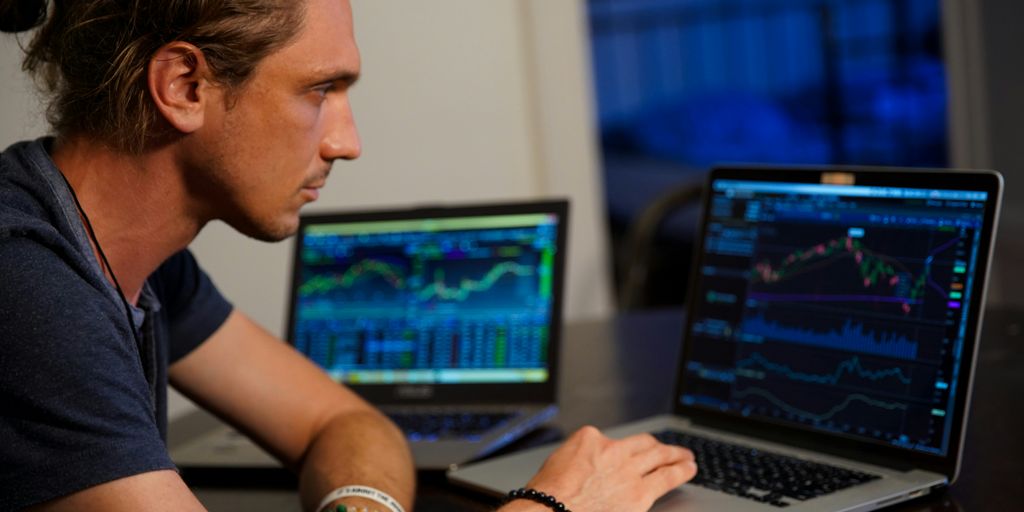
It’s easy to get caught up in the whirlwind of short-term trading. Prices jump around, and suddenly you feel that familiar knot in your stomach. But there are ways to keep your cool and make better choices, even when the market’s moving fast. It’s not about never feeling anything, but about not letting those feelings run the show.
The Power of Trading Journals for Self-Awareness
Think of a trading journal as your personal trading diary. It’s more than just recording wins and losses; it’s about capturing what you were thinking and feeling before, during, and after each trade. Did you jump in because you were bored? Did you exit too early because you saw a tiny dip? Writing it all down helps you spot patterns in your own behavior that you might otherwise miss. Over time, reviewing these entries can show you where your emotional triggers lie. It’s a bit like looking in a mirror for your trading habits.
Here’s a simple way to structure your journal entries:
- Date & Time: When the trade happened.
- Asset Traded: What you bought or sold.
- Entry Price: Where you got in.
- Exit Price: Where you got out.
- Reason for Entry: Your trading plan’s signal.
- Reason for Exit: Your trading plan’s signal or emotional reaction.
- Emotional State: (e.g., excited, anxious, confident, frustrated)
- Outcome: Profit/Loss amount and percentage.
- Lessons Learned: What you’ll do differently next time.
Mindfulness and Stress Management for Traders
When the market is choppy, stress can build up fast. Simple techniques can make a big difference. Things like taking a few deep breaths before placing a trade, or even just stepping away from the screen for five minutes, can reset your mental state. Some traders find that short meditation sessions or simple breathing exercises help them stay grounded. It’s about creating a buffer between the market’s action and your reaction. Remember, you can’t make good decisions when you’re feeling overwhelmed. Staying calm is a skill you can practice.
Sometimes, the best trade is the one you don’t make. Recognizing when you’re feeling pressured or overly emotional is the first step to stepping back and waiting for a clearer opportunity.
The Benefit of Taking Strategic Breaks
It sounds counterintuitive, but sometimes the best way to improve your trading is to stop trading for a bit. If you’ve had a few rough trades in a row, or if you’re just feeling mentally drained, pushing through can often lead to more mistakes. Taking a planned break, even just for an hour or a day, can help you clear your head. It allows you to come back with fresh eyes and a more objective perspective. Think of it like resting a muscle after a workout; your trading brain needs recovery time too. This helps prevent burnout and keeps your decision-making sharp. You can find more on managing your trading psychology at b4cf.
Navigating Short-Term Trading Dynamics
Short-term trading, by its very nature, throws you into a whirlwind of rapid decisions. Unlike longer-term strategies where you might have days or weeks to mull things over, here, you’re often working with minutes or even seconds. This speed is exhilarating, but it also means your usual, slower-thinking rational brain might not have time to kick in. Instead, your gut reactions, your intuition, can take over. The challenge is making sure that intuition is well-informed and not just a knee-jerk emotional response.
The Challenge of Rapid Decision-Making
When the market is moving fast, it’s easy to get caught up in the moment. You see a price move, and your instinct might be to jump in or out immediately. This is where having a pre-defined plan becomes so important. If you haven’t thought through potential scenarios beforehand, you’re essentially making up the rules as you go, which is a recipe for emotional trading. It’s like trying to fix a bike without ever having seen one before – you might get lucky, but you’re more likely to make a mess.
Rehearsing Scenarios for Prepared Responses
To combat this, think of yourself as an actor preparing for a play. You don’t just walk on stage and improvise the whole thing. You rehearse. In trading, this means simulating different market conditions and deciding in advance how you’ll react. What will you do if the price suddenly drops 5%? What’s your exit strategy if it moves against you by a certain amount? Having these responses mapped out means that when the actual event happens, you’re not thinking; you’re executing a plan. This takes a lot of the emotional pressure off. You can practice these scenarios using paper trading or by simply writing down your hypothetical actions for different market moves. This preparation is key to staying disciplined in options trading [4f14].
Balancing Intuition with Rational Analysis
It’s not about ignoring your gut feeling entirely. Sometimes, a strong intuition can signal something important. The trick is to learn to distinguish between a well-honed, experience-based intuition and a purely emotional reaction driven by fear or greed. You can develop this by keeping a detailed trading journal. Reviewing your past trades, especially the ones where you felt a strong emotional pull, can help you identify patterns in your own behavior. Was that ‘gut feeling’ to sell based on a real change in market structure, or just because you saw a few red candles? Learning to ask yourself these questions in the heat of the moment, or better yet, having already answered them through preparation, is what separates successful short-term traders from those who struggle with emotional control.
Understanding how the market moves quickly is key for short-term traders. It’s like learning to surf – you need to catch the waves at just the right moment. Our easy-to-follow guides break down these fast-paced trading changes, making them simple to grasp. Ready to get better at trading? Visit our website to learn more and start your journey today!
Wrapping It Up: Staying Cool When Things Get Hot
So, trading in fast markets can be a real ride, right? It’s easy to get caught up in the ups and downs, letting feelings like fear or excitement call the shots. But as we’ve seen, having a solid plan, knowing your limits, and keeping a clear head are super important. It’s not about never feeling anything; it’s about not letting those feelings push you around. By sticking to your strategy and managing your risk, you can actually find opportunities when things are moving quickly, instead of just getting swept away. Remember, it takes practice, but controlling your emotions is just as key as reading the charts.
Frequently Asked Questions
Why does market movement make trading so emotional?
When markets move a lot, it can make traders feel anxious or excited. This is because big price swings can lead to big wins or losses quickly. In short-term trading, these swings happen fast, making it even harder to keep your cool and make smart choices. It’s like riding a roller coaster – thrilling but can make you a bit dizzy!
What is a trading plan and why is it important?
A trading plan is like a map for your trading journey. It tells you when to buy, when to sell, how much money to risk on each trade, and when to stop trading for the day. Having a plan helps you avoid making rash decisions when you’re feeling stressed or excited, keeping you on track.
How should I manage my money when the market is wild?
Risk management is all about protecting your money. In fast-moving markets, you might need to adjust how much you’re willing to lose on a single trade. This could mean using smaller amounts of money for each trade or setting limits on how much you can lose in a day. It’s like putting on a seatbelt before a bumpy ride.
What tools can help me understand market swings?
Tools like the VIX (often called the ‘fear index’) and ATR (Average True Range) help you see how much the market is likely to move. Other chart tools, like Bollinger Bands, can also show you if prices are swinging a lot. These tools don’t tell you if prices will go up or down, but they help you understand how much action to expect.
How can a trading journal help me manage my emotions?
Keeping a trading journal is like keeping a diary of your trades. You write down what trades you made, how you felt, and what happened in the market. Looking back at your journal helps you see what you did well and what you could do better, so you can learn from your mistakes and make smarter choices next time.
How can I get better at making quick decisions in trading?
In short-term trading, you have to make decisions very quickly. To get better at this, you can practice by imagining different market situations and deciding how you would react. This way, when something unexpected happens, you’ll already have a plan, rather than just reacting based on your feelings.