
Liquidity in options markets is a big deal. It’s like the oil that keeps the trading machine running smoothly. When there’s plenty of liquidity, traders can buy and sell options without causing big price swings. This makes trading less risky and more attractive. But when liquidity dries up, everything gets messy. Prices can jump around, and it becomes tough to find a buyer or seller. Understanding how liquidity works in options trading is crucial for anyone involved in the market. It affects everything from pricing to risk management.
Key Takeaways
- Liquidity makes trading smoother and less risky.
- Low liquidity can lead to big price swings and trading challenges.
- Key liquidity measures include volume, open interest, and bid-ask spread.
- Macroeconomic factors can influence options market liquidity.
- Improving liquidity involves market makers, policies, and technology.
Understanding Liquidity in Options Markets
Defining Liquidity in Financial Terms
Liquidity in financial markets is about how easily an asset can be bought or sold without causing a big change in its price. In the world of options, liquidity is super important. It means traders can enter or exit positions quickly. This ease of transaction keeps the market active and prices stable. High liquidity means trades can happen fast and with less impact on prices. On the other hand, low liquidity can make trading more expensive and risky because prices can swing widely.
Key Metrics for Measuring Liquidity
When it comes to measuring liquidity in options markets, there are a few key metrics to keep in mind:
- Volume: This is the number of options contracts traded in a given period. Higher volume usually means more liquidity.
- Open Interest: This refers to the total number of outstanding contracts that haven’t been settled. It’s a sign of market activity.
- Bid-Ask Spread: This is the difference between the highest price a buyer is willing to pay and the lowest price a seller is willing to accept. A narrow spread indicates a liquid market.
- Implied Volatility: Often higher in less liquid markets, this measures the market’s forecast of a likely movement in a security’s price.
The Impact of Liquidity on Trading Strategies
Liquidity can make or break a trading strategy. For traders, liquidity ensures they can execute trades without large price changes, which is crucial for strategies that rely on quick entries and exits. When liquidity is high, traders can implement strategies with confidence, knowing they can get in and out of positions as needed. Conversely, in low-liquidity markets, traders might face challenges executing their strategies effectively, as they may encounter larger price impacts and increased costs.
In essence, liquidity is the lifeblood of options markets, influencing every aspect from trading strategies to market stability. Without it, the market could become unpredictable and costly for all participants.
Factors Influencing Liquidity in Options Trading

Market Conditions and Liquidity
Market conditions play a huge role in determining the liquidity of options trading. When markets are stable, liquidity tends to be higher because investors feel more confident about entering and exiting trades without significant price changes. However, during volatile periods, liquidity can dry up as investors become cautious, leading to wider bid-ask spreads. Stable markets usually mean more liquidity, making trading smoother and less risky.
Role of Macroeconomic Factors
Macroeconomic factors, like interest rates and economic growth, can heavily influence options liquidity. For example, when interest rates rise, borrowing costs increase, which can reduce trading activity and liquidity. On the other hand, a growing economy often boosts investor confidence, leading to higher trading volumes and better liquidity. It’s important to watch these factors closely as they can change market dynamics quickly.
Impact of Regulatory Changes
Regulatory changes can also impact liquidity in options markets. New rules or policies can either enhance or hinder liquidity. For instance, regulations that increase transparency can boost investor confidence, leading to more trading and higher liquidity. Conversely, overly strict regulations might discourage trading activity, reducing liquidity. Keeping an eye on regulatory developments is crucial for anyone involved in options trading.
Liquidity in options trading isn’t just about numbers; it’s about understanding the broader landscape and how various elements interact. From market conditions to macroeconomic factors and regulations, each component plays a part in shaping liquidity dynamics.
The Role of Liquidity in Risk Management
Liquidity and Volatility
Liquidity and volatility are like the yin and yang of the options market. When liquidity is high, volatility tends to be lower. This is because more participants are trading, which helps stabilize prices. High liquidity can act as a buffer against sudden price swings, making the market less volatile. On the flip side, when liquidity dries up, even small trades can cause big price movements, leading to increased volatility.
Managing Liquidity Risks
Managing liquidity risks is key for any trader in the options market. Here are some ways to keep those risks in check:
- Monitor Market Conditions: Keep an eye on trading volumes and bid-ask spreads. Low volumes and wide spreads can signal liquidity issues.
- Diversify Your Portfolio: Don’t put all your eggs in one basket. Spread your investments across different options to reduce exposure to liquidity risks.
- Use Stop-Loss Orders: These can help limit potential losses by automatically selling options when they hit a certain price.
Liquidity’s Influence on Pricing
Liquidity doesn’t just affect risk; it also plays a big role in pricing. In a liquid market, the bid-ask spread is usually tighter, meaning there’s less difference between the buying and selling price. This can make trading cheaper and more efficient. However, in a market with low liquidity, the spread widens, which can increase trading costs.
Understanding how liquidity impacts pricing is crucial for traders. It can mean the difference between a profitable trade and a loss.
In summary, liquidity is a big deal in the options market. It affects everything from volatility to pricing, and managing it well can help mitigate risks. For anyone involved in options trading, keeping an eye on liquidity is not just smart—it’s essential.
Strategies for Enhancing Liquidity in Options Markets
Market Maker Contributions
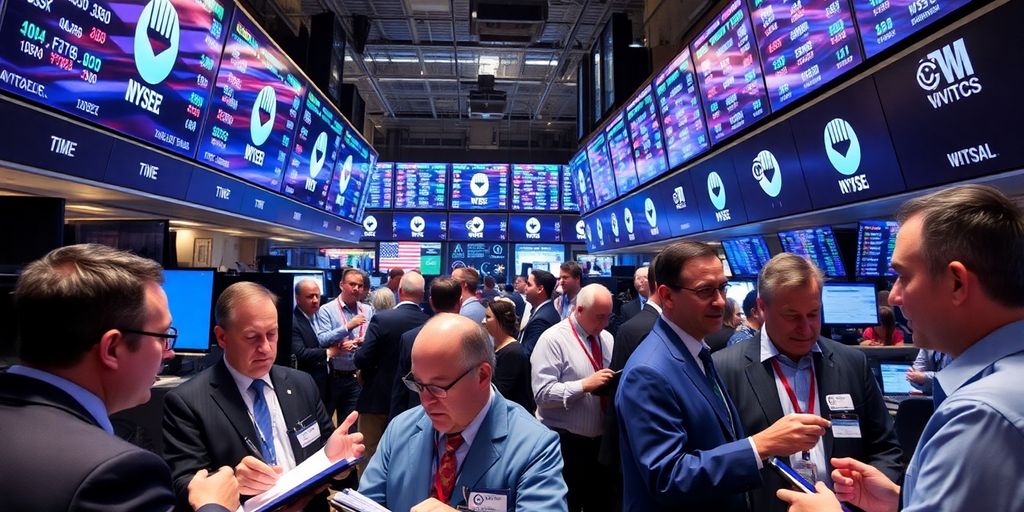
Market makers play a critical role in boosting liquidity in options markets. By continuously quoting buy and sell prices, they ensure that there’s always someone ready to take the other side of a trade. This reduces the bid-ask spread, making it easier and cheaper for traders to enter and exit positions. Market makers provide a buffer against market volatility, ensuring smoother price movements and more stable markets.
Policy Interventions
Regulatory bodies can implement policies to foster liquidity. These might include incentives for market makers or rules that encourage transparency and fair trading practices. Policies that reduce transaction costs or provide tax benefits for certain trades can also make markets more attractive to participants, thereby increasing liquidity.
Technological Innovations
Advancements in technology have a profound impact on market liquidity. High-frequency trading algorithms, for instance, can execute trades in milliseconds, providing liquidity and narrowing spreads. Blockchain technology also offers potential by enhancing transparency and trust in transactions. As technology evolves, it brings about new tools and platforms that can significantly improve liquidity in options markets.
The quest for liquidity in options markets is ongoing. While challenges remain, the combination of market maker activities, thoughtful policy interventions, and cutting-edge technology holds promise for creating more liquid and efficient markets.
Challenges in Maintaining Liquidity
Identifying Liquidity Gaps
In the world of options trading, liquidity gaps can pop up unexpectedly, creating hurdles for traders. These gaps often result from sudden market shifts or unexpected economic events. Recognizing these gaps early is crucial, as they can lead to increased costs and risks for traders. Identifying liquidity gaps requires constant monitoring of market conditions and trading volumes. It’s like trying to find a needle in a haystack, but it’s essential for maintaining smooth market operations.
Addressing Low Liquidity Issues
When liquidity is low, trading becomes more difficult and expensive. Traders might face wider bid-ask spreads, meaning they pay more to enter or exit positions. To tackle low liquidity, exchanges and market participants often work together. They might introduce incentives for market makers or tweak trading rules to encourage more activity. It’s a bit like greasing the wheels of a machine to keep it running smoothly.
Balancing Liquidity and Stability
Finding the right balance between liquidity and market stability is a delicate act. Too much liquidity can lead to excessive speculation, while too little can stifle trading activity. Regulators and market operators must ensure that policies promote a stable yet liquid environment. This balance is key to preventing market disruptions and ensuring that the options market remains a viable place for hedging and investment strategies.
Maintaining liquidity in options markets is like walking a tightrope. Too much or too little can lead to instability, impacting traders at every level. It’s a constant challenge, requiring vigilance and adaptability.
In conclusion, maintaining liquidity in options markets involves identifying gaps, addressing low liquidity, and balancing it with stability. It’s a dynamic process that demands attention and strategic planning from all market participants.
The Future of Liquidity in Options Trading

Emerging Trends in Liquidity
Options trading is evolving, with liquidity playing a central role. Market participants are increasingly focusing on liquidity metrics like trading volume and bid-ask spreads to make informed decisions. As technology advances, we see a shift towards more automated trading systems that aim to enhance liquidity by facilitating faster and more efficient transactions. This trend is likely to continue, with algorithms and AI driving the future of trading.
Technological Advancements
Technology is reshaping how we view liquidity in options markets. High-frequency trading, blockchain, and machine learning are just a few innovations making waves. These technologies are not only improving transaction speeds but also increasing transparency and reducing costs. With such advancements, traders can expect more seamless access to liquidity, which could transform traditional trading strategies.
Global Market Influences
Liquidity in options trading isn’t just a local phenomenon; global markets heavily influence it. Economic policies, geopolitical events, and cross-border regulations all play a part. As markets become more interconnected, traders must be aware of how these external factors can impact liquidity. For instance, regulatory changes in one country might affect trading volumes and liquidity in another, emphasizing the need for a global perspective.
As we look to the future, it’s clear that staying ahead in options trading requires a keen eye on liquidity. Embracing new technologies and understanding global influences will be key to navigating this ever-evolving landscape.
To avoid the common pitfalls in options trading, it’s crucial to focus on options with adequate liquidity and be mindful of technological and regulatory shifts that could impact your strategies.
As we look ahead, the world of options trading is evolving rapidly. Understanding how liquidity will change can help you make smarter trading choices. Don’t miss out on the chance to learn more about this exciting future! Visit our website today to explore valuable resources and start your journey toward financial freedom!
Conclusion
In the end, liquidity in options markets isn’t just a fancy term for traders to throw around. It’s a real game-changer. When there’s plenty of liquidity, it means you can buy or sell options without causing a big stir in prices. That’s a big deal for anyone looking to make quick moves or adjust their strategies on the fly. Plus, it keeps the market stable, which is good for everyone involved. Without enough liquidity, things can get messy fast, like during the financial crisis when big names like Lehman Brothers went under. So, whether you’re a seasoned trader or just starting out, keeping an eye on liquidity can make all the difference in your trading success.
Frequently Asked Questions
What is liquidity in options markets?
Liquidity in options markets means how easy it is to buy or sell options without causing big changes in their prices. It’s like how quickly you can trade options for cash.
Why is liquidity important for investors?
Investors care about liquidity because it helps them sell their options quickly without losing a lot of money. This makes options more attractive to buy and hold.
How is liquidity measured in options markets?
Liquidity is measured using metrics like trading volume, open interest, bid-ask spread, and implied volatility. These help show how active and stable the market is.
What factors affect liquidity in options trading?
Market conditions, economic factors, and regulations can all impact liquidity. For instance, changes in the economy or new rules can make trading easier or harder.
How does liquidity help in risk management?
Liquidity helps manage risk by allowing traders to quickly buy or sell options, which can protect them from big losses when the market changes.
What challenges exist in maintaining liquidity?
Challenges include identifying gaps where liquidity is low and finding ways to keep the market stable while ensuring there are enough buyers and sellers.