
So, you’re thinking about trading, maybe weekly trades? It sounds exciting, right? But let me tell you, the market isn’t just about charts and numbers. There’s a whole lot going on inside your head that really matters. It’s like trying to fix a bike without knowing anything about gears – you’ll just end up frustrated. We’re going to talk about the psychology of weekly trading, basically, how your mind works when you’re in the market, and how to get it working for you instead of against you. It’s not always easy, and trust me, I’ve had my share of messy trading days, but understanding this stuff can make a big difference.
Key Takeaways
- Your mindset is a huge part of trading success, maybe even more than knowing market trends.
- Trading can mess with your head, bringing up feelings like fear and greed that can lead to bad choices.
- Being tough mentally means you can handle losses and keep going without getting too down.
- Knowing yourself as a trader helps you pick strategies that actually fit who you are.
- Sticking to a plan and being disciplined in your trading, and even your daily life, really pays off.
Understanding the Core of Trading Psychology
Trading isn’t just about charts and numbers; a huge part of it happens right between your ears. Think of it like this: you can have the best tools and a solid plan, but if your head isn’t in the right place, things can go sideways fast. It’s about understanding how your own thoughts and feelings can either help you or completely sabotage your efforts in the market. Many people who don’t do well in trading aren’t necessarily bad at picking stocks, they just haven’t figured out the mental game yet.
The Mindset of Successful Traders
What separates the traders who consistently make money from those who struggle? It often comes down to their mindset. Successful traders tend to be patient, disciplined, and have a long-term view. They don’t get overly excited by big wins or devastated by losses. Instead, they focus on sticking to their strategy and learning from every trade, win or lose. They understand that trading is a marathon, not a sprint, and that consistent application of a sound methodology is key. This mental toughness isn’t something you’re born with; it’s developed over time.
Why a Strong Trading Mindset is Crucial
A strong trading mindset acts as your shield against the market’s natural volatility and the emotional rollercoaster that comes with it. Without it, you’re vulnerable to making impulsive decisions driven by fear or greed. These emotional reactions can lead to costly mistakes, like chasing losses or exiting profitable trades too early. Building this mental resilience helps you stay objective, stick to your plan even when things get tough, and ultimately improve your chances of achieving your financial goals. It’s about creating a stable internal environment regardless of external market noise.
The Impact of Psychology on Trading Success
Your psychology directly influences every decision you make. If you’re feeling anxious, you might avoid taking a good trade. If you’re overconfident after a few wins, you might take on too much risk. This is where understanding your own emotional triggers becomes so important. For instance, the fear of missing out (FOMO) can push you into trades without proper analysis, while the desire to avoid admitting a mistake can lead to holding onto losing positions for too long. Learning to manage these internal forces is just as important as understanding technical analysis.
Trading success is a blend of technical skill and psychological mastery. Ignoring the latter is like trying to build a house on a shaky foundation – it’s bound to crumble under pressure.
Navigating Emotional Pitfalls in Trading
Trading can feel like a rollercoaster, and a lot of that is down to our own heads. When things get heated in the market, it’s easy for emotions like fear and greed to take over, messing with our ability to make smart choices. It’s like trying to read a map during an earthquake – pretty tough to focus.
Recognizing and Avoiding Psychological Hazards
There are a bunch of common mental traps that can trip up even experienced traders. One big one is the fear of missing out, or FOMO. You see a stock shooting up, and suddenly you feel this urge to jump in, no matter what your plan says. Then there’s the opposite: getting too attached to a losing trade, hoping it’ll magically turn around. This often leads to ignoring your stop-loss orders, which is a fast track to bigger losses. We also see people chasing losses, trying to win back money they just lost, which usually just digs the hole deeper. And don’t forget the herd mentality – just doing what everyone else seems to be doing without thinking for yourself. It’s important to know these pitfalls so you can spot them when they happen.
The Danger of Revenge Trading and Overtrading
Revenge trading is what happens when you lose money and then immediately try to make it back with a rash, often bigger, trade. It’s driven by frustration and a desire to prove the market wrong, not by a solid plan. This can quickly spiral into overtrading, where you’re just making too many trades, often without good reason. Every trade costs money in fees and slippage, so constantly trading just eats away at your profits. Plus, it’s exhausting and makes it harder to think clearly about your next move. It’s better to step away, regroup, and stick to your strategy than to fall into this cycle.
Managing Fear and Greed for Consistent Profits
Fear and greed are probably the most powerful emotions in trading. Fear can make you exit winning trades too early, scared that the profits will disappear. Greed can make you hold onto losing trades for too long, hoping they’ll turn around, or jump into trades without proper checks because you want that quick win. The key is to acknowledge these feelings without letting them dictate your actions. Think of it like this: you’re the driver, and your emotions are passengers. You can listen to them, but you’re the one holding the steering wheel. Sticking to a well-thought-out trading plan, using stop-losses, and having a clear idea of your risk tolerance are your best tools for keeping these emotions in check. Learning about weekly options trading can also help you understand the fast-paced nature of some markets and how to approach them with a calm mind.
Building Mental Fortitude for the Markets
Building a strong mental game is just as important as understanding charts and indicators. It’s about developing that inner toughness that lets you handle the market’s wild swings without falling apart. Think of it like training for a marathon; you wouldn’t just show up on race day without preparing your body, right? Your mind needs that same kind of preparation.
Cultivating Resilience Through Setbacks
Losing trades are a part of trading, plain and simple. What separates the pros from the rest is how they bounce back. Instead of dwelling on a loss, successful traders see it as a learning opportunity. They analyze what went wrong, adjust their approach, and move on. It’s about developing a thick skin and a forward-looking perspective. This resilience helps you avoid getting stuck in a negative loop after a bad trade. It’s about understanding that one loss doesn’t define your entire trading career. You need to be able to pick yourself up, dust yourself off, and get back to the plan.
Developing Emotional Intelligence in Trading
Emotional intelligence, or EQ, is your ability to understand and manage your own emotions, and to recognize and influence the emotions of others. In trading, this means being aware of when fear or greed is creeping in and taking over your decision-making. It’s about recognizing that feeling of panic when the market drops, or that urge to chase a stock that’s already run up. Developing your EQ helps you make more rational choices, rather than impulsive ones driven by fleeting feelings. It’s a skill that can be learned and improved over time, much like any trading technique. Learning mental strategies to effectively manage emotions is key to staying focused.
The Role of Mindfulness in Trading Decisions
Mindfulness is about being present in the moment, without judgment. For traders, this means paying attention to your current trade, your strategy, and your emotional state, without getting lost in what might happen or what happened yesterday. It helps you detach from the outcome of any single trade and focus on executing your plan consistently. When you’re mindful, you’re less likely to make impulsive decisions based on fear or excitement. It’s a way to quiet the noise and focus on what’s actually happening in the market and within yourself. This practice can lead to more objective decision-making.
Here are a few ways to integrate mindfulness:
- Daily Meditation: Even 5-10 minutes can make a difference.
- Mindful Breathing: Take a few deep breaths before making a trade.
- Body Scan: Notice any physical tension you’re holding during trading.
- Journaling: Reflect on your emotional state during trades.
Building mental fortitude isn’t about eliminating emotions; it’s about learning to manage them so they don’t manage you. It’s a continuous process of self-awareness and adjustment.
Strategies for Enhancing Trading Psychology
Sometimes, the biggest hurdles in trading aren’t the market itself, but what’s going on inside your head. We all know that feeling – a trade goes south, and suddenly you’re itching to jump back in, maybe a bit too aggressively, to make up for it. That’s where understanding how to manage your own mental game really comes into play. It’s about building up your mental toughness so you can handle the inevitable ups and downs without letting emotions steer the ship.
Cognitive Reframing for Stressful Situations
Think about how you react when a trade doesn’t go as planned. Instead of seeing it as a personal failure, try to reframe it. What if you looked at it as a learning opportunity? Maybe the setup was flawed, or your entry wasn’t quite right. Shifting your perspective from ‘I lost money’ to ‘I learned how to avoid this mistake next time’ can make a huge difference. This mental adjustment helps reduce the sting of losses and keeps you focused on the process, not just the outcome. It’s a bit like looking at a flat tire not as the end of your journey, but as a chance to practice changing a tire.
Practical Exercises for Mental Resilience
Building resilience isn’t just about thinking differently; it’s also about doing things differently. Keeping a trading journal is a big one. Seriously, write down your trades, why you took them, how you felt, and what happened. Reviewing this later can highlight patterns in your behavior that you might not notice otherwise. Another good practice is mindfulness meditation. Even just a few minutes a day can help you stay present and less reactive to market noise. It’s about training your brain to stay calm and focused, much like how athletes train their bodies. You can also try visualizing successful trades beforehand; it primes your mind for positive action. These aren’t magic bullets, but consistent practice really does build up your mental fortitude over time. It’s about developing a solid routine that supports your trading goals.
The Power of a Trading Journal
Your trading journal is more than just a record; it’s your personal trading diary and a powerful tool for self-improvement. It’s where you can track not only your wins and losses but also your emotional state during each trade. Did you feel anxious before entering? Were you overconfident after a few wins? By documenting these details, you start to see your own psychological patterns. This self-awareness is key to identifying and correcting behaviors that might be holding you back. For instance, you might notice you tend to overtrade when you’re bored or chase trades when you feel FOMO (fear of missing out). Recognizing these triggers is the first step to managing them. A well-maintained journal can help you stick to your trading plan and make more objective decisions, which is vital for long-term success in the markets. It’s a great way to learn from your experiences and refine your approach, much like how traders use a trading plan to guide their actions.
Self-Awareness and Goal Setting in Trading
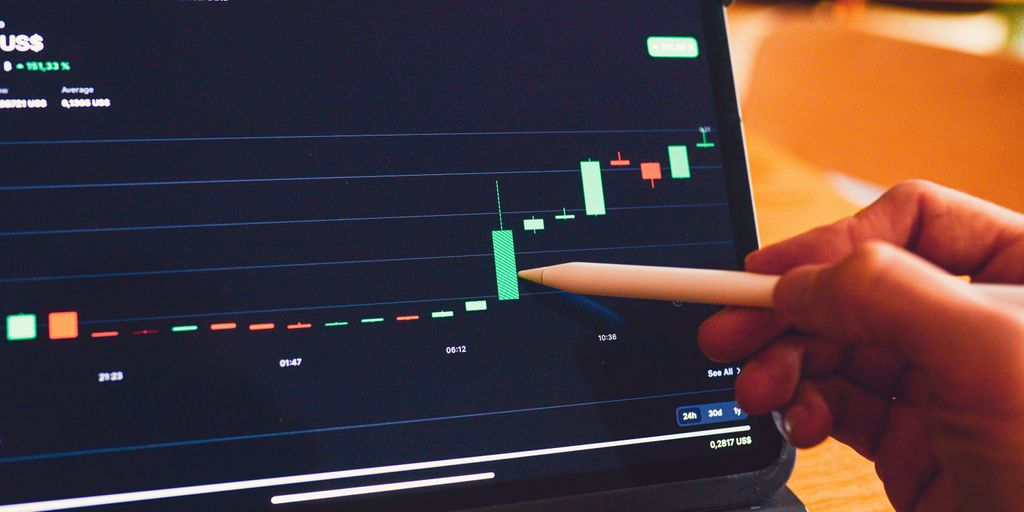
Knowing yourself is a big part of trading. It’s not just about charts and numbers; it’s about understanding your own reactions and what makes you tick. If you don’t know your own tendencies, you’re likely to repeat mistakes. Think about it like this: you wouldn’t try to run a marathon without knowing your physical limits, right? Trading is similar, but it’s your mental and emotional limits you need to understand.
Knowing Your Unique Trader DNA
Everyone’s wired a bit differently. Some people can handle big swings without batting an eye, while others get stressed by even small dips. Identifying your personal trading DNA means looking at things like how much risk you’re comfortable with, how you tend to react when things go south, and what your natural strengths and weaknesses are. Are you a quick decision-maker, or do you prefer to analyze every little detail? Understanding this helps you pick strategies that actually fit you, rather than trying to force yourself into a mold that doesn’t work.
Defining Realistic Trading Goals
Setting goals is important, but setting realistic ones is even more so. Instead of just saying "I want to make a million dollars," try focusing on things you can actually control. Maybe your goal is to improve your trade execution speed by 15% or to reduce the number of impulsive trades you make by half. These kinds of process-oriented goals are much more achievable and help build confidence over time. It’s about consistent improvement, not just hitting a big number right away. You can learn more about developing a trading plan that includes these kinds of goals on pages about weekly income from stocks.
Aligning Your Trading Style with Your Personality
Once you know yourself and have some realistic goals, you can start matching your trading style to your personality. If you’re someone who gets anxious with big price swings, maybe day trading isn’t for you. Perhaps a slower, more methodical approach like swing trading or even longer-term investing would be a better fit. Trying to be a scalper when you’re naturally cautious just isn’t going to work well. It’s about finding that sweet spot where your natural inclinations and your trading strategy work together smoothly.
The Importance of Discipline in Trading
Discipline in trading isn’t just about following rules; it’s about building a consistent, repeatable process that shields you from your own impulses. Think of it like training for a marathon – you wouldn’t just show up on race day without preparation. Trading requires that same level of structured commitment. Without it, even the best strategies can fall apart because emotions like fear and greed take over.
Establishing Protective Trading Habits
Building good habits is the bedrock of disciplined trading. These aren’t just suggestions; they’re your defense against costly mistakes. It’s about creating a routine that keeps you grounded, even when the market is throwing curveballs.
- Set clear entry and exit rules: Know exactly why you’re getting into a trade and, more importantly, when you’re getting out, win or lose.
- Define your risk per trade: Never risk more than a small, predetermined percentage of your capital on any single trade. This is a core part of risk management.
- Take regular breaks: Staring at screens for hours can lead to fatigue and poor decisions. Step away, clear your head, and come back with fresh eyes.
Discipline means doing what you know you should do, even when you don’t feel like it. It’s the bridge between your goals and your accomplishments.
The Link Between Lifestyle Discipline and Trading Success
It’s easy to think trading is just about market analysis, but your life outside the market plays a huge role. If your sleep is erratic, your diet is poor, or you’re constantly stressed, that bleeds directly into your trading decisions. A disciplined lifestyle supports a disciplined trading approach.
- Prioritize sleep: Aim for consistent, quality sleep. It directly impacts your focus and decision-making ability.
- Maintain physical health: Regular exercise helps manage stress and improves cognitive function.
- Manage your time: Structure your day to include analysis, trading, review, and personal time. Avoid letting trading consume your entire life.
Setting Daily Profit Targets and Loss Limits
These aren’t suggestions; they are hard stops. Having a daily profit target means you know when to walk away after a good day, preventing you from giving back gains. Equally important is a maximum daily loss limit. This stops you from chasing losses and digging a deeper hole when a bad day happens. It’s about protecting your capital and your mental state. For instance, you might decide you’ll stop trading for the day if you hit a 2% loss on your account, no matter what opportunities arise. This kind of boundary is what separates professionals from amateurs.
Mastering Your Trading Approach
Specializing in High-Probability Strategies
Look, nobody can be good at everything, right? Trading is no different. Instead of trying to learn every single trading setup out there, it’s way smarter to focus on a few strategies that really work for you. Think about it: if you can get really good at spotting and executing, say, three specific types of trades, you’re probably going to do better than someone who dabbles in ten different methods. It’s about quality over quantity. You want to build a solid base of knowledge for these chosen strategies, understanding all the little details that make them tick. This focused approach helps you build confidence and consistency.
Documenting Your Trading Process
This is where you become your own best teacher. You absolutely need to keep a trading journal, but not just a list of trades. You need to document why you took each trade, what your plan was, how you executed it, and what happened afterward. This means noting the setup, your entry and exit points, the size of the trade, and how you felt during it. Reviewing this journal regularly is how you spot patterns in your own behavior and refine your strategy. It’s like having a personal coach who never sleeps. You can see what’s working, what’s not, and where you’re making the same mistakes over and over. This detailed record-keeping is key to improving your edge and making sure you don’t repeat costly errors. It’s a big part of developing a repeatable process for success.
Continuous Learning and Adaptability
The markets are always changing, and if you’re not changing with them, you’re going to get left behind. What worked last year might not work today. So, you have to commit to always learning. This means reading books, following market news, maybe even taking courses or talking to other traders. But it’s not just about learning new things; it’s about being flexible enough to adapt your own approach when the market conditions shift. You can’t be rigid. If your current strategy isn’t performing well, you need to be willing to tweak it or even switch to something else that fits the current environment better. Staying curious and open to new ideas is how you keep your trading sharp over the long haul. It’s about finding strategies that fit the current market, like selling options weekly for income when conditions are right.
Ready to get better at trading? Our easy-to-follow lessons make learning about options simple, even if you’re just starting out. You can learn how to make your money grow with smart trading moves. Want to see how it’s done? Visit our website to start your free training today and begin building a brighter financial future!
Your Trading Journey: Mind Over Market
So, we’ve talked a lot about how your head really matters when you’re trading. It’s not just about picking the right stocks or knowing when to buy and sell. Honestly, a lot of it comes down to how you handle things mentally. Remember those common traps like revenge trading or getting too scared to cut a losing trade? Knowing about them is the first step. Then, building habits like setting limits, taking breaks, and just staying aware of your feelings can make a big difference. It’s about being disciplined not just with your trades, but with your whole life – getting enough sleep, eating well, and managing stress. Think of it like training for a marathon; you need to prepare your body and your mind. Keep learning, stay aware of your own tendencies, and don’t be afraid to adjust your approach. Trading is a journey, and getting your mind right is a huge part of finding success.
Frequently Asked Questions
What exactly is trading psychology?
Think of trading psychology as your mind’s game plan for the market. It’s all about staying calm, making smart choices, and not letting your feelings get the best of you when you’re buying or selling stocks. Successful traders are like mental athletes; they train their minds to handle the ups and downs.
Why is having a good trading mindset so important?
It’s super important because the stock market can be a wild ride! Without a strong mindset, you might make rash decisions, get scared easily, or become too greedy, which often leads to losing money. A good mental game helps you stick to your plan and make better choices, even when things get shaky.
What are some common mental mistakes traders make?
Common traps include getting upset after a loss and trying to win it back quickly (that’s revenge trading), or making too many trades just because you’re bored or scared you’ll miss out (overtrading). Also, letting fear stop you from making a good trade or greed make you hold on too long are big problems.
How can I become mentally tougher as a trader?
You can build mental strength by practicing things like mindfulness, which means staying focused on the present moment. Keeping a trading journal is also great; it’s like a diary where you write down your trades and how you felt, so you can learn from your mistakes and successes.
How do I figure out my own trading style and set goals?
First, get to know yourself! Are you someone who likes taking big risks, or do you prefer to play it safe? Figure out what kind of trading fits your personality. Then, set goals that are realistic, like improving one specific skill instead of just aiming to make a ton of money right away.
What does it mean to be disciplined in trading?
Discipline is like having rules for yourself and sticking to them. This means having a routine, like always checking the market at a certain time, and setting limits, such as deciding you’ll stop trading for the day if you lose a certain amount. It’s like building good habits that help you stay on track.