
Learning how to practice options trading can seem tricky at first, but with the right approach, anyone can get a handle on it. This article will walk you through the basics, give you some solid trading tips, and show you how to get started, even if you’re a beginner. We’ll cover everything from understanding what options are to managing your trades like a pro.
Key Takeaways
- Options let you buy or sell an asset at a set price by a certain date.
- You can start trading options by opening an account, then picking between puts or calls, and setting the right strike price and timeframe.
- Options can move fast, which means you can make or lose money quickly.
- Always try to balance the potential for big gains with the risks involved.
- It’s smart to start with a clear plan and keep learning as you go to avoid common mistakes.
Understanding the Fundamentals of Options Trading
Defining Options and Their Purpose
Okay, so what are options anyway? Basically, an option is a contract that gives you the right, but not the obligation, to buy or sell an underlying asset at a specific price on or before a certain date. Think of it like a coupon for stocks. You pay a small amount now (the premium) for the chance to buy or sell something later at a set price. If the price moves in your favor, you can use the option and make a profit. If it doesn’t, you only lose the premium you paid. The main purpose? Options let you speculate on the direction of a stock without actually owning the stock itself. They can also be used to protect your existing investments. It’s like insurance for your portfolio.
Key Differences Between Stocks and Options
Stocks and options are different. Stocks represent ownership in a company, while options are contracts based on the value of those stocks. Here’s a quick rundown:
- Ownership: Stocks give you a piece of the company; options don’t.
- Cost: Options are cheaper than stocks, letting you control more shares with less capital.
- Risk: Options can have higher risk because they expire. If the price doesn’t move as expected, they become worthless.
- Leverage: Options offer leverage, meaning a small price change can lead to big gains (or losses).
- Income: Stocks can pay dividends; options don’t.
The Role of Strike Price and Expiration
Strike price and expiration date are two important things in options trading. The strike price is the price at which you can buy (for a call option) or sell (for a put option) the underlying asset. The expiration date is the last day the option is valid. After that, it’s worthless. Choosing the right strike price and expiration date is important. If you think a stock will go up a lot in the next month, you might buy a call option with a strike price slightly above the current price and an expiration date a month away. If you’re wrong and the stock doesn’t move, your option expires, and you lose your premium. Understanding basic options trading is key to making smart choices here.
Options trading can seem complicated at first, but understanding these basics is important. It’s like learning the rules of a game before you start playing. Take your time, do your research, and don’t be afraid to ask questions. Once you get the hang of it, options can be a powerful tool in your investment strategy.
Getting Started with Options Trading
So, you’re thinking about getting into options trading? It can seem intimidating at first, but breaking it down into steps makes it way more manageable. It’s like learning to ride a bike – wobbly at the start, but eventually, you get the hang of it. Let’s walk through the basics to get you rolling.
Opening an Options Trading Account
First things first, you’ll need an account that allows options trading. Not all brokerage accounts are created equal. Some only let you trade stocks and ETFs. You’ll need to find one that specifically supports options. When you apply, be prepared to answer some questions about your investment experience and risk tolerance. They need to make sure you understand what you’re getting into. Different brokers have different requirements, so shop around and see what fits you best. You might need to get approved for margin, depending on the options trading strategies you plan to use.
Choosing Between Puts and Calls
Okay, now for the fun part: puts and calls. A call option gives you the right, but not the obligation, to buy a stock at a certain price (the strike price) before a certain date (the expiration date). You’d buy a call if you think the stock price is going up. A put option gives you the right to sell a stock at a certain price before a certain date. You’d buy a put if you think the stock price is going down. Understanding this difference is key. It’s like betting on whether a coin will land on heads or tails. Choose wisely!
Setting Appropriate Strike Prices and Timeframes
Choosing the right strike price and timeframe can feel like trying to predict the future. The strike price is the price at which you can buy (with a call) or sell (with a put) the underlying asset. If you think a stock currently at $50 will jump to $60 soon, you might buy a call option with a strike price of $55. The timeframe is how long your option lasts. Options expire, so you need to pick an expiration date that gives your prediction enough time to play out. Shorter timeframes are cheaper but riskier; longer timeframes are more expensive but give you more wiggle room. It’s a balancing act.
Think of it like this: you’re not just betting on if a stock will move, but when and by how much. It adds a whole new layer of complexity, but also a whole new layer of potential reward. Start small, learn as you go, and don’t bet the farm on any single trade.
Exploring Basic Options Strategies
Okay, so you’re ready to move beyond just understanding what options are and actually start trading them. That’s awesome! But before you jump into the deep end, let’s look at some basic strategies. These are the building blocks for more complex stuff later on, and it’s important to get a handle on them first. Think of it like learning to ride a bike – you start with training wheels before trying to do wheelies, right?
Introduction to Common Options Strategies
There are a few common strategies that most beginners start with. These include buying calls, buying puts, covered calls, and cash-secured puts. Each has its own risk/reward profile, and it’s important to understand them. The goal here isn’t to get rich quick, but to learn how these strategies work in practice.
Strategies for Beginners
Let’s break down a couple of beginner-friendly strategies:
- Buying Calls: This is a pretty straightforward strategy where you buy a call option, hoping the underlying asset’s price will increase. Your profit is potentially unlimited, but your loss is limited to the premium you paid for the option.
- Buying Puts: Similar to buying calls, but you’re betting the price of the underlying asset will decrease. Again, your loss is limited to the premium.
- Covered Calls: This involves owning shares of a stock and selling a call option on those shares. It’s a more conservative strategy that can generate income, but it also limits your potential upside. If you want to hedge your portfolios, this is a good strategy.
Managing Risk in Simple Strategies
Risk management is super important, even with simple strategies. Here are a few things to keep in mind:
- Position Sizing: Don’t put all your eggs in one basket. Limit the amount of capital you allocate to any single trade.
- Stop-Loss Orders: Consider using stop-loss orders to automatically exit a trade if it moves against you. This can help limit your losses.
- Understanding Breakeven Points: Know the price at which your option needs to be for you to start making a profit. This helps you assess the potential risk and reward of a trade.
It’s easy to get caught up in the excitement of options trading, but always remember to manage your risk. Don’t trade with money you can’t afford to lose, and always have a plan in place before entering a trade.
Advanced Options Trading Techniques
Alright, so you’ve got the basics down. Now it’s time to crank things up a notch. Advanced options trading isn’t for the faint of heart, but it can open up some interesting possibilities if you know what you’re doing. It’s like going from driving a regular car to piloting a small plane – more controls, more risk, but also more potential.
Complex Options Strategies Explained
Okay, let’s talk about the fun stuff – complex strategies. These aren’t your simple calls and puts. We’re talking about iron condors, butterflies, strangles, and straddles. Each of these involves multiple options contracts, often with different strike prices and expiration dates. The goal? To profit from specific market conditions, like low volatility or a big expected move. For example, an iron condor is designed to make money when a stock stays within a certain range. It involves selling a call and a put, and then buying further out-of-the-money calls and puts to limit your risk. It sounds complicated, and well, it is. But the potential payoff can be worth the effort if you get it right. Understanding advanced multi-leg options strategies is key to managing risk effectively.
Utilizing Options for Speculation
Options can be a powerful tool for speculation. Instead of just buying a stock and hoping it goes up, you can use options to make bets on the direction of a stock, its volatility, or even its lack of movement. For example, if you think a stock is going to skyrocket, you could buy call options instead of buying the stock itself. This lets you control a larger number of shares with less capital. However, it’s a double-edged sword. If you’re wrong, you can lose your entire investment much faster than if you had just bought the stock. It’s all about risk management and understanding the potential outcomes.
Hedging with Options
Options aren’t just for making risky bets; they can also be used to protect your existing investments. This is called hedging. Let’s say you own a bunch of shares of a particular stock. You’re bullish on the company long-term, but you’re worried about a short-term dip. You could buy put options on that stock. If the stock price falls, the puts will increase in value, offsetting some of your losses. It’s like buying insurance for your portfolio. It costs money upfront (the premium you pay for the options), but it can save you a lot of grief if things go south.
Hedging with options is like having a safety net. It doesn’t guarantee you won’t fall, but it can soften the landing. It’s a smart move for anyone who wants to protect their portfolio from unexpected market downturns.
Here’s a quick rundown of hedging strategies:
- Protective Put: Buying puts to protect against a stock decline.
- Covered Call: Selling calls on stock you already own to generate income.
- Collar: Using a combination of puts and calls to protect profits and limit losses.
Why Consider Options Trading?

Potential for Accelerated Gains
Options trading can be attractive because of the potential for high percentage returns compared to simply buying or selling stock. Leverage is the name of the game here. With a relatively small amount of capital, you can control a larger position in an underlying asset. This means if you’re right about the direction of a stock, your profits can be significantly amplified. It’s like using a slingshot instead of throwing a rock; the same effort yields a much bigger result.
Understanding the Risks Involved
Of course, that leverage cuts both ways. It’s super important to understand that while your potential gains are magnified, so are your potential losses. Options can expire worthless if the underlying asset doesn’t move as expected, and you could lose your entire investment. It’s not like buying a stock and just holding on until it goes up. Options have a ticking clock, and that adds a layer of complexity and risk. Before you start, make sure you understand the basics of options.
Balancing Risk and Reward
Options trading isn’t just about chasing big wins; it’s about carefully managing risk and reward. Successful options traders use strategies to limit their potential losses while still participating in potential gains. This might involve using stop-loss orders, choosing appropriate strike prices, or using more complex strategies like spreads to define your risk. It’s a balancing act, and it requires a solid understanding of how options work and a disciplined approach to trading.
Options trading can be a powerful tool, but it’s not a get-rich-quick scheme. It requires education, discipline, and a willingness to learn from your mistakes. Don’t jump in without a plan, and always be prepared to lose what you invest.
Here’s a quick look at how risk and reward might play out in a simple call option:
- Potential Reward: Unlimited (the stock price could theoretically go to infinity).
- Maximum Risk: The premium you paid for the option.
- Breakeven Point: Strike price + premium paid.
- Time Decay: Options lose value as they approach expiration, regardless of stock movement.
Essential Trading Tips for Beginners
Starting with a Clear Strategy
It’s easy to get caught up in the excitement of options trading, but going in without a plan is a recipe for disaster. Before you place your first trade, define your goals. Are you looking for income, growth, or hedging? Your strategy should align with your risk tolerance and capital. Don’t just jump into trades based on tips or hunches. Consider exploring different options trading strategies for beginners to find one that suits your objectives.
- Clearly define your investment goals.
- Assess your risk tolerance.
- Choose a strategy that aligns with your goals and risk profile.
A well-defined strategy acts as your compass in the often-turbulent waters of options trading. It helps you stay focused, avoid impulsive decisions, and manage your risk effectively.
Importance of Continuous Learning
The world of options is constantly evolving. New strategies emerge, market conditions change, and regulations can shift. Continuous learning is not optional; it’s essential for staying ahead of the curve. Read books, follow reputable financial news sources, attend webinars, and analyze your own trades to identify areas for improvement.
- Read books and articles on options trading.
- Follow financial news and analysis.
- Analyze your past trades to learn from your mistakes and successes.
Avoiding Common Pitfalls
New options traders often fall into the same traps. Overtrading, failing to manage risk, and letting emotions dictate decisions are common mistakes. Avoid these pitfalls by sticking to your strategy, using stop-loss orders, and never investing more than you can afford to lose. It’s also important to understand how much money you need to start trading options.
- Avoid overtrading.
- Always use stop-loss orders.
- Never invest more than you can afford to lose.
Managing Your Options Portfolio
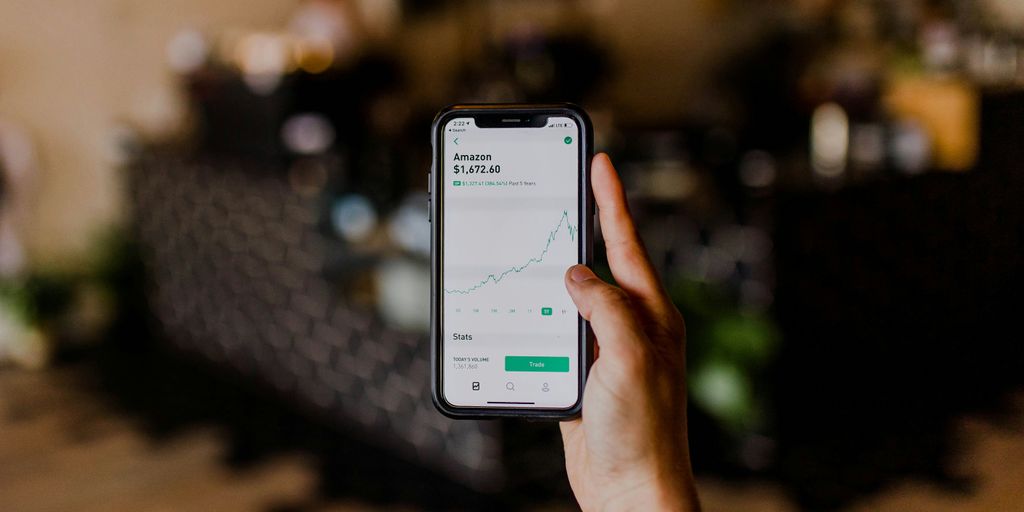
Alright, so you’ve dipped your toes into the options market. Now comes the part where you actually, you know, manage things. It’s not just about picking some calls and puts and hoping for the best. It’s about keeping an eye on your positions, adjusting when needed, and knowing when to take profits (or cut losses). Think of it like tending a garden – you can’t just plant the seeds and walk away.
Monitoring Open Positions
First things first, you gotta watch what’s going on. This means regularly checking your open positions. Don’t just set it and forget it. Keep an eye on the underlying asset’s price, the expiration date, and any news that might affect your options. I usually check mine at least once a day, sometimes more if things are volatile. It’s also important to understand how theta is eating away at your options value as expiration approaches. Here’s a quick rundown of what to keep track of:
- Underlying asset price
- Expiration date
- Volatility
- News events
Adjusting Strategies as Needed
Things change. Markets move. Your initial assumptions might not hold true. That’s why you need to be ready to adjust your strategies. Maybe you need to roll your options to a later expiration date, or adjust your strike prices. Or maybe you need to close out a losing position and move on. Don’t be afraid to make changes. Sticking to a losing strategy just because you don’t want to admit you were wrong is a recipe for disaster. Consider these scenarios:
- The underlying asset moves significantly against your position.
- Volatility increases or decreases dramatically.
- You need to free up capital for other opportunities.
Profit Taking and Loss Management
This is where the rubber meets the road. Knowing when to take profits and cut losses is crucial for long-term success. Have a plan in place before you even open a position. What’s your target profit? What’s your maximum acceptable loss? Stick to those levels. Don’t get greedy and don’t let losses run wild. It’s better to take a small loss than a big one. Some people use stop-loss orders to automatically close out positions if they reach a certain level. Others prefer to manually manage their positions. Here’s a simple table to illustrate:
| Scenario | Action |
|---|---|
| Profit Target Met | Take Profits |
| Stop Loss Hit | Cut Losses |
| Time Decay Severe | Consider Rolling/Closing |
Managing an options portfolio isn’t a walk in the park. It requires constant vigilance, a willingness to adapt, and a disciplined approach to profit taking and loss management. But with the right mindset and tools, it can be a rewarding experience. Remember to consider options-based strategies to improve portfolio outcomes.
Taking care of your options investments is super important. It’s like tending a garden; you need to know what to do to make it grow. If you want to learn how to make smart choices and keep your money safe, come visit our website. We have lots of easy-to-understand guides and tools to help you out. You can even get started with our free training!
Conclusion
So, that’s the deal with options practice. It’s not about finding some magic trick or shortcut. It’s more about getting your hands dirty, trying things out, and learning from what happens. Think of it like learning to ride a bike; you don’t just read about it, right? You get on, maybe fall a few times, and then you figure it out. The same goes for options. Start small, use those paper trading accounts, and don’t be afraid to mess up. That’s how you actually get better. It takes time, sure, but sticking with it and actually doing the work is what makes the difference in the end.
Frequently Asked Questions
What is options trading?
Options trading lets you buy or sell an asset at a set price by a certain date. It’s different from just buying stocks because it gives you more choices and ways to make money, but also comes with different risks.
How do I start options trading?
You can start trading options by opening a special account, deciding if you want to buy (calls) or sell (puts) options, and then picking the right price and time for your trade.
Can anyone trade options?
Yes, anyone can trade options, but some brokers might ask you to show you understand how it works before they let you. This is to make sure you know the risks involved.
Why should I trade options?
Options can help you make money faster than just buying stocks, but they also come with bigger risks. It’s important to understand both the good and bad sides before you start.
What are some common options strategies?
There are many ways to trade options, from simple ones for beginners to more complex ones. Some basic ones include just buying calls or puts, while advanced strategies might involve combining different types of options.
How much money do I need to trade options?
The amount of money you need to start trading options can vary a lot. Some strategies might require less money, while others, especially more complex ones, might need a larger investment. It’s best to start small and learn as you go.