
Starting out in the world of trading can feel a bit like stepping into a maze. It’s exciting but also a little intimidating. For beginners, diving straight into real trading can be risky and overwhelming. That’s where paper trading comes in handy. It’s like a sandbox where you can play around with trading strategies without the fear of losing real money. Think of it as a practice run before the real deal. With paper trading, you can explore, make mistakes, and learn from them, all in a risk-free environment. Whether you’re curious about stocks, options, or just want to get the hang of market dynamics, paper trading offers a safe space to build your skills and confidence.
Key Takeaways
- Paper trading is a great starting point for beginners to understand trading without any financial risk.
- It helps in building confidence and learning from mistakes without real-world consequences.
- Beginners can experiment with different strategies and find what works best for them.
- Understanding market dynamics becomes easier without the pressure of real money at stake.
- Transitioning to real trading becomes smoother once you’re comfortable with paper trading.
Understanding the Basics of Paper Trading

What is Paper Trading?
Paper trading is like a practice run for trading without using real money. Imagine trying out different strategies in the stock market but without the financial risk. It’s a simulation where you can place orders and see how they would play out in real market conditions. Initially, people used to jot down trades on paper, hence the name. Nowadays, with online platforms, it’s all digital. Paper trading allows individuals to buy and sell assets in real market conditions without financial risk, providing a practical way to practice trading strategies.
History and Evolution of Paper Trading
Back in the day, traders would scribble potential trades on notepads, tracking imaginary profits and losses. This old-school method has evolved significantly with technology. Now, online platforms offer sophisticated paper trading environments that mimic real trading conditions. These platforms make it easier for both new and experienced traders to test their skills and strategies without any actual financial exposure.
How Paper Trading Simulates Real Market Conditions
Paper trading platforms are designed to replicate the real market. They use real-time data and let you experiment with trades as if you were using actual money. While it’s a great tool for learning, remember there’s no real financial risk involved, which can sometimes lead to taking bigger risks than you would with real money. The key is to treat it seriously and use it as a stepping stone to understand market dynamics better.
Benefits of Paper Trading for Beginners
Risk-Free Learning Environment
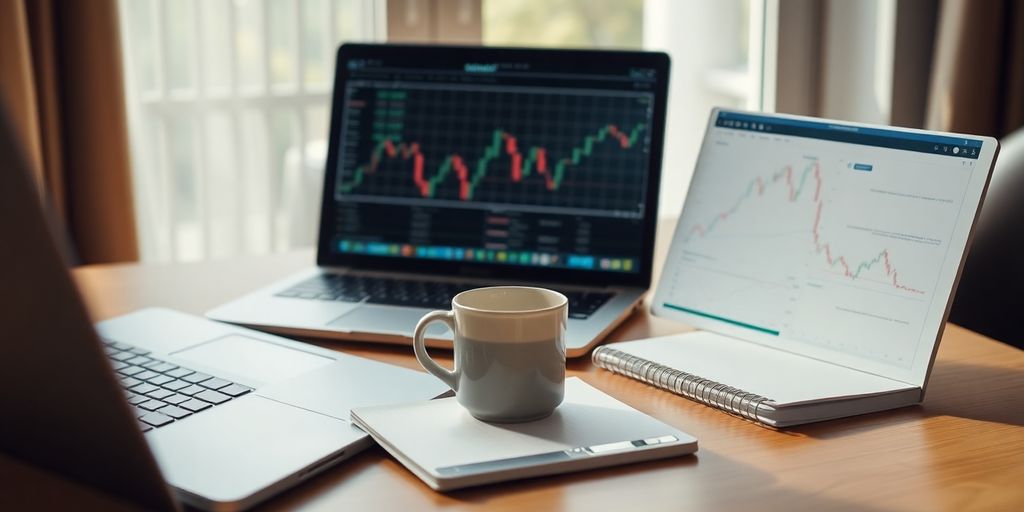
Paper trading offers a risk-free way to get your feet wet in the world of trading. It’s like a sandbox where you can learn without the fear of losing real money. This makes it perfect for beginners who are just starting out. You can make mistakes, try out different strategies, and learn from them without any financial consequences. Plus, it’s a great way to get familiar with how trading platforms work before you dive into the real thing.
Building Confidence Through Practice
Confidence is key when it comes to trading, and paper trading is a great way to build it. By practicing in a simulated environment, you can gain the confidence you need to make decisions in real-time. You’ll learn how to manage your trades, analyze market trends, and develop strategies that work for you. It’s like training wheels for traders. The more you practice, the more confident you’ll become.
Understanding Market Dynamics
Paper trading also helps you understand the dynamics of the market. You’ll get a feel for how prices move, how different factors affect the market, and how to read charts and indicators. It’s a hands-on way to learn about the market without the pressure of real money on the line. You can experiment with different approaches and see how they play out in a safe environment. This knowledge will be invaluable when you start trading with real money.
Paper trading is an essential step for anyone looking to enter the world of trading. It provides a safe space to learn, grow, and develop the skills needed for success in the real market. Don’t rush into live trading without first gaining experience through paper trading.
Setting Up Your Paper Trading Account
Choosing the Right Platform
Before diving into paper trading, you need to pick a platform that suits your needs. There are two main types to consider: online brokers and standalone trading simulators. For newbies, simulators might be the way to go since they’re designed purely for learning without any sales pitch attached. When selecting a platform, think about what you want to achieve. Are you looking to practice day trading with real-time data or just want a simple setup to get the hang of things? Consider if the platform offers features like historical data, replay capabilities, and realistic market simulations.
Configuring Realistic Trading Parameters
Once you’ve chosen a platform, it’s time to set it up. Configuring your account with realistic parameters is crucial. Start by setting a virtual balance that reflects what you might realistically trade with in the real world. Include simulated trading expenses and use realistic leverage. This approach helps you develop habits that will serve you well when you’re handling real money. Don’t forget to adjust your trading hours to match the actual market conditions you plan to trade in.
Exploring Platform Features
Now that your account is set up, take some time to explore the platform’s features. Press every button, pull every lever, and flip every switch. Ask yourself, "What does this do?" about everything you see. Try placing different kinds of orders and familiarize yourself with the interface. This is your sandbox, so make mistakes here rather than in real trading. Consider this an opportunity to get comfortable with the tools at your disposal, so when it comes time to trade for real, you’re not fumbling around trying to figure out how to place a stop-loss order.
Remember, setting up your paper trading account is just the beginning. It’s about creating a space where you can learn and grow without the financial risk. Treat your virtual portfolio as if it were real money, and you’ll be better prepared for the real thing.
For a step-by-step guide on setting up a paper trading account, check out the Advisor Portal where you can configure your account settings easily.
Developing Effective Trading Strategies

Experimenting with Different Approaches
When you’re just starting out with virtual currency, it’s smart to try out a bunch of trading strategies. Each one can teach you something new about how the markets work. You can test out day trading, swing trading, or even position trading without any real-world risk. It’s like a sandbox for traders. The best part? You can make all the mistakes you need without losing a dime.
Learning from Successful Traders
Check out what seasoned traders are doing. Many share their strategies online or through podcasts. You can pick up on their techniques and adapt them to your own style. Don’t just copy them though—understand why they do what they do. This insight can be a game-changer for your paper trading journey.
Keeping a Detailed Trading Journal
Keeping a journal is not just for writers. Track every trade you make, note down why you made it, and what the result was. Over time, this can reveal patterns in your behavior and help you refine your strategies. A simple table might look like this:
| Date | Asset | Strategy Used | Outcome |
|---|---|---|---|
| 01/21/2025 | Stock A | Day Trading | Profit |
| 01/22/2025 | Stock B | Swing Trading | Loss |
"A trading journal is your personal roadmap. It shows where you’ve been and where you might go."
By consistently experimenting, learning from experienced traders, and keeping a detailed record, you’ll develop a solid foundation for when you move on to real trading. Remember, paper trading is all about learning, so take the time to explore and understand each strategy you try.
Transitioning from Paper Trading to Real Trading
Evaluating Your Paper Trading Performance
Before you jump into real trading, take a good look at how you’ve been doing with paper trading. Analyze your performance by checking out your trading journal. Look for patterns—both good and bad. Did you make the same mistake over and over? Or did you find a strategy that worked well? Make sure you understand why things happened the way they did. This way, you can carry over the good stuff and leave the bad habits behind.
Adjusting Strategies for Real Market Conditions
Once you know what worked and what didn’t, it’s time to tweak your strategies for the real world. Start by identifying any shortcomings in your paper trading approach. Maybe you were too aggressive or too cautious. Learn from these and incorporate changes. Test these adjustments in a paper trading environment again if needed. Remember, the real market has its own quirks and challenges. Explore the key differences between real and paper trading to get a better idea of what to expect.
Preparing Emotionally for Real Trading
Trading with real money is a whole different ballgame. The stakes are higher, and so are the emotions. It’s easy to panic when things don’t go your way, so it’s crucial to prepare yourself mentally. Develop self-discipline to stick to your plan, even when things get tough. Set rules for taking profits and cutting losses, and don’t let greed or fear sway your decisions. Think of it like training for a marathon—consistent practice and mental preparation are key to success.
Transitioning from paper to real trading is like moving from practice games to the championship. The pressure’s on, but with the right mindset and preparation, you’re ready to take on the challenge.
Moving from paper trading to real trading can feel like a big step. It’s important to be ready and understand the differences. Start by practicing what you’ve learned and take small risks. If you’re eager to learn more about trading and how to make it work for you, visit our website for free training and resources. Don’t wait—take action today!
Conclusion
Starting your trading journey with paper trading is like having a safety net. You get to try out different strategies and learn the ropes without the fear of losing real money. It’s a great way to build confidence and understand how the market works. Remember, though, that while paper trading is a fantastic learning tool, it doesn’t completely mimic the real deal. The emotions and pressures of actual trading aren’t there, so keep that in mind when you make the switch. Take your time, learn from your mistakes, and when you’re ready, step into the real market with a bit more knowledge and a lot more confidence.
Frequently Asked Questions
What exactly is paper trading?
Paper trading is a way to practice buying and selling stocks without using real money. It’s like a game where you can learn how the stock market works without any risk.
Why should beginners try paper trading first?
Beginners should start with paper trading because it’s a risk-free way to learn about the stock market. You can practice and make mistakes without losing any real money.
Can I use the same strategies in paper trading as in real trading?
Yes, you can try out the same strategies in paper trading as you would in real trading. It’s a great way to see if your ideas might work before you use real money.
How do I start paper trading?
To start paper trading, you need to choose a platform that offers this feature. Set up a virtual account and begin placing trades as if they were real.
Does paper trading feel the same as real trading?
Not exactly. While paper trading is a good practice, it doesn’t include the emotional stress of using real money. It’s important to remember that real trading can be more intense.
What are some tips for getting the most out of paper trading?
Treat it seriously, use realistic settings, and keep a journal of your trades. This will help you learn and prepare for real trading.