
Moving from paper trading to live trading is a big deal for anyone learning about the market. When you start trading with real money, things get faster, emotions kick in, and there are actual results. It’s not just about clicking a “buy” button; it’s about how you think, how disciplined you are, and being ready for the real ups and downs of the market. In this guide, we’ll go over everything you need to know about making this switch. We’ll cover how to get ready, what steps to take, common mistakes to avoid, and how to approach live markets with a clear head.
Key Takeaways
- Paper trading helps you learn without risking money.
- Before going live, practice until you get good results consistently.
- Start live trading with only a small amount of money.
- Always stick to your trading plan, even when things get tough.
- Don’t forget about fees and taxes; they add up in real trading.
Understanding Paper Trading for Options Beginners
Defining Paper Trading and Its Purpose
Okay, so what is paper trading? Basically, it’s like a flight simulator for trading options. You get to play the market without risking any real money. Think of it as a practice ground where you can test out different strategies, get a feel for how the market moves, and learn the ropes without the fear of losing your shirt. It’s especially useful for options, which can be a bit complex for beginners. You can use forex paper trading to get a feel for the market.
Benefits of Demo Accounts for New Traders
Demo accounts are awesome for new traders. Here’s why:
- Risk-Free Learning: You can make mistakes without financial consequences. This is huge when you’re starting out and still figuring things out.
- Strategy Testing: You can try out different options strategies to see what works best for you. Do you like covered calls? Straddles? Now’s the time to experiment.
- Platform Familiarization: You get to learn how to use the trading platform without the pressure of real money. This includes placing orders, reading charts, and using technical indicators.
Paper trading lets you get comfortable with the mechanics of trading and develop a solid understanding of market dynamics before you put real capital at risk. It’s about building a foundation of knowledge and experience.
Testing Strategies Without Financial Risk
This is where the real magic happens. Paper trading allows you to rigorously test your trading strategies. You can backtest them against historical data, forward-test them in real-time market conditions, and tweak them as needed. It’s all about finding a strategy that fits your risk tolerance, capital, and trading style. You can also refine already working strategies in a demo account. It’s important to remember that paper trading is not a perfect simulation of live trading, but it’s the best way to get started.
Preparing for Live Trading Success
Before jumping into live trading, it’s important to get ready. Paper trading is great, but it doesn’t fully show what it’s like to risk real money. Getting ready helps with that difference.
Achieving Consistent Performance in Paper Trading
If you’ve been doing well with paper trading, make sure it’s not just luck. You need to check a few things. Have you been making profits consistently for a few months? Are you following your trading plan? If you’re all over the place, it might be time to rethink your strategy. It’s better to be consistently okay than randomly great.
Developing a Robust Trading Plan
Think of your trading plan as your blueprint for success. It should cover everything: what you’ll trade, when you’ll trade, and how much you’re willing to risk. A good plan also includes your entry and exit rules. Without a plan, you’re just gambling.
Here’s what a trading plan should include:
- Specific market conditions for entry
- Clear exit strategies (stop-loss and profit targets)
- Risk management rules (position sizing)
A trading plan isn’t just a document; it’s a commitment to a disciplined approach. It helps you stay focused and avoid emotional decisions.
Mastering Entry and Exit Rules
Entry and exit rules are super important. They tell you exactly when to get into a trade and when to get out. No guessing, no hoping. Just clear, pre-defined rules. For example, you might enter a trade when a stock breaks above a certain moving average and exit when it hits a specific profit target or stop-loss level. These rules keep your emotions in check and help you make rational decisions.
Key Steps to Transition from Paper to Live Trading
Okay, so you’ve been crushing it in paper trading. Now what? Moving to live trading is a big deal, and it’s not just about clicking the ‘buy’ button with real money. It’s about being smart, strategic, and ready for the real deal. Let’s break down the key steps to make this transition as smooth as possible.
Starting with a Small Capital Investment
Seriously, start small. Don’t jump in with a huge chunk of your savings. Think of it as dipping your toes in the water before diving into the deep end. Use an amount you’re totally okay with losing. This helps you get used to the emotional side of live trading without the stress of potentially losing a lot of money. It’s about learning the ropes, not making a fortune overnight. This is where you can really test your trading strategies.
Opening a Live Trading Account with a Trusted Broker
Choosing the right broker is super important. You want someone reliable, with a good platform, and reasonable fees. Do your homework. Read reviews, compare commissions, and make sure they’re regulated. A dodgy broker can ruin your trading experience before you even start. Look for a broker that offers the tools and support you need, especially as a beginner. Here are some things to consider:
- Platform usability: Is it easy to use?
- Customer support: Are they responsive and helpful?
- Fees and commissions: Are they competitive?
Sticking to Your Proven Trading Strategy
Don’t get fancy. Stick to what you know. If your paper trading strategy was working, keep using it in live trading. This isn’t the time to experiment with new, untested ideas. The market is different, and you need a solid foundation to build on. It’s easy to get caught up in the excitement of live trading, but discipline is key. Remember those entry and exit rules you developed? Follow them!
It’s easy to get sidetracked by the noise of the market, but sticking to your plan is what separates successful traders from those who just gamble. Don’t let emotions dictate your decisions. Stay focused, stay disciplined, and trust your strategy.
Navigating the Psychological Shift to Live Trading
Paper trading is great, but nothing really prepares you for the emotional rollercoaster of live trading. It’s one thing to see numbers change on a screen when it’s not real money, and another when it’s your hard-earned cash on the line. This section is all about getting your head in the right place.
Managing Emotions and Consequences
The biggest difference between paper and live trading is the emotional impact. Suddenly, losses hurt, and wins feel amazing. It’s easy to let these feelings drive your decisions, which is a recipe for disaster. You need to recognize these emotions and learn to control them. One way is to start small. Don’t risk a lot of capital until you’re comfortable with the emotional swings. Also, have a plan for dealing with losses. What will you do if you lose a certain amount in a day or week? Having these plans in place can help you stay calm and rational.
Building Discipline in Real Market Conditions
Discipline is key in live trading. It’s easy to get distracted or deviate from your trading plan when real money is involved. You might see a hot tip online and be tempted to jump in, even if it doesn’t fit your strategy. Or you might hold onto a losing trade for too long, hoping it will turn around. Sticking to your rules, even when it’s tough, is what separates successful traders from those who gamble.
- Set clear rules for yourself.
- Track your trades and analyze your decisions.
- Don’t let emotions dictate your actions.
Overcoming Overconfidence from Paper Trading
It’s easy to get overconfident after a string of successful paper trades. You might think you’ve cracked the code and are ready to make big money. But paper trading doesn’t always reflect real-world conditions. Slippage, brokerage fees, and the psychological pressure of real money can all impact your results. Don’t let paper trading success go to your head. Stay humble, keep learning, and be prepared to adapt your strategy as needed.
Remember, the market doesn’t care about your feelings or your past successes. It’s a constant learning process, and you need to be prepared to adapt and evolve. Stay focused on the process, not just the outcome, and you’ll be more likely to succeed in the long run.
Common Pitfalls to Avoid in Live Trading

Ignoring Brokerage Fees and Taxes
Paper trading is great because it doesn’t hit you with the real-world costs of trading. But once you go live, those fees and taxes start eating into your profits. It’s easy to overlook them, especially when you’re focused on the potential gains. Make sure you factor in brokerage commissions, exchange fees, and any applicable taxes in your trading calculations. These costs can significantly impact your bottom line, and not accounting for them is a quick way to deplete your capital.
Underestimating the Impact of Slippage
Slippage is the difference between the price you expect to get when you place an order and the price you actually get. It happens because market conditions can change rapidly, especially during volatile periods. In paper trading, you often get filled at the exact price you see on the screen, which isn’t always the case in live trading. Slippage can erode your profits or increase your losses, so it’s important to understand how it works and how to minimize its impact. Using limit orders instead of market orders can help, but it’s not a foolproof solution.
Failing to Track Every Trade
One of the biggest mistakes new live traders make is not keeping a detailed record of their trades. When you’re paper trading, it might seem less important, but once real money is involved, it’s essential. You need to know exactly what you’re doing right and wrong, and the only way to do that is to track every trade meticulously. This includes:
- The date and time of the trade
- The asset you traded
- Your entry and exit prices
- The size of your position
- Your profit or loss
- The reason for the trade
Keeping a trading journal is a great way to track your trades and identify patterns. It allows you to analyze your performance, learn from your mistakes, and refine your strategy over time. Without a trading journal, you’re essentially flying blind.
It’s also important to review your trades regularly. Don’t just track them and forget about them. Set aside time each week or month to analyze your performance and identify areas where you can improve. This is how you turn paper trading experience into real-world success.
Refining Your Approach for Live Market Conditions
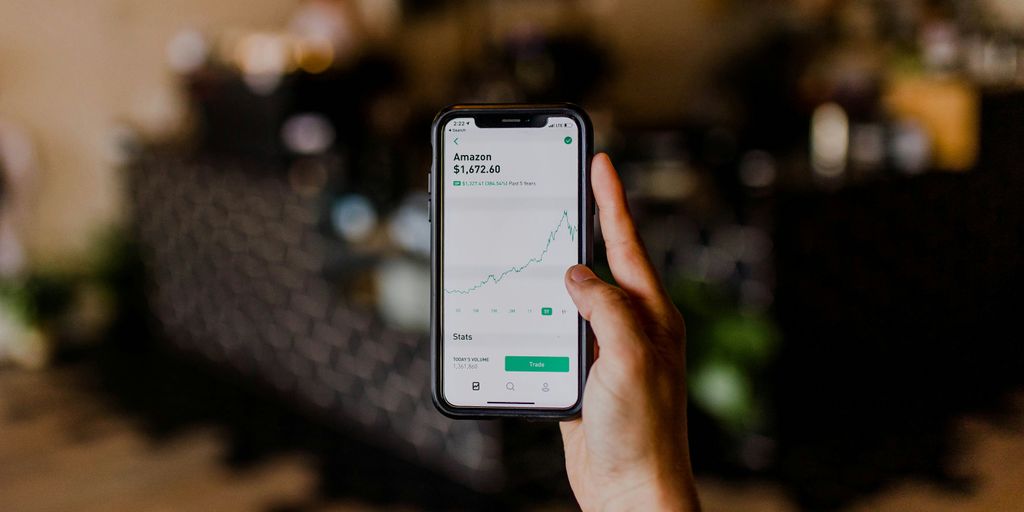
Live trading is a different beast than paper trading on TradingView. What worked in a simulated environment might need some tweaking when real money is on the line. It’s not just about the numbers; it’s about how you react to the market’s mood swings.
Adapting to Real-Time Market Dynamics
Things move fast in the real world. News breaks, big players make moves, and suddenly, your carefully laid plans can go sideways. You need to be ready to adjust your strategy on the fly. This means staying informed, watching the market closely, and being willing to cut losses or take profits when the opportunity arises. Don’t get stuck on a rigid plan; be flexible and responsive.
Adjusting to Different Timeframes
In paper trading, you might have focused on one specific timeframe. But live markets can demand a broader perspective. Maybe your day trading strategy isn’t working so well, but you notice a longer-term trend that you can capitalize on. Consider these points:
- Experiment with different timeframes to see what suits the current market conditions.
- Don’t be afraid to switch gears if your initial timeframe isn’t producing results.
- Use multiple timeframes to confirm your trading signals and improve your accuracy.
Setting Realistic Profit and Loss Limits
It’s easy to get carried away in the heat of the moment, chasing profits or trying to recoup losses. That’s why it’s so important to set clear, realistic profit and loss limits before you even start trading. These limits should be based on your risk tolerance and your overall trading plan. Here’s a simple table to illustrate:
| Scenario | Action |
|---|---|
| Daily Profit Goal | Stop trading when goal is reached |
| Daily Loss Limit | Stop trading when limit is reached |
| Trade Loss Limit | Automatically exit the trade |
Remember, trading is a marathon, not a sprint. Don’t let short-term gains or losses derail your long-term goals. Stick to your plan, manage your risk, and stay disciplined.
Sustaining Growth in Your Live Trading Journey
So, you’ve made the leap to live trading. Congrats! But the journey doesn’t end there. It’s about continuous improvement and adapting to the ever-changing market. Here’s how to keep the momentum going.
Gradually Scaling Up Your Capital
Don’t rush into throwing all your money into the market at once. Start small, and as you gain confidence and see consistent results, gradually increase your position sizes. This approach minimizes risk and allows you to adjust your strategy as you go. Think of it as slowly adding fuel to a fire – you want a steady burn, not an explosion. It’s important to have a trading account that allows you to do this.
Continuously Journaling Your Trades
Keep a detailed record of every trade you make. Note the entry and exit points, the reasoning behind the trade, and your emotional state at the time. This journal becomes an invaluable resource for identifying patterns, strengths, and weaknesses in your trading. It’s like having a personal trading coach that never sleeps. Here’s what you should include:
- Date and time of the trade
- Assets traded
- Entry and exit prices
- Reasons for entering the trade
- Emotions experienced during the trade
Regularly Reviewing Your Performance
Set aside time each week or month to analyze your trading journal. Look for trends in your wins and losses. Are there certain times of day or market conditions where you perform better or worse? Use these insights to refine your strategy and improve your decision-making. Regular review is key to long-term success.
It’s easy to get caught up in the excitement of live trading, but taking a step back to analyze your performance is crucial. This allows you to identify areas for improvement and make adjustments to your strategy, ultimately leading to more consistent and profitable trading.
To keep doing well in your live trading, it’s super important to always be learning and getting better. Don’t stop trying new things and improving your skills. Want to get even better at trading? Check out our free training to learn more!
Conclusion
So, moving from paper trading to actually putting your money on the line? It’s a big deal. Paper trading is great for learning the ropes without any real risk. But when you start live trading, things get real. You’ve got to deal with your feelings, and there are actual money consequences. To do well, you need to have done your homework with paper trading. And when you do start live trading, begin with just a little bit of money. Don’t expect to get rich overnight. It’s a slow and steady process.
Frequently Asked Questions
What is paper trading?
Paper trading, also known as demo trading, lets you practice trading with fake money. It’s like a game where you can try out different strategies without risking your real savings. This helps you learn how the market works and get comfortable with trading tools.
When should I switch from paper trading to live trading?
You should switch to live trading when you’ve been consistently making good trades in paper trading for a few months. This shows you have a solid plan and can stick to it. It’s also important to feel ready for the emotional challenges of using real money.
What are the main steps to go from paper trading to live trading?
Start by putting in only a small amount of money that you’re okay with losing. Pick a good broker, which is a company that helps you buy and sell stocks. Make sure to stick to the trading plan you practiced in paper trading, and keep track of all your trades.
How do I deal with my feelings when I start live trading?
It’s normal to feel nervous or excited when you start live trading. The best way to handle these feelings is to have a clear plan and stick to it. Don’t let your emotions make you do things you didn’t plan. Also, remember that losing some money is part of trading, so don’t get too upset about it.
What common mistakes should I avoid in live trading?
A common mistake is forgetting about fees, like what your broker charges you, and taxes. These can add up and eat into your profits. Also, sometimes the price you want to buy or sell at isn’t the price you actually get, which is called slippage. Always keep track of all your trades so you can learn from them.
How can I keep getting better at live trading?
To keep getting better, slowly increase the amount of money you trade with as you gain more experience. Keep a diary of all your trades, noting what you did right and what went wrong. Regularly look back at how you’re doing to see where you can improve.