
Friday options trading can be a bit tricky, but it also offers some cool chances if you know what you’re doing. This article will walk you through some solid tips to help you out. We’ll cover everything from understanding the basics to keeping your head straight when things get wild. The goal here is to make your Friday options trading tips more effective, so you can make smarter moves and hopefully see better results. It’s all about being prepared and making good choices.
Key Takeaways
- Knowing the basics of options, like calls, puts, and expiration dates, is super important before you even start.
- Using technical analysis helps you figure out the best times to get into and out of trades.
- Having a strong plan for managing risk, like setting profit targets and stop-losses, protects your money.
- Looking at different market data, such as options flow and news, helps you make better decisions.
- Keeping your emotions in check and sticking to your trading plan is key for long-term success.
Mastering Options Fundamentals

Understanding Core Options Concepts
Okay, so before even thinking about Friday options, you gotta nail the basics. I mean, really nail them. This means knowing the difference between calls and puts, what strike prices are, and how expiration dates work. It’s like trying to build a house without knowing what a hammer is. You’re gonna have a bad time. Think of it this way:
- Calls: You think the price is going up.
- Puts: You think the price is going down.
- Strike Price: The price you can buy (call) or sell (put) the stock.
- Expiration Date: The day your option either makes you money or becomes worthless. No pressure!
Seriously, don’t skip this part. It’s the foundation for everything else. If you don’t understand the basics, you’re just gambling, not trading. And nobody wants to be a gambler.
Deep Dive into Options Greeks
Alright, so you know the basics. Now it’s time to get a little nerdy. We’re talking about the Greeks. These are like the secret sauce of options trading. They tell you how your option’s price is going to react to different things. Here’s a quick rundown:
- Delta: How much your option price changes for every $1 move in the stock price. weekly options strategies are heavily influenced by delta.
- Gamma: How much your delta changes for every $1 move in the stock price. It’s like the delta of delta.
- Theta: How much your option loses value each day due to time decay. This one’s a killer, especially on Fridays.
- Vega: How much your option price changes for every 1% change in implied volatility.
- Rho: How much your option price changes for every 1% change in interest rates. (Usually not a big deal).
Understanding the Greeks is like having a superpower. It lets you see into the future…sort of. It helps you manage risk and make smarter trades.
The Importance of Expiration Dates
Expiration dates are a HUGE deal, especially with Friday options. I mean, it’s right there in the name! With weekly options, time is NOT your friend. It’s constantly eating away at your option’s value. Here’s the deal:
- The closer you get to the expiration date, the faster your option loses value (thanks, Theta!).
- If your option is out-of-the-money at expiration, it’s worthless. Poof! Gone!
- You need to be right, and you need to be right fast. That’s why Friday options can be so risky, but also so rewarding.
| Time to Expiration | Impact of Time Decay |
|---|---|
| 1 Week | High |
| 1 Day | Very High |
| At Expiration | Maximum |
So, pay attention to those expiration dates! They’re not just some random number. They’re the ticking clock that determines whether you make money or lose it all. Understanding the basics of options trading is key to success.
Leveraging Technical Analysis for Entry and Exit
Technical analysis is super important for figuring out when to get into and out of trades. It’s like reading a map of the market, helping you spot potential turning points. I’ve found that combining different techniques gives you a much clearer picture.
Identifying Key Chart Patterns
Chart patterns can give you clues about where the price might go next. Spotting these patterns early can give you an edge. Some common ones include:
- Head and Shoulders: Often signals a reversal of an uptrend.
- Double Tops/Bottoms: Indicates potential resistance or support levels.
- Triangles: Suggests consolidation before a breakout.
Here’s a quick look at how often these patterns work out and the best timeframe to trade them:
| Pattern | Success Rate | Optimal Timeframe |
|---|---|---|
| Double Tops | 75% | 3-5 trading days |
| Flag Patterns | 83% | 1-3 trading days |
| Triangles | 72% | 2-4 trading days |
Utilizing Technical Indicators for Confirmation
Technical indicators can help confirm what you’re seeing in chart patterns. Don’t rely on just one; use a few together for better accuracy. Some useful indicators include:
- Moving Averages: Helps identify the trend direction.
- RSI (Relative Strength Index): Shows overbought or oversold conditions.
- MACD: Highlights changes in momentum.
- Bollinger Bands: Measures volatility.
Applying Multi-Timeframe Analysis
Looking at multiple timeframes can give you a broader view of what’s happening. A trend on a shorter timeframe might just be a small part of a bigger trend on a longer timeframe. For example, you might see a bullish trend on a 15-minute chart, but the daily chart shows it’s still in a downtrend. Using options trading journals can help you keep track of these observations.
It’s like zooming out on a map to see the bigger picture. This approach helps you avoid getting caught in short-term noise and aligns your trades with the overall market direction.
Implementing Robust Risk Management Strategies
Options trading can be exciting, but it’s essential to have a solid plan for managing risk. Without it, you’re basically gambling. Let’s look at some ways to keep your capital safe.
Defining Clear Profit Targets and Stop-Loss Levels
Every trade needs a plan. Know where you’ll take profits and, more importantly, where you’ll cut losses. Setting these levels before you enter a trade helps remove emotion from the equation. It’s easy to get greedy or stubborn when money is on the line, but pre-defined levels keep you disciplined. For example, you might set a profit target of 20% and a stop-loss at 10%. This means you’re aiming to gain twice as much as you’re willing to lose. This is a good way to think about risk management.
Strategic Position Sizing for Capital Protection
Don’t put all your eggs in one basket. Position sizing is about determining how much of your capital to allocate to a single trade. A common rule is to risk no more than 1-2% of your total trading capital on any single trade. This way, even if a trade goes south, it won’t wipe you out. Here’s a simple example:
| Account Size | Risk per Trade (1%) | Position Size Limit |
|---|---|---|
| $10,000 | $100 | Varies by Option |
| $50,000 | $500 | Varies by Option |
| $100,000 | $1,000 | Varies by Option |
Employing Trailing Stops to Secure Gains
Trailing stops are a dynamic way to protect profits as a trade moves in your favor. Instead of setting a fixed stop-loss, a trailing stop adjusts automatically as the price increases. For example, if you buy a call option and set a trailing stop 10% below the current price, the stop-loss will move up as the option’s price rises. This allows you to lock in gains while still giving the trade room to run. Here are some benefits:
- Protects unrealized profits.
- Reduces the risk of giving back gains.
- Automatically adjusts to market movements.
Risk management isn’t about avoiding losses altogether; it’s about controlling them. It’s about making sure that one bad trade doesn’t ruin your entire trading career. It’s a marathon, not a sprint.
Integrating Diverse Market Data for Informed Decisions
To really crush it with Friday options, you can’t just rely on gut feelings or a single indicator. You need to pull in data from all over the place to get a complete picture. It’s like being a detective, but instead of solving a crime, you’re trying to figure out where the market is headed.
Analyzing Options Flow Data
Options flow data shows you where the big money is moving. It’s basically a peek into what institutional investors are doing. You can see large block trades, unusual activity, and overall sentiment. This can give you a heads-up on potential market moves before they happen. Think of it as following the breadcrumbs left by the smart money. For example, a sudden surge in call buying for a particular stock might signal an upcoming rally. It’s not a guarantee, but it’s a strong clue. You can use a trading checklist to make sure you’re not missing anything.
Assessing News Sentiment and Market Trends
Keeping up with the news is super important. Economic reports, company earnings, and even geopolitical events can send the market into a frenzy. But it’s not just about reading the headlines; it’s about understanding the sentiment behind the news. Is the market reacting positively or negatively? Are there any underlying trends that you can capitalize on? For example, if a company announces better-than-expected earnings, but the stock price barely moves, it might indicate that the good news was already priced in.
Recognizing Unusual Options Activity
Unusual options activity is like a flashing red light. It could signal a big move is coming. This could be anything from a massive increase in volume to a skew in the put/call ratio. It’s worth investigating. Here’s a quick rundown:
- Large Block Trades: Big orders that could indicate institutional interest.
- Unusual Volume: Significantly higher volume than normal for a particular option.
- Skewed Put/Call Ratio: An imbalance between put and call buying, suggesting a directional bias.
By combining options flow, news sentiment, and unusual activity, you can build a much stronger case for your trades. It’s all about stacking the odds in your favor. Don’t just jump in based on one piece of information. Do your homework and make informed decisions.
Cultivating Emotional Discipline in Trading
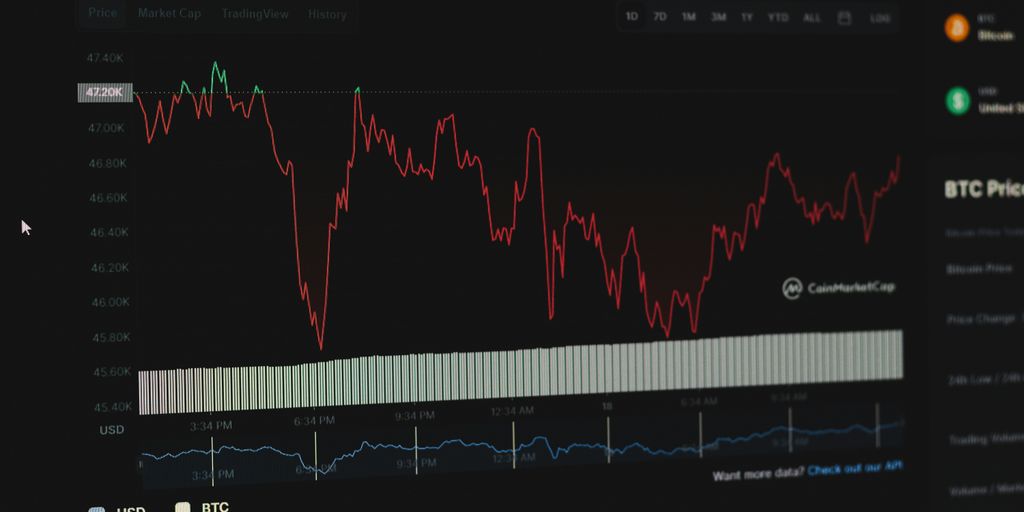
Trading options, especially weekly options, can be a rollercoaster. One minute you’re up, the next you’re down. It’s easy to let your emotions take over, but that’s a recipe for disaster. Learning to control your feelings is just as important as understanding the market. It’s about building habits that keep you level-headed, even when things get intense.
Adhering to Your Trading Plan
Your trading plan is your anchor. It’s what keeps you grounded when the market is choppy. Before you even think about placing a trade, you should have a clear plan that outlines your entry and exit points, your risk tolerance, and your profit targets. Don’t deviate from it based on a gut feeling or a hot tip. Stick to the plan, and you’ll be less likely to make impulsive decisions. Think of it as your personal rulebook for options trading.
Avoiding Impulsive Decisions
Impulsive decisions are the enemy of successful trading. They’re often driven by fear or greed, and they rarely end well. Before you make a trade, take a deep breath and ask yourself if it aligns with your trading plan. If it doesn’t, walk away. It’s better to miss out on a potential profit than to take a loss because you acted without thinking.
- Set rules for when you’ll trade and when you’ll stay on the sidelines.
- Have a checklist to run through before executing any trade.
- Practice patience; not every day is a trading day.
Managing Trading Psychology
Trading psychology is all about understanding how your emotions affect your trading decisions. Everyone experiences fear, greed, and anxiety, but successful traders learn to manage these emotions. Keep a trading journal to track your trades and your emotional state at the time. This can help you identify patterns and triggers that lead to poor decisions.
Recognizing your emotional triggers is half the battle. Once you know what sets you off, you can develop strategies to manage those feelings. Maybe it’s taking a break from the screen, or maybe it’s talking to a friend or mentor. Whatever works for you, make it a part of your routine.
Continuous Learning and Adaptation in Options Trading
Options trading isn’t a ‘set it and forget it’ kind of deal. The market is always changing, new strategies emerge, and what worked last year might not work today. That’s why continuous learning and adaptation are so important. You have to stay on your toes and be willing to adjust your approach as needed. It’s like trying to hit a moving target – you need to constantly recalibrate.
Staying Updated on Market Developments
Keeping up with market news is a must. Economic reports, geopolitical events, and even company-specific announcements can all impact options prices. Make it a habit to read financial news, follow market analysts, and use economic calendars. Understanding the macro environment can give you a significant edge. For example, if you see interest rates are about to rise, you might adjust your strategy to account for increased volatility. It’s about connecting the dots and understanding how different factors influence the market.
Engaging with Trading Communities
Don’t trade in a vacuum! Trading communities can be a great source of information, support, and new ideas. Forums, social media groups, and even local trading meetups can provide opportunities to learn from other traders, share your experiences, and get feedback on your strategies. Just remember to do your own research and not blindly follow anyone’s advice. It’s about learning from others, but ultimately making your own informed decisions. You can contact us for more information.
Refining Strategies Through Practice
Theory is great, but practice is where the rubber meets the road. Paper trading or using small amounts of real capital to test new strategies is essential. Track your results, analyze your wins and losses, and identify areas for improvement. Don’t be afraid to experiment, but always manage your risk. It’s a process of trial and error, and the more you practice, the better you’ll become. Here are some things to keep in mind:
- Keep a detailed trading journal.
- Analyze your win rate and average profit/loss.
- Identify patterns in your successful and unsuccessful trades.
The market is a harsh teacher, but it’s also the best teacher. Every trade, whether it’s a win or a loss, provides valuable lessons. The key is to learn from your mistakes and continuously refine your strategies based on your experiences.
Optimizing Friday Options Trading Tips
Understanding Weekly Options Dynamics
Weekly options are a different beast than their monthly counterparts. They expire every Friday, which means time decay, or theta, is accelerated. This can be both a blessing and a curse. On one hand, if you’re selling options, that theta decay works in your favor, eroding the option’s value quickly as expiration approaches. On the other hand, if you’re buying options, you need the underlying asset to move quickly in your favor to offset that decay. Understanding this dynamic is key to successful Friday options trading.
Capitalizing on Time Decay
Time decay is your friend when selling options, especially on Fridays. Strategies like selling covered calls or cash-secured puts can be very effective. The goal is to collect the premium as the option loses value due to time decay. However, it’s important to manage your risk. Don’t just blindly sell options; choose strike prices and expiration dates carefully based on your market outlook and risk tolerance. Consider these points:
- Select strike prices that are realistically achievable, but not too close to the current price.
- Monitor the underlying asset closely, especially on Friday.
- Be prepared to adjust your position if the market moves against you.
Selecting Appropriate Strategies for Friday Expirations
Not all options strategies are created equal, especially when it comes to Friday expirations. Some strategies are better suited for the fast-paced, time-sensitive nature of weekly options. Here are a few to consider:
- Covered Calls: Great for generating income on stocks you already own. You sell a call option with a strike price above the current market price, hoping the stock doesn’t reach that price by Friday. If it doesn’t, you keep the premium. This is a good way to generate cash flow.
- Iron Condors: This strategy profits from a stock trading within a specific range. It involves selling both a call and a put option, with strike prices above and below the current market price. If the stock stays within that range, both options expire worthless, and you keep the premium.
- Credit Spreads: These are directional strategies, meaning you’re betting on the stock moving in a specific direction. A call credit spread involves selling a call option and buying another call option with a higher strike price. A put credit spread involves selling a put option and buying another put option with a lower strike price. If your prediction is correct, you keep the difference in premiums.
Remember, Friday options trading can be risky. The short time frame means there’s less room for error. Always manage your risk carefully and never trade with money you can’t afford to lose.
Here’s a quick comparison of strategies:
| Strategy | Market Condition | Risk Level | Potential Reward |
|---|---|---|---|
| Covered Call | Sideways/Slightly Bullish | Low | Limited |
| Iron Condor | Range-Bound | Medium | Limited |
| Credit Spread | Directional | Medium | Limited |
Trading options on Fridays can be tricky, but with the right approach, you can boost your chances of success. It’s all about understanding the market’s rhythm and making smart choices. If you’re looking to get better at this, we have some great tips that can help you out. Learn how to make the most of your Friday trades and potentially earn more. Ready to improve your trading skills? Check out our free training to get started today!
Wrapping Up Your Friday Options Trading Journey
So, we’ve gone over a lot about Friday options trading. It’s clear that doing well here isn’t just about luck; it’s about having a good plan, knowing your stuff, and sticking to your rules. If you use what we talked about, like managing your risk and really understanding the market, you’re setting yourself up for better results. It takes work and patience, but if you keep learning and stay smart about your trades, you can definitely improve your chances of making money. Just remember to keep things simple, don’t get greedy, and always be ready to learn something new.
Frequently Asked Questions
How can I manage risk effectively in options trading?
To handle risk well in options trading, you should always decide how much money you’re willing to risk on each trade. Use ‘stop-loss’ orders to automatically sell if the price drops too much, and set a clear goal for how much profit you want to make compared to the risk you’re taking.
Why is multi-timeframe analysis important in options trading?
Looking at charts across different time periods helps you see the big picture and the small details. It makes sure your short-term trades fit into the longer-term market trends, giving you a better chance to succeed.
How can unusual options activity indicate potential market moves?
When you see a lot of unusual options activity, it often means big investors or people with special information are making large bets. This can hint at big price changes coming soon, so it’s a good signal for traders.
What role does market news play in options trading?
Market news and big economic events can make stock prices jump or fall suddenly. By staying informed, traders can guess when these big moves might happen and adjust their plans to either avoid losses or grab new chances.
Why is emotional discipline crucial for successful options trading?
Keeping your feelings in check is super important. If you let emotions like fear or greed guide your trades, you’re likely to make bad, quick decisions that cost you money. Sticking to your plan, no matter what, is key.
How can I continuously improve my options trading strategies?
You can always get better by continuing to learn new things, joining groups where traders share ideas, and keeping up with what’s happening in the market. The more you learn and practice, the sharper your trading skills will become.