
Thinking about making some extra cash? An options trading side hustle might be just what you need. It’s a way to try and grow your money, even if you’re working another job. This guide will walk you through what it takes to get started and how to make it work for you. We’ll cover everything from learning the basics to managing your money, so you can aim for that financial freedom everyone talks about.
Key Takeaways
- Options trading can be a good way to earn extra money, but it needs real effort and learning.
- You have to learn about how options work and build a good plan for your money.
- There are different ways to trade options, from simple to more complex, and you should pick what fits you.
- Trading has risks, so it’s super important to know them and have ways to protect your cash.
- Using the right tools and always learning will help you do better with your options trading side hustle.
Understanding the Options Trading Side Hustle

Defining Options Trading for Beginners
Okay, so what is options trading? Basically, it’s a way to bet on where you think a stock’s price is going, without actually buying the stock itself. You’re buying a contract that gives you the right, but not the obligation, to buy or sell that stock at a certain price by a certain date. It sounds complicated, and it can be, but the basic idea is pretty simple. Think of it like this: you’re not buying the house, you’re buying the option to buy the house. If the house goes up in value, your option becomes more valuable. If it goes down, you can just let the option expire. It’s a way to generate reliable income if you know what you’re doing.
The Appeal of a Trading Side Hustle
Why would someone want to do this as a side hustle? Well, the big draw is the potential for making money, and making it relatively quickly. You don’t need a ton of capital to get started, and you can trade from pretty much anywhere with an internet connection. Plus, it’s kind of exciting! It’s like a puzzle, trying to figure out which way the market is going to move. But, and this is a big but, it’s also risky. You can lose money just as quickly as you can make it. Here are some reasons people get into it:
- Potential for high returns
- Flexibility of trading hours
- Relatively low capital requirements
- Intellectual challenge
Setting Realistic Expectations
This is super important. Don’t go into this thinking you’re going to get rich quick. That’s a recipe for disaster. Options trading is not a lottery ticket. It takes time, effort, and a lot of learning to become consistently profitable. Most people who try options trading lose money, especially in the beginning. Treat it like a business, not a game. That means having a plan, managing your risk, and being prepared to put in the work. Don’t quit your day job just yet!
It’s easy to get caught up in the hype and think you can double your money overnight. But the reality is that options trading is a skill that takes time to develop. Be patient, be disciplined, and don’t risk more than you can afford to lose.
Building a Solid Foundation for Your Options Trading Side Hustle
It’s easy to get caught up in the excitement of potential profits, but before you start trading, it’s important to build a solid base of knowledge and skills. Think of it like building a house – you wouldn’t start putting up walls without a strong foundation, right? The same goes for options trading. A strong foundation will help you make informed decisions and manage risk effectively.
Essential Knowledge and Education
First things first, you need to understand what options are and how they work. Don’t just jump in thinking you’ll figure it out as you go – that’s a recipe for disaster.
Here’s what you should focus on:
- Options Basics: Learn the lingo – calls, puts, strike prices, expiration dates, premiums. Understand the difference between buying and selling options.
- Market Dynamics: Get a feel for how the market moves. What factors influence option prices? How do news events affect trading?
- Trading Strategies: Start with simple strategies like covered calls and protective puts. As you gain experience, you can explore more complex techniques.
It’s a good idea to read books, take online courses, and follow reputable financial news sources. The more you know, the better equipped you’ll be to make smart trading decisions.
Developing a Trader’s Mindset
Trading isn’t just about knowing the numbers; it’s also about having the right mindset. You need to be disciplined, patient, and emotionally stable. Here’s how to cultivate a trader’s mindset:
- Be Objective: Don’t let emotions cloud your judgment. Stick to your trading plan, even when things get tough.
- Accept Losses: Losses are part of the game. Don’t get discouraged by them. Instead, learn from your mistakes and move on.
- Stay Focused: Avoid distractions and stay focused on your trading goals. Don’t let outside noise influence your decisions.
Managing Your Capital Effectively
One of the biggest mistakes new traders make is not managing their capital properly. You need to protect your investment and avoid risking more than you can afford to lose. Here’s how to manage your capital effectively:
- Set a Budget: Determine how much capital you’re willing to risk on your trading side hustle. Don’t use money you need for essential expenses.
- Use Stop-Loss Orders: Stop-loss orders automatically close your position if the price reaches a certain level, limiting your potential losses.
- Diversify Your Trades: Don’t put all your eggs in one basket. Spread your capital across multiple trades to reduce your overall risk.
| Strategy | Risk Level | Potential Return | Capital Allocation | Example |
|---|---|---|---|---|
| Covered Call | Low | Moderate | 20% | Sell calls on stocks you already own |
| Protective Put | Moderate | Limited | 15% | Buy puts to protect against stock drops |
| Credit Spread | Moderate | Moderate | 10% | Profit from time decay |
| Cash Secured Put | Moderate | Moderate | 20% | Sell puts to buy stocks at a lower price |
| Long Straddle | High | High | 5% | Bet on a big price move |
Remember, building a solid foundation takes time and effort. But it’s worth it in the long run. By investing in your education, developing a trader’s mindset, and managing your capital effectively, you’ll be well on your way to achieving success with your options trading side hustle.
Strategic Approaches for Your Options Trading Side Hustle
Exploring Basic Options Strategies
Okay, so you’re ready to actually trade some options. Cool. Let’s start with the basics. Forget about getting fancy right away. We’re talking about calls and puts. Buying calls if you think a stock is going up, buying puts if you think it’s going down. Simple, right? It’s all about understanding the risk involved. Don’t just throw money at something because you heard someone on the internet say it’s a sure thing. It’s not.
- Buying Calls: Bet on a stock increasing in price.
- Buying Puts: Bet on a stock decreasing in price.
- Covered Calls: Selling calls on stock you already own.
Implementing Advanced Trading Techniques
Alright, so you’ve got the basics down. Now what? Time to think about some more advanced stuff. Things like spreads, straddles, and strangles. These strategies can help you limit your risk and potentially increase your profits, but they also add complexity. Make sure you really understand what you’re doing before you start messing around with these. It’s easy to lose money if you don’t know what you’re doing. Consider paper trading to test these strategies before using real money. You can find options trading education online to help you learn.
Leveraging Day Trading for Quick Gains
Day trading options can be tempting. The idea of making a bunch of money in a short amount of time is appealing. But it’s also incredibly risky. You need to be glued to your screen, watching the market like a hawk. And you need to be able to make quick decisions. It’s not for the faint of heart. If you’re going to try day trading, start small and be prepared to lose money. It’s a high-risk, high-reward game. Here’s a few things to keep in mind:
- High Risk: Be prepared to lose your investment.
- Requires Focus: Constant monitoring is needed.
- Quick Decisions: Fast reactions are essential.
Day trading isn’t for everyone. It requires a significant time commitment and a high tolerance for risk. If you’re not prepared to put in the work, you’re better off sticking to longer-term strategies. Remember, it’s a marathon, not a sprint.
Navigating Risks in Your Options Trading Side Hustle
Options trading can be a great way to boost your income, but it’s not without its dangers. It’s super important to understand these risks and have plans to deal with them. Let’s break down some common problems and how to avoid them.
Identifying Common Trading Pitfalls
There are a few big mistakes that new options traders often make. Knowing about these can help you steer clear.
- Lack of Knowledge: Jumping in without really understanding how options work is a recipe for disaster. Make sure you get a solid education before risking any money. There are many books that can help you get started with your business, such as Options Trading Strategies.
- Emotional Trading: Letting your feelings drive your decisions is a bad idea. Fear and greed can lead to impulsive moves that you’ll regret. Stick to your plan, even when things get tough.
- Overtrading: Trying to make too many trades too often can wear you out and increase your chances of making mistakes. Sometimes, the best thing to do is nothing.
Strategies for Risk Mitigation
So, how do you protect yourself from these pitfalls? Here are some strategies that can help.
- Start Small: Don’t bet the farm on your first few trades. Begin with a small amount of capital that you can afford to lose. This lets you learn without risking too much.
- Use Stop-Loss Orders: A stop-loss order automatically sells your option if it reaches a certain price. This can limit your losses if the market moves against you. Options trading offers defined risk, as losses are limited to the premium paid.
- Diversify Your Portfolio: Don’t put all your eggs in one basket. Spread your investments across different options and asset classes to reduce your overall risk.
Protecting Your Investment Capital
Ultimately, the goal is to keep your money safe while you’re trying to grow it. Here’s how to do that.
- Set Clear Goals: Know what you want to achieve with your trading and how much risk you’re willing to take. This will help you make better decisions.
- Keep a Trading Journal: Write down your trades, your reasons for making them, and the results. This will help you learn from your mistakes and improve your strategy over time.
- Regularly Review Your Performance: Take time to assess how you’re doing. Are you meeting your goals? Are you managing risk effectively? Make adjustments as needed.
Options trading can be risky, but with the right knowledge and strategies, you can minimize those risks and increase your chances of success. Remember to stay disciplined, keep learning, and always protect your capital.
Tools and Resources for a Successful Options Trading Side Hustle
Choosing the Right Trading Platform
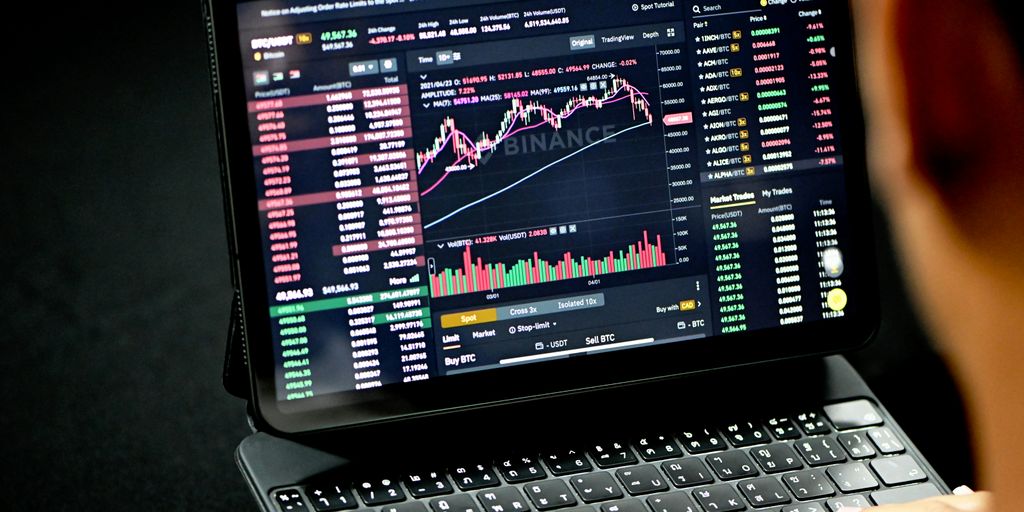
Selecting a good trading platform is super important. It’s like picking the right tools for any job. You want something that’s easy to use, reliable, and gives you access to all the options you need. Look for platforms with low fees, real-time data, and good customer support. Some platforms also offer paper trading accounts, which let you practice without risking real money. It’s a great way to get comfortable before you trade options for real.
Utilizing Analytical Tools
Don’t just guess when you’re trading. Use analytical tools to help you make informed decisions. These tools can include charting software, economic calendars, and options chain analysis. Charting software helps you spot trends and patterns in stock prices. Economic calendars keep you up-to-date on important economic announcements that could affect the market. Options chain analysis helps you understand the pricing and liquidity of different options contracts. Having the right data at your fingertips can make a big difference.
Accessing Educational Materials
Never stop learning. The world of options trading is always changing, so it’s important to stay up-to-date on the latest strategies and techniques. There are tons of educational materials available online, including courses, articles, and videos. Many brokers also offer educational resources to their clients. Take advantage of these resources to improve your trading skills.
It’s easy to get overwhelmed by all the information out there. Start with the basics and gradually work your way up to more advanced topics. Focus on understanding the fundamentals of options trading before you start experimenting with complex strategies.
Here’s a list of resources to get you started:
- Online courses on platforms like Coursera or Udemy
- Books on options trading strategies
- Webinars and seminars offered by brokers
- Financial news websites and blogs
Cultivating Habits for a Profitable Options Trading Side Hustle
The Importance of Discipline in Trading
Discipline is super important in options trading. It’s easy to get caught up in the excitement, but that’s when mistakes happen. A disciplined trader sticks to their plan, even when things get tough. This means setting clear rules for entries, exits, and position sizing, and then following those rules no matter what. It also means avoiding impulsive decisions based on fear or greed. For example, if your strategy says to cut losses at a certain point, you need to do it, even if you think the market might turn around. It’s about protecting your capital and ensuring long-term success. It’s like sticking to a diet – you might crave that pizza, but you know it’s not good for your overall goals. Trading is the same way. You need to resist the urge to deviate from your plan, even when it’s tempting. This is how you can become a good options trader.
Continuous Learning and Adaptation
The market is always changing, so you can’t just learn something once and expect it to work forever. Continuous learning is key. This means staying up-to-date on market trends, economic news, and new trading strategies. It also means analyzing your own trades to see what worked and what didn’t. Don’t be afraid to experiment with new approaches, but always do it in a controlled way. Paper trading is great for testing new strategies without risking real money. The best traders are always learning and adapting to the changing environment. It’s like a surfer adjusting to the waves – you need to be flexible and responsive to stay afloat. Here’s a simple table to illustrate the importance of tracking your trades:
| Metric | Importance |
|---|---|
| Win Rate | Identifies strategy effectiveness |
| Average Profit | Shows potential gains per winning trade |
| Average Loss | Highlights risk per losing trade |
| Risk/Reward Ratio | Assesses profitability vs. risk taken |
Maintaining Emotional Control
Trading can be emotionally taxing. You’ll experience wins and losses, and it’s easy to let those emotions cloud your judgment. Fear and greed are the biggest enemies of a trader. Fear can cause you to exit positions too early, missing out on potential profits. Greed can cause you to hold on to losing positions for too long, hoping they’ll turn around. The key is to stay calm and rational, even when the market is volatile. Develop strategies for managing your emotions, such as taking breaks, meditating, or talking to a trusted friend or mentor. Remember, trading is a marathon, not a sprint. You need to be able to handle the ups and downs without letting your emotions derail you.
Emotional control is not about suppressing your feelings, but about understanding them and preventing them from dictating your trading decisions. It’s about recognizing when you’re feeling anxious or excited, and then taking steps to regain your composure before making any trades.
Here are some tips for maintaining emotional control:
- Have a trading plan and stick to it.
- Don’t trade with money you can’t afford to lose.
- Take breaks when you’re feeling stressed.
- Review your trades objectively, without blaming yourself or others.
Achieving Financial Freedom Through Your Options Trading Side Hustle
Scaling Your Trading Operations
So, you’ve been at this options trading thing for a while, and you’re seeing some consistent profits. Awesome! Now it’s time to think about scaling. This doesn’t mean throwing caution to the wind and betting the farm. It’s about strategically increasing your position sizes as your capital grows and your confidence in your strategies solidifies. Think of it like leveling up in a video game. You don’t jump straight to the final boss; you gradually increase your skills and gear. One approach is to incrementally increase your capital allocation per trade, say by 10-20% every few months, provided your win rate remains stable. Another is to diversify into additional, uncorrelated options strategies to spread risk. Remember, slow and steady wins the race. Don’t let greed cloud your judgment. You can also explore multiple income streams to diversify your earnings.
Reinvesting Profits Wisely
What do you do with all that sweet, sweet profit? Stuff it under your mattress? Buy a yacht? Well, maybe someday on the yacht, but for now, let’s talk reinvestment. Reinvesting your profits is how you turn a side hustle into a serious wealth-building engine. But it’s not as simple as just plowing everything back into more options trades. Consider these options:
- Increase Trading Capital: Allocate a portion of your profits to increase your trading account size. This allows you to take on larger positions and potentially generate even greater returns.
- Invest in Education: Never stop learning! Use some of your profits to take advanced options trading courses, attend seminars, or subscribe to premium research services. The more you know, the better your decisions will be.
- Diversify Investments: Don’t put all your eggs in one basket. Explore other investment opportunities, such as stocks, bonds, or real estate, to reduce your overall risk.
Reinvesting profits isn’t just about growing your trading account; it’s about building a diversified financial foundation that can weather any storm. Think long-term, and make smart, strategic decisions about where your money goes.
Long-Term Wealth Accumulation
Options trading as a side hustle isn’t just about making a few extra bucks each month; it’s about building long-term wealth and achieving financial freedom. The key is to have a plan and stick to it. This means setting clear financial goals, developing a disciplined savings strategy, and consistently reinvesting your profits. Consider these points:
- Set Specific Goals: Define what financial freedom means to you. Is it paying off your mortgage? Retiring early? Traveling the world? Having clear goals will keep you motivated and focused.
- Automate Savings: Set up automatic transfers from your trading account to a separate savings or investment account. This ensures that you’re consistently saving money without having to think about it.
- Regularly Review and Adjust: Your financial situation and goals will change over time. Make sure to regularly review your plan and adjust it as needed to stay on track. You can also use analytical tools to help you make informed decisions.
With dedication, discipline, and a bit of luck, your options trading side hustle can be the key to unlocking a brighter financial future. Here’s to your success!
Want to make your money work for you? Options trading can help you reach your financial goals, even if you start small. Learn how to turn a side hustle into real freedom by visiting our website today!
Conclusion
So, there you have it. Options trading, when you get the hang of it, can really be a good way to make some extra cash. It’s not a get-rich-quick thing, and you’ll definitely hit some bumps along the way. But if you stick with it, learn the ropes, and don’t just jump in without thinking, it can help you get to a better spot financially. Just remember to start small, keep learning, and don’t put all your eggs in one basket. Good luck out there!
Frequently Asked Questions
What exactly is options trading?
Options trading is like making a special deal to buy or sell something (like a stock) at a set price by a certain date. You don’t have to buy or sell if you don’t want to, but you have the choice. It’s different from just buying stocks because you’re trading the *right* to buy or sell, not the thing itself.
Why should I consider options trading as a side hustle?
It’s a way to earn extra money on the side. You can do it in your free time, like evenings or weekends, without quitting your main job. It lets you use your money to make more money, which can help you reach your financial goals faster.
Is options trading risky?
Yes, there are risks, just like with any type of investing. You could lose money if the market doesn’t move the way you expect. But, by learning smart strategies and managing your money carefully, you can lower these risks. It’s all about being prepared and not putting all your eggs in one basket.
How much money do I need to begin options trading?
You don’t need a huge amount to start. Many platforms let you begin with a few hundred dollars. The key is to start small, learn the ropes, and only invest what you’re comfortable losing. As you get better, you can put in more.
How long does it take to learn options trading?
It takes time and effort. You’ll need to learn the basics, understand how the market works, and practice. Some people pick it up quickly, while others need more time. The important thing is to keep learning and not give up.
Where can I find good resources to learn about options trading?
There are many great places! You can find books, online courses, YouTube videos, and even free articles. Look for resources that explain things simply and offer practical advice. Start with the basics and slowly move to more advanced topics.