
Thinking the market might be heading south? Don’t worry, there are ways to make money even when stocks are falling. A bear market means prices have dropped a lot, and sometimes economic signals suggest this could happen. But options trading isn’t just for when things are going up. You can use them when the market is shaky or unpredictable. Options give you different ways to try and profit, protect your money, or even earn some income during a downturn. This guide will show you five main ways to handle a bear market and come out ahead.
Key Takeaways
- You can use options to profit from falling stock prices or when volatility increases in a bear market.
- Options allow for precise risk management, helping to limit potential losses and protect your money.
- Strategies like buying puts or using bear put spreads are good for profiting from declining prices.
- Protective puts act like insurance, securing a selling price for stocks you already own.
- Choosing the right strategy depends on your personal comfort with risk, how much money you have, and your view of the market.
Understanding Market Downturns and Options
Defining a Bear Market
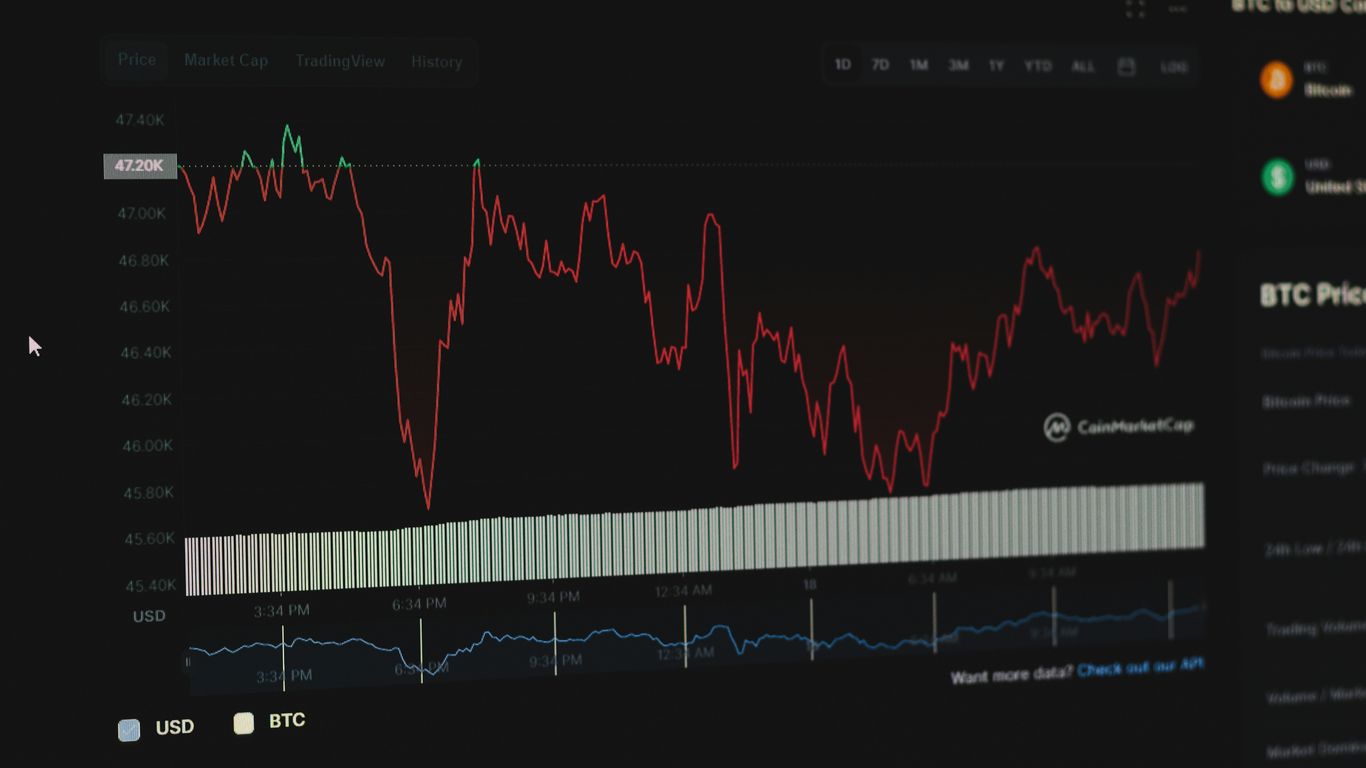
A bear market is generally understood as a period where stock prices fall significantly, typically by 20% or more from recent highs. It’s a time when investor confidence is low, and there’s a general sense of pessimism about the economy and future market performance. This isn’t just a small dip; it’s a sustained period of decline that can last for months or even years. Think of it as the opposite of a bull market, where prices are generally rising.
Why Options Excel in Volatile Markets
When markets get choppy, like during a bear market, things can get pretty wild. This is where options can really shine. Because options derive their value from an underlying asset, their prices can move much faster than the stock itself. This means you can potentially make a profit even if the stock only moves a little bit, or you can make a bigger profit if it moves a lot. It’s like having a turbocharged way to play the market. For many, this makes options a go-to tool when things get uncertain, offering a way to participate in market movements without owning the actual stock. You can find more on how to use options in different market conditions in this guide on weekly options strategy.
Leverage and Limited Risk with Options
One of the most attractive features of options, especially when you’re dealing with a down market, is the concept of leverage. For a relatively small amount of money – the premium you pay – you can control a much larger amount of stock. This means a small price move in your favor can result in a much larger percentage gain on your initial investment. But here’s the key part: your risk is usually limited to the premium you paid. If you buy a put option, for example, and the stock doesn’t fall as much as you expected, the most you can lose is the price of that option. It’s a way to take a calculated position without betting the farm.
Here’s a quick look at how that limited risk works:
| Strategy | Max Profit | Max Loss |
|---|---|---|
| Buying a Put | Unlimited (theoretically) | Premium Paid |
| Selling a Put | Premium Received | (Strike – Premium) * 100 |
| Buying a Call | Unlimited (theoretically) | Premium Paid |
| Selling a Call | Premium Received | (Strike + Premium) * 100 |
It’s important to remember that while options offer leverage, they also expire. This time decay means that if your prediction doesn’t happen within the option’s lifespan, the option can become worthless. So, timing and choosing the right expiration date are pretty important.
Profiting from Falling Prices
When the market takes a dive, it might seem like all the opportunities disappear. But that’s not really the case. For those who know what to look for, a downturn can actually be a good time to make money. It’s all about using the right tools and having a plan.
The Power of Buying Put Options
Buying a put option is like getting the right to sell something at a set price, even if the market price drops way below that. You pay a small fee, called a premium, for this right. If the stock you’re watching starts to fall, your put option usually goes up in value. You can then either sell the option itself for a profit, or you can use your right to sell the stock at that higher, set price. It’s a way to bet on a stock going down without actually having to short the stock itself.
Maximizing Gains with Put Options
To really make the most of put options when prices are falling, timing is key. You want to buy puts on stocks that you believe will drop significantly. The further the stock price falls below your option’s strike price, the more money your put option can make. It’s also smart to consider the expiration date. Shorter-dated options can be cheaper, but they need the stock to move quickly. Longer-dated options give the stock more time to fall, but they cost more upfront.
Managing Risk with Put Premiums
When you buy a put option, the most you can lose is the premium you paid for it. That’s a big plus compared to other ways of betting on a price drop. If the stock doesn’t fall as much as you expected, or if it goes up instead, you just lose that initial premium. It’s like buying insurance for your portfolio or making a calculated bet where your potential loss is already known. This limited risk makes put options a popular choice for many investors looking to profit from falling prices.
Strategic Approaches for Down Markets
When the market starts heading south, it’s not all doom and gloom. There are specific ways to position yourself to potentially profit from falling prices, or at least protect what you have. It’s about being smart and using the right tools.
Implementing Bear Put Spreads
A bear put spread is a strategy that can help you profit when you expect a stock price to go down, but you also want to limit your risk and the amount of money you need upfront. You do this by buying a put option and selling another put option on the same stock, with the same expiration date, but with different strike prices. The put you buy has a higher strike price, and the one you sell has a lower strike price. This setup means your potential profit is capped, but so is your potential loss. It’s a way to make a bet on a downturn without betting the farm.
- This strategy is good when you have a moderately bearish outlook.
- It costs less to enter than just buying a put option outright.
- Your maximum loss is limited to the net cost of setting up the spread.
Reducing Costs with Spread Strategies
Why would you want to sell another put option when you’re trying to profit from falling prices? Well, the premium you receive from selling the lower-strike put helps to offset the cost of buying the higher-strike put. This makes the overall strategy cheaper to implement. Think of it like this: you’re paying less for your downside protection and potential profit. This cost reduction is a big deal, especially when you’re dealing with weekly options where time decay can eat into profits quickly. By lowering your entry cost, you also lower the breakeven point for the trade.
Here’s a quick look at how the costs can stack up:
| Action | Cost/Premium | Net Cost |
|—————–|————–|
| Buy 1 Put (higher strike) | -$2.00 | |
| Sell 1 Put (lower strike) | +$0.75 | -$1.25 (Net Debit) |
Profit Potential in Modest Declines
Bear put spreads are particularly useful when you don’t expect a massive, sudden drop in a stock’s price, but rather a steady, moderate decline. Because you’re selling a put at a lower strike, you’re essentially giving up some of the potential profit you’d get from a simple long put if the stock fell dramatically. However, this also means your cost basis is lower. The profit is realized when the stock price falls below the higher strike price, but not so far down that the loss on the sold put outweighs the gain on the bought put. The maximum profit occurs if the stock price closes at or below the lower strike price at expiration. It’s a more controlled way to play a downward move.
Hedging and Capital Protection
Utilizing Protective Puts
When the market’s heading south, protecting what you’ve got becomes just as important as trying to make more. That’s where protective puts come in. Think of them like insurance for your stock. You own shares, and you’re worried they might drop in value. So, you buy a put option on that same stock. This gives you the right, but not the obligation, to sell your shares at a specific price (the strike price) before the option expires. If the stock price tanks, your put option becomes more valuable, and you can exercise it to sell your shares at that higher, locked-in price. This way, you limit your losses even if the stock keeps falling. It’s a solid way to keep your positions open for the long haul, letting you still benefit if the stock eventually bounces back, while shielding you from the worst of a downturn. It really helps avoid that gut-wrenching feeling of being forced to sell your holdings at a steep loss. For more on managing risk, check out this guide on risk-managed weekly options trading.
Securing a Selling Price
Buying a protective put essentially lets you set a floor for your selling price. Let’s say you own 100 shares of a company trading at $50 each. You’re concerned about a potential market drop, so you buy a put option with a strike price of $45 for, say, $2 per share ($200 total). If the stock price falls to $35, you can still sell your shares at $45 using your put option, limiting your loss to $7 per share ($50 initial price – $45 sale price + $2 premium paid). Without the put, you’d be selling at $35, taking a $15 per share loss. The cost of the premium is the price you pay for this safety net. It does eat into your potential profits if the stock goes up, but for many, that peace of mind is well worth it, especially when the economic outlook is uncertain, like with the current trade policy discussions.
Insurance Against Market Crashes
Protective puts are a fantastic tool for hedging against significant market declines. They offer downside protection, acting as a safety net that guards your investment from major price drops. This strategy is particularly useful because it helps you avoid the common investor mistake of selling low during panic-driven markets. However, it’s important to remember that this protection is only valid until the option’s expiration date. If you want continued coverage, you’ll need to buy new puts, which adds to your costs. Also, the premium you pay for the put can reduce your overall profit if the stock price rises significantly, or if the stock price stays flat and the option expires worthless. It’s a trade-off between security and potential upside.
Here’s a quick look at the pros and cons:
- Pros:
- Limits potential losses.
- Allows for unlimited upside potential if the stock recovers.
- Provides a sense of security during volatile times.
- Helps avoid selling assets at a loss.
- Cons:
- Cost of the premium reduces profit.
- Protection is limited by the expiration date.
- Can lead to opportunity cost if funds are tied up.
- Adds complexity for newer traders.
Capitalizing on Volatility
Bear markets aren’t just about prices falling; they often come with a big jump in volatility. This means prices can swing wildly, up or down, in short periods. For options traders, this increased choppiness can actually be a good thing if you know how to play it.
Profiting from Increased Volatility
When markets get jumpy, the prices of options tend to go up. This is because there’s a greater chance of a big price move happening before the option expires. So, even if you’re not sure which way the market will go, you can still make money just from the fact that it’s moving a lot. Think of it like betting on a stormy sea – you don’t know if a ship will go north or south, but you know it’s going to get tossed around.
The Role of the VIX Index
One way to keep an eye on this expected volatility is the VIX, often called the "fear index." When the VIX is high, it signals that traders expect bigger price swings in the stock market. In a bear market, the VIX usually climbs. This can be a signal for options traders. A rising VIX can mean options become more expensive, but it also means there’s more potential for profit if you’ve bought options that benefit from big moves. Watching the VIX can help you time your trades, maybe buying options when you think volatility will increase further or selling them when you think it might calm down.
Straddles and Strangles for Uncertainty
So, how do you actually profit from this wild price action? Two popular strategies are straddles and strangles. Both involve buying both a call option and a put option on the same stock, with the same expiration date. The difference is in the strike price.
- Straddle: You buy a call and a put with the same strike price.
- Strangle: You buy a call with a higher strike price and a put with a lower strike price.
These strategies work because they profit if the stock price makes a big move in either direction. You’re essentially betting on a big move, not the direction of the move. This makes them great tools when the market is uncertain and you expect a significant price swing, perhaps around an economic announcement or a major news event. However, they can be costly to set up, and the stock needs to move enough to cover the cost of both options.
When volatility spikes, options prices generally increase. This creates opportunities for traders who can correctly anticipate these swings, regardless of the market’s direction. It’s a different way of thinking about making money in down markets, focusing on movement rather than just price decline.
It’s important to remember that while these strategies can be profitable, they also come with risks. The cost of buying both options can be high, and if the stock doesn’t move much, you could lose the entire premium paid. That’s why understanding the potential price swings and setting realistic expectations is key. You can find more information on weekly options strategies at options trading basics.
Here’s a quick look at how straddles and strangles differ:
| Strategy | Call Strike Price | Put Strike Price | Profit Condition |
|---|---|---|---|
| Straddle | Same as Put | Same as Call | Large move up or down |
| Strangle | Higher than Put | Lower than Call | Very large move up or down (needs bigger move) |
Timing and Execution in Bear Markets

Leveraging Economic Triggers
When the market’s heading south, paying attention to what’s happening in the wider economy can give you an edge. Think about things like trade policy shifts, interest rate changes from the Fed, or even inflation numbers. These events, often called economic triggers, can really shake things up and create opportunities. For instance, if there’s news about potential tariffs, you might see a particular sector get hit hard. This is when you could consider buying put options on stocks in that sector, betting that their prices will drop. It’s about spotting these economic signals and using them to time your trades, whether that means getting into a position at a good price or selling one before a bigger drop.
Strategic Trade Execution
Getting your trades right in a down market often comes down to timing. It’s not just about picking the right stock or option; it’s about when you enter and exit. Some traders like to line up their trades with big news events, like company earnings reports or major economic data releases. These times often bring a lot of price movement, or volatility. You might find you can buy options for less than usual just before a report, or sell them for a nice profit if the news causes a sharp price move. It’s a bit like catching a wave – you want to be in the water at the right moment.
Here’s a quick look at how different events might influence your timing:
| Event Type | Potential Market Impact | Trading Opportunity Example |
|---|---|---|
| Economic Data Release | Increased volatility, price swings | Buy puts before inflation report if expecting a rise. |
| Earnings Announcement | Stock-specific price movement | Sell calls before earnings if expecting a negative surprise. |
| Central Bank Meeting | Broad market sentiment shifts | Use protective puts if anticipating a hawkish tone. |
Monitoring Market Fluctuations
Keeping an eye on how the market is moving is pretty important, especially when things are uncertain. You can use tools like the VIX, often called the
Choosing the Right Strategy
So, you’ve looked at a few ways to play a down market with options. Now comes the big question: which one is actually right for you? It’s not a one-size-fits-all deal, you know. Think about it like picking the right tool for a job – you wouldn’t use a hammer to screw in a bolt, right? The same applies here. Your personal situation really matters.
Assessing Your Risk Tolerance
First off, how much risk can you stomach? This is probably the most important thing to figure out. Are you the type who frets over every little dip, or are you okay with a bit of a rollercoaster ride for the chance at bigger wins? If you’re more cautious, maybe something like protective puts makes sense. They’re like insurance for stocks you already own. If you’re feeling a bit bolder, buying plain old put options might be more your speed. It’s about matching the strategy to how you feel about potentially losing money.
Aligning Strategies with Market Outlook
What do you actually think is going to happen with the market? Are you pretty sure prices are going to keep falling, or is it more of a
Picking the right way to trade options can seem tricky, but it doesn’t have to be. We break down the steps so anyone can understand them. Ready to start making smarter money moves? Visit our website today to learn more and begin your journey to financial success!
Wrapping It Up
So, while a bear market might sound scary, it doesn’t mean you have to sit on the sidelines. We’ve looked at how options can actually be a useful tool when stocks are heading down. Remember, things like put options and spreads can help you make money even when the market is struggling. It’s all about picking the right strategy for your situation, understanding your own comfort with risk, and knowing how much money you’re working with. Don’t forget to practice with paper trading first – it’s a smart way to get a feel for these moves without risking real cash. With a bit of planning and the right approach, you can face a down market with more confidence.
Frequently Asked Questions
What exactly is a bear market?
Think of a bear market as when the stock market takes a big tumble, usually by 20% or more, and keeps going down for a while. It’s like a widespread feeling that things aren’t going well for businesses, and prices for many stocks drop.
Can I really make money when the market is going down?
Yes, you can! Options are like special tools that let you bet on prices falling. If you think a stock will drop, you can use options to try and profit from that drop, kind of like betting on the underdog.
What are put options and how do they help in a bear market?
Put options give you the right, but not the obligation, to sell a stock at a set price before a certain date. If the stock’s price falls below that set price, your put option can become more valuable, letting you profit from the decline.
Are there ways to lower the cost of using options during a downturn?
Definitely. Strategies like ‘bear put spreads’ involve buying one put option and selling another on the same stock. This can lower your initial cost and help manage risk, even though it might also limit your potential profit.
How can options protect my investments if the market crashes?
You can use ‘protective puts.’ It’s like buying insurance for your stocks. You buy a put option on a stock you already own. If the stock price plummets, the put option helps you lock in a selling price, limiting your losses.
What’s the most important thing to remember when picking an options strategy for a bear market?
It’s crucial to think about how much risk you’re comfortable with, how much money you have to trade with, and what you believe will happen in the market. Matching the right strategy to your personal situation is key to success.