
Market sentiment plays a huge role in options trading. It’s all about the feelings and attitudes that traders have toward a particular stock or the market in general. Understanding these sentiments can help you make smarter trading decisions. By analyzing how market participants are feeling, you can spot trends, anticipate price movements, and adjust your strategies accordingly. This article will break down what market sentiment is, why it matters, and how you can use it in your options trading strategies.
Key Takeaways
- Market sentiment reflects the overall mood of investors and can significantly impact stock prices.
- Understanding market sentiment can enhance both fundamental and technical analysis for better trading decisions.
- Techniques like news analysis and social media monitoring can provide insights into market sentiment.
- Key metrics like open interest and the put/call ratio help gauge market sentiment in options trading.
- Being aware of market sentiment can assist in risk management and identifying potential trading opportunities.
Understanding The Importance Of Market Sentiment And Investor Psychology
It’s easy to get caught up in charts and numbers, but understanding how people feel about the market is super important, especially when you’re trading options. Market sentiment is basically the overall mood of investors, and it can really drive prices up or down. It’s not always about what a company is actually worth; sometimes, it’s just about what people think it’s worth. This is where investor psychology comes into play. Emotions like fear and greed can make people do some pretty irrational things, and that can create opportunities (and risks) for options traders.
Sentiment-Driven Price Movements
Market sentiment can really move prices. If everyone’s super optimistic, they start buying, and that pushes prices up. If everyone’s pessimistic, they sell, and prices go down. These movements aren’t always based on solid facts; they’re often driven by emotion. Understanding this can help you anticipate where prices might go, even if the fundamentals don’t quite support it. It’s like when a stock gets a lot of buzz on social media – even if the company hasn’t changed, the price can jump just because everyone’s talking about it. This is why keeping an eye on sentiment is so important.
Enhancing Fundamental And Technical Analysis
Sentiment analysis isn’t meant to replace technical indicators or fundamental analysis; it’s meant to complement them. Think of it as another tool in your toolbox. Fundamental analysis tells you what a company should be worth, and technical analysis helps you spot patterns in the price charts. Sentiment analysis tells you what other investors are thinking, and that can give you an edge. For example, if a company has great financials (fundamental analysis) and the chart looks good (technical analysis), but everyone’s bearish on the stock (sentiment analysis), you might want to be cautious. It’s all about getting a more complete picture.
The Role Of Crowd Psychology
Crowd psychology plays a huge role in market sentiment. People tend to follow the herd. If everyone else is buying, they want to buy too, because they don’t want to miss out. This can create feedback loops where prices go higher and higher, even if it’s not justified. The opposite can also happen: if everyone’s selling, people panic and sell too, driving prices down further. This herd mentality can lead to irrational market behavior and increased volatility. Understanding how crowds behave can help you spot potential bubbles or crashes before they happen.
It’s important to remember that market sentiment can change quickly. News events, rumors, and even social media trends can all have an impact. What’s hot today might be cold tomorrow, so you need to stay flexible and be ready to adjust your strategy as the market mood shifts.
Here’s a quick look at how sentiment can affect your trading:
- Bullish Sentiment: Prices tend to rise.
- Bearish Sentiment: Prices tend to fall.
- Neutral Sentiment: Prices may fluctuate without a clear direction.
And here’s a simple table showing how sentiment analysis can be integrated with other analysis types:
| Analysis Type | Focus | How Sentiment Analysis Helps |
|---|---|---|
| Fundamental Analysis | Company financials, industry trends | Identifies if market sentiment aligns with or contradicts the company’s intrinsic value. |
| Technical Analysis | Price charts, trading patterns | Confirms or warns against trading signals based on prevailing market mood. |
| Sentiment Analysis | Investor emotions, market psychology | Provides a forward-looking view based on collective investor expectations. |
Techniques And Tools For Sentiment Analysis In Options Trading
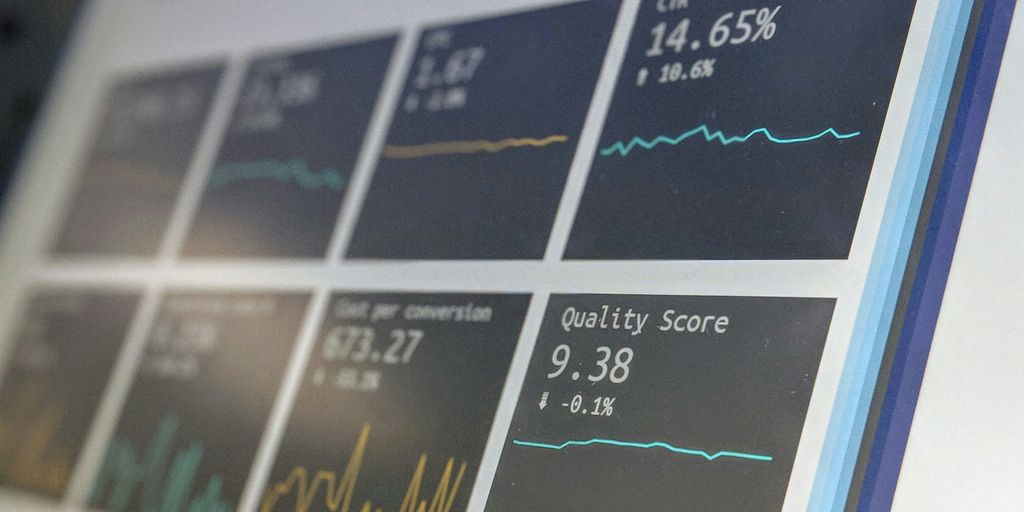
Okay, so you’re trying to figure out what everyone really thinks about the market, right? It’s not just about the numbers; it’s about the vibes. Here’s how to get a handle on those vibes when you’re trading options.
News Analysis
Don’t just read the headlines; dig in. What are they really saying? Earnings reports, economic data, political stuff – it all matters. You’re trying to figure out how the news is going to make people feel, because that’s what moves markets. Look for the underlying sentiment, not just the surface-level facts.
Social Media Sentiment
Social media is a HUGE source of info, but it’s also a HUGE mess. You’ve got to sort through the noise. Are people excited? Scared? Indifferent? Tools can help you track the overall mood, but don’t rely on them completely. Use your brain, too. Remember that social media sentiment can be misleading.
Expert Opinions
Listen to the pros, but don’t blindly follow them. What are the big analysts saying? What’s their outlook? Are they usually right? Consider their biases. Are they always bullish, no matter what? Take their opinions with a grain of salt, but definitely pay attention. They often have insights you might miss.
Sentiment Indicators
Okay, this is where the numbers come back in. Put/call ratios, the VIX, all that stuff. These indicators try to quantify sentiment. Are people buying a ton of puts, betting the market will go down? Is the VIX spiking, meaning everyone’s freaking out? These indicators can give you a quick snapshot of the overall mood, but they’re not perfect. Use them as one piece of the puzzle, not the whole picture.
Sentiment analysis is not a crystal ball. It’s just another tool in your toolbox. Use it wisely, combine it with other forms of analysis, and don’t get too caught up in the hype. The market can change its mind in an instant, so always be prepared to adjust your strategy.
Implementing Sentiment Analysis In Your Options Trading Strategy
Okay, so you’ve got the basics of sentiment analysis down. Now, how do you actually use it to make better trades? It’s not just about knowing if people are generally happy or sad about a stock; it’s about turning that knowledge into a concrete plan.
Develop A Sentiment Analysis Workflow
First, you need a system. Don’t just randomly check Twitter and then buy a call option. Create a repeatable process for gathering, analyzing, and acting on sentiment data. This means figuring out which news sources, social media platforms, and sentiment indicators you’ll track. Then, decide how you’ll interpret that data and how it fits into your existing technical analysis. For example, if a stock looks technically strong but sentiment is overwhelmingly negative, that might be a warning sign to wait or even consider a short position.
Focus On Influential Market Participants
Not all opinions are created equal. The random guy on Reddit might be wrong, but what about a well-known hedge fund manager? Pay attention to what the big players are saying. Their actions often speak louder than words, so track their positions if you can. Keep an eye on the sentiment of influential market participants – like institutional investors – as their opinions can significantly impact the market’s direction and options trading opportunities. It’s like knowing what the smart money is doing.
Adjust Your Trading Strategy
This is where the rubber meets the road. Sentiment analysis shouldn’t be an afterthought; it should be baked into your trading strategy. If sentiment is strongly bullish, you might increase your position size or use a more aggressive strategy. If sentiment is bearish, you might reduce your exposure or buy protective puts. It’s all about adapting to the prevailing mood. Remember, sentiment analysis aids investors in identifying market strengths and weaknesses.
Sentiment analysis is just one piece of the puzzle. Don’t rely on it exclusively. Always combine it with other forms of analysis and sound risk management principles. A good strategy is to use sentiment as a confirmation or warning signal for your existing trading ideas.
Leveraging Options Data To Gauge Market Sentiment
Options data isn’t just for options traders. It can give stock traders a sense of market sentiment, potentially showing what others are doing with a stock’s options. This can hint at where a stock might be headed, signaling trend formations, continuations, or endings. Let’s look at some key metrics.
Open Interest
Open interest shows the total number of outstanding options contracts (both puts and calls) for a specific underlying asset. A rising open interest suggests new money is flowing into the options market, indicating a strengthening conviction in the direction of the underlying asset. Conversely, declining open interest might signal waning interest or liquidation of positions.
Put/Call Ratio
The put/call ratio is calculated by dividing the volume of put options by the volume of call options. It’s a popular sentiment indicator. A high ratio suggests a bearish outlook, as more traders are buying puts (betting the price will fall). A low ratio indicates a bullish sentiment, with more traders buying calls (expecting the price to rise). Keep in mind that this is a contrarian indicator for some, as extremely high or low ratios can signal potential reversals.
Sizzle Index
The Sizzle Index measures the current options volume relative to its recent average. A high Sizzle Index suggests increased trading activity and heightened interest in a particular option. This can be due to a major news event, earnings release, or a significant price movement in the underlying asset. It helps identify which options are "hot" and attracting attention. historical data can help you understand how the sizzle index has performed in the past.
Options data provides valuable clues about market sentiment. By monitoring these indicators, traders can gain insights into the collective mood of the market and make more informed decisions about their positions.
Here’s a simple table illustrating how these indicators might be interpreted:
| Indicator | High Value | Low Value |
|---|---|---|
| Open Interest | Strengthening Trend | Weakening Trend |
| Put/Call Ratio | Potential Oversold Condition (Bearish) | Potential Overbought Condition (Bullish) |
| Sizzle Index | Increased Interest, Potential Volatility | Decreased Interest, Potential Consolidation |
The Impact Of Market Sentiment On Options Pricing
Market sentiment can really mess with options prices. It’s not just about the numbers; it’s about how people feel about those numbers. When everyone’s optimistic, options prices can get inflated, and when fear takes over, they can plummet. It’s a wild ride.
Understanding Volatility
Volatility and sentiment are like two peas in a pod. High volatility often reflects uncertainty or fear, which can be a direct result of negative market sentiment. Conversely, low volatility can indicate complacency or strong bullish sentiment. This relationship is super important for options traders because volatility is a key factor in options pricing. If everyone’s panicking, implied volatility shoots up, making options more expensive. If everyone’s chill, implied volatility drops, and options become cheaper. It’s all connected.
Market Sentiment And Risk Management
Sentiment analysis is a great tool for risk management. By understanding the prevailing market mood, you can better assess the potential risks associated with your options positions. For example, if sentiment is overly bullish, it might be a good time to reduce your long positions or buy some protection. It’s all about being prepared for a potential shift in sentiment. You can analyze economic indicators to get a better sense of the market’s overall health.
Identifying Trends Through Sentiment
Sentiment can be a leading indicator of potential trend reversals. If you see a lot of negative sentiment building up despite a rising market, it could signal an upcoming correction. Conversely, strong positive sentiment in a declining market might suggest a bottom is near. It’s not foolproof, but it can give you a heads-up. Here’s a simple way to think about it:
- Extreme Optimism: Potential market top
- Extreme Pessimism: Potential market bottom
- Neutral Sentiment: Trend continuation
Sentiment analysis isn’t a crystal ball, but it’s a valuable tool for understanding the emotional undercurrents that drive market behavior. By incorporating sentiment analysis into your options trading strategy, you can make more informed decisions and improve your overall risk management.
Common Beginner Terms Related To Market Sentiment
For those just starting out, the world of market sentiment can seem like a whole new language. Let’s break down some common terms you’ll encounter.
Bullish And Bearish Sentiment
These are the most basic terms. Bullish means investors expect prices to rise. Think of a bull charging upward. Bearish, on the other hand, means investors anticipate prices to fall, like a bear swiping down. Understanding this is the first step in grasping market sentiment. It’s important to remember that these sentiments are not always rational and can be driven by emotion.
Market Indicators
Market indicators are statistics or data points that help gauge the overall health and direction of the market. These can include things like the put/call ratio, which compares the volume of put options (bets on a price decrease) to call options (bets on a price increase). Other indicators include volatility indices and advance/decline lines. These indicators provide clues, but they aren’t crystal balls.
Here are a few common market indicators:
- Put/Call Ratio: Measures the ratio of put options to call options.
- Volatility Index (VIX): Represents the market’s expectation of volatility over the next 30 days.
- Advance/Decline Line: Shows the number of stocks rising versus falling.
Contrarian Investing
Contrarian investing is a strategy where you go against the prevailing market sentiment. The idea is that when everyone is bullish, the market might be overbought and due for a correction, and vice versa. It’s about finding opportunities when the crowd is wrong. It’s not for the faint of heart, as it requires going against the grain. It’s like betting that everyone else is wrong, which can be risky, but also potentially rewarding. It’s important to do your own research and not blindly follow the crowd, even if you’re a contrarian investor.
Contrarian investing isn’t about being stubborn; it’s about being rational and analytical when emotions are running high in the market. It requires a deep understanding of market cycles and the ability to identify when the crowd is likely to be wrong. It’s a high-risk, high-reward strategy that demands discipline and patience.
Resources For Mastering Sentiment Analysis In Options Trading
Okay, so you’re trying to get better at using sentiment analysis for options trading? Good move! It’s not just about the numbers; it’s about understanding what people think about the numbers. Here’s how to level up.
Expert Educational Content
First off, you need to soak up all the knowledge you can. Look for articles and tutorials that really break down how sentiment analysis works in the options world. Don’t just skim; really try to understand the concepts. You want stuff that covers everything from the basics to more advanced strategies. It’s like learning a new language; you gotta start with the alphabet before you can write a novel. For example, understanding options charts is a great place to start.
Interactive Webinars And Events
Webinars and live events can be super helpful. They let you see how experienced traders actually use sentiment analysis in real time. Plus, you can ask questions and get answers right away. It’s way better than just reading a book, because you get to see the process in action. Look for sessions that focus on practical examples and case studies.
Community Support
Don’t underestimate the power of a good community. Find forums or groups where other options traders hang out. Sharing ideas, asking questions, and getting feedback can really speed up your learning. Plus, it’s good to know you’re not alone in the trenches. Sometimes, just hearing how other people are using sentiment analysis can spark new ideas for your own trading.
Sentiment analysis can feel overwhelming at first, but with the right resources and a bit of practice, you can definitely get the hang of it. The key is to stay curious, keep learning, and don’t be afraid to experiment. Good luck!
If you want to get better at understanding how people feel about options trading, check out our resources! We have everything you need to learn and grow your skills. Don’t miss out on the chance to improve your trading game. Visit our website today and start your journey to success!
Wrapping It Up
In conclusion, understanding market sentiment in options trading is key to making smarter decisions. By keeping an eye on how investors feel about the market, you can spot trends and adjust your strategies accordingly. Whether it’s through news analysis, social media, or expert opinions, gathering sentiment data can give you an edge. Remember, it’s not just about numbers; it’s about the emotions driving those numbers. So, take the time to analyze sentiment, and you might just find yourself making more informed trades. Happy trading!
Frequently Asked Questions
What is market sentiment?
Market sentiment is the overall feeling or mood of investors about a stock or the entire market. It shows how traders feel, whether they are feeling positive (bullish) or negative (bearish) about prices.
How does market sentiment affect stock prices?
Market sentiment can cause prices to change because it influences how many people want to buy or sell a stock. If many people are buying, prices usually go up. If most people are selling, prices usually go down.
What tools can I use to analyze market sentiment?
You can use several tools to analyze market sentiment, such as news articles, social media posts, expert opinions, and special indicators like the put/call ratio.
Why is understanding market sentiment important for trading options?
Understanding market sentiment helps traders make better decisions. It allows them to see trends and predict how prices might move, which can lead to more successful trades.
What is the put/call ratio?
The put/call ratio is a tool that shows the number of put options (which bet prices will go down) compared to call options (which bet prices will go up). A high ratio can indicate bearish sentiment, while a low ratio suggests bullish sentiment.
How can I improve my options trading using sentiment analysis?
To improve your options trading, you can gather and analyze sentiment data regularly, pay attention to influential investors, and adjust your strategies based on the current market mood.