
Picking the right trading platform for options can feel like a big deal, especially with so many choices out there. It’s not just about finding a place to buy and sell; it’s about having the right tools, getting good information, and making sure it fits how you like to trade. This article will help you figure out what to look for, whether you’re just starting out with options or you’ve been doing this for a while. We’ll go over different kinds of platforms and what makes each one stand out.
Key Takeaways
- A good trading platform for options needs strong features, like easy-to-use analysis tools and quick trade execution.
- For options beginners, look for platforms with lots of learning materials and a way to practice trading without using real money.
- Experienced options traders will want advanced tools for detailed analysis and complex trading strategies.
- Mobile options trading apps should offer full functionality so you can trade from anywhere.
- Consider the costs involved, like per-contract fees, to find a cost-effective solution for your options trading.
Understanding Options Trading Platforms
Key Features of a Top Trading Platform
When you’re looking at options trading platforms, it’s easy to get lost in all the jargon and features. But what really makes a platform good? Well, it boils down to a few key things. First, you need a platform that’s reliable and stable. Nobody wants their trades to fail because the system crashed at a critical moment. Second, the platform should have a user-friendly interface. If it’s too complicated, you’ll spend more time trying to figure out how to place a trade than actually trading. Third, look for platforms with robust charting tools and real-time data. These are essential for making informed decisions. Finally, consider the range of order types offered. The more flexibility you have, the better you can execute your strategies. A good platform should also provide detailed options chains.
Why the Right Platform Matters for Options
Choosing the right platform for options trading isn’t just about convenience; it can seriously impact your profitability. The right platform can provide the tools and resources you need to make informed decisions, manage risk effectively, and execute trades efficiently. Think of it like this: you wouldn’t try to build a house with only a hammer, right? Similarly, you need the right tools to succeed in options trading. A platform with poor execution speeds, limited analytical capabilities, or high fees can eat into your profits and hinder your ability to trade effectively. It’s about finding a platform that aligns with your trading style, experience level, and financial goals.
Evaluating Platform Performance and Tools
Okay, so how do you actually evaluate a platform’s performance and tools? Start by looking at the speed and reliability of trade execution. Can the platform handle high volumes without lagging? Next, check out the charting tools. Are they comprehensive enough to perform technical analysis? Does the platform offer real-time data and analytics? Also, consider the availability of risk management tools, such as profit and loss calculators and position sizing tools. Finally, don’t forget about the user interface. Is it intuitive and easy to navigate? Here’s a quick checklist:
- Trade execution speed
- Charting tool capabilities
- Real-time data availability
- Risk management tools
Choosing the right options trading platform is a critical decision that can significantly impact your trading success. Take the time to research and compare different platforms to find one that meets your specific needs and goals. Don’t rush the process, and always prioritize functionality and reliability over flashy features or low fees.
Top Trading Platforms for Options Beginners
Platforms Designed for New Options Traders
Choosing the right platform when you’re just starting with options can feel overwhelming. It’s important to find one that’s user-friendly and offers the support you need to learn the ropes. Look for platforms with intuitive interfaces and clear explanations of options strategies. Some popular choices include Charles Schwab, known for its excellent customer service, and Webull, which offers a simplified trading experience. Interactive Brokers is also a solid choice, though it might have a steeper learning curve initially.
Educational Resources for Options Beginners
Learning about options trading is a continuous process, and the platform you choose should support that. The best platforms provide a range of educational resources, such as:
- Tutorial videos explaining basic concepts
- Articles and guides on different options strategies
- Webinars and live events with experienced traders
A good platform will not only allow you to trade but also help you understand the market and make informed decisions. Look for platforms that offer a structured learning path to guide you through the basics and more advanced topics.
Practice Trading with Paper Accounts
Before risking real money, it’s wise to practice with a paper trading account. This allows you to simulate trades using virtual money, giving you a feel for how options work without any financial risk. Many platforms offer this feature, including:
- Plus500: Known for quick onboarding and ease of use.
- Interactive Brokers: Offers advanced tools even in its paper trading mode.
- Webull: Ideal for beginners with a user-friendly interface.
Using a paper account is a great way to test different strategies and get comfortable with the platform’s tools before you start trading with real capital.
Advanced Tools for Experienced Options Traders
Sophisticated Analytical Tools
For seasoned options traders, basic charting and order entry just don’t cut it. You need platforms that offer in-depth analytical tools to really understand market dynamics and potential risks. Think about features like volatility skew analysis, probability calculators, and advanced strategy builders. These tools let you go beyond simple buy/sell decisions and craft complex strategies tailored to your specific market outlook. It’s about having the power to dissect the market and make informed choices, not just following the herd. For example, backtesting options strategies is a must.
Real-Time Data and Greeks Analysis
Real-time data is the lifeblood of any serious options trader. We’re not talking about delayed quotes here; we need streaming, up-to-the-second information. But raw data alone isn’t enough. You also need a platform that can crunch those numbers and present them in a meaningful way. That’s where Greeks analysis comes in. Delta, Gamma, Theta, Vega, and Rho – you need to see these values updated in real-time, directly on your options chain. This allows you to quickly assess your position’s sensitivity to changes in price, time, volatility, and interest rates. Without this, you’re flying blind.
Multi-Leg Options Strategy Execution
Experienced options traders often employ complex, multi-leg strategies to capitalize on specific market conditions or manage risk. A good platform needs to facilitate the easy and efficient execution of these strategies. This means having the ability to create and execute orders with multiple legs simultaneously, rather than having to enter each leg individually. The platform should also automatically calculate the net debit or credit of the entire strategy, as well as the maximum potential profit and loss. This streamlines the trading process and reduces the risk of errors, especially when dealing with strategies involving four or more legs.
Options trading is not a game of chance; it’s a calculated endeavor. The right tools can significantly improve your odds of success, but they’re no substitute for knowledge, experience, and a well-defined trading plan.
Here’s a quick look at some features to consider:
- Customizable options chains
- Profit and loss visualizers
- Risk analysis tools
- Strategy backtesting capabilities
Mobile Options Trading Platforms
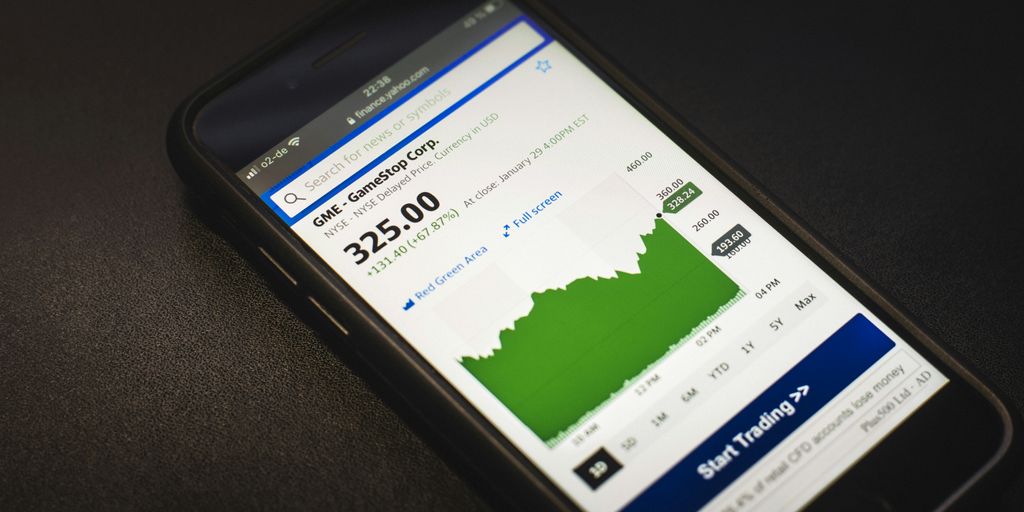
Mobile trading has become super important, especially for options. Being able to manage your positions or jump on a trade while you’re out and about is a game-changer. But not all mobile platforms are created equal. Some are clunky, slow, or just plain missing features. Let’s look at what makes a good mobile options trading platform.
Best Apps for On-the-Go Trading
Finding the best stock trading apps broker guides for options really depends on what you need. Some brokers have nailed the mobile experience, offering almost everything you get on their desktop platform. Others… not so much.
Here are a few things I look for:
- Intuitive Interface: Can I easily find what I need without digging through menus?
- Charting Tools: Does the app have decent charts and technical indicators?
- Order Entry: Is it easy to place complex orders, like spreads or strangles?
Some popular choices include:
- Webull: Known for its simple interface and commission-free options trading.
- E*TRADE: Offers a robust mobile app with lots of features and research.
- Interactive Brokers: A powerful app for experienced traders, with access to global markets.
Full Functionality on Mobile Devices
The best mobile options trading apps don’t skimp on features. You should be able to do pretty much everything you can do on your computer. This includes:
- Accessing Options Chains: Viewing all available strike prices and expiration dates.
- Analyzing Greeks: Seeing how your positions are affected by changes in price, time, and volatility.
- Managing Positions: Adjusting or closing out trades quickly and easily.
It’s frustrating when a mobile app only offers a fraction of the features available on the desktop platform. Make sure the app you choose has everything you need to trade options effectively.
Seamless Mobile Trading Experience
What does a seamless mobile trading experience look like? It means the app is fast, reliable, and easy to use. No crashes, no lag, and no confusing menus. You want to be able to place trades quickly, especially when the market is moving fast. Look for apps with:
- Real-Time Data: Up-to-the-minute quotes and market information.
- Customizable Layouts: The ability to set up the app the way you like it.
- Push Notifications: Alerts for price movements, order fills, and other important events.
If the app feels clunky or slow, it’s probably not worth your time. There are plenty of other options out there.
Cost-Effective Options Trading Solutions

Brokers with Low or No Options Fees
Finding a broker that doesn’t bleed you dry with fees is a big deal, especially when you’re trading options. Some brokers are now offering commission-free options trading, which can seriously cut down on your costs. Others might have very low per-contract fees. It’s worth shopping around and comparing what’s out there. For example, some brokers offer promotions like EDGE100 promo code for low commissions.
Understanding Per-Contract Fees
Okay, so you found a broker that claims to have low fees. Great! But what about those per-contract fees? These can add up quickly, especially if you’re trading a lot of contracts. It’s important to understand how these fees work and how they can impact your overall profitability. Some brokers also have different fee structures depending on the type of option or the volume you’re trading.
Here’s a simple example:
| Broker | Per Contract Fee |
|---|---|
| Broker A | $0.50 |
| Broker B | $0.65 |
| Broker C | $1.00 |
If you trade 10 contracts, Broker A would cost you $5, Broker B $6.50, and Broker C $10. It might not seem like much, but it adds up over time.
Maximizing Value in Options Trading
To really get the most bang for your buck, think about more than just the fees. Consider the platform itself. Does it have the tools you need to analyze options and execute trades effectively? Does it offer educational resources to help you improve your skills? A platform with excellent options-centered educational resources can be worth a slightly higher fee if it helps you make better trades. Also, look for brokers that pay interest on uninvested cash.
Don’t just chase the lowest fees blindly. Think about the overall value you’re getting from the platform. A slightly more expensive platform with better tools and support might actually save you money in the long run by helping you make more profitable trades. It’s about finding the right balance between cost and quality.
Comprehensive Research and Analysis Tools
Alright, so you’re getting serious about options. That means you need more than just a basic platform. You need tools, data, and insights. Let’s talk about what to look for.
In-Depth Market Research Capabilities
Having access to solid market research can really change the game. It’s about more than just seeing the price; it’s about understanding why the price is what it is. I’m talking about analyst reports, economic calendars, and maybe even some sentiment analysis. You want to be able to dig deep and form your own opinions, not just follow the crowd. Some platforms offer research directly, while others integrate with third-party providers. Make sure you know what you’re getting.
- Analyst reports from reputable firms
- Economic calendars to track important events
- Sentiment analysis tools to gauge market mood
Charting and Technical Analysis Tools
If you’re into technical analysis, you’ll want a platform with robust charting tools. We’re talking about more than just simple line graphs. Think candlestick charts, moving averages, Fibonacci retracements, and a whole bunch of other indicators. The more options you have, the better you can refine options trading strategies. Plus, you want to be able to draw on the charts, save your setups, and easily switch between different timeframes. A good charting package can really help you spot trends and potential entry/exit points.
- Variety of chart types (candlestick, line, bar)
- Wide range of technical indicators
- Customizable chart settings and layouts
Access to Expert Insights and Analysis
Sometimes, you just want to hear what the pros think. Look for platforms that provide access to expert insights and analysis. This could be in the form of daily market commentary, webinars, or even direct access to analysts. Keep in mind that you should always do your own research and not blindly follow anyone’s advice, but getting different perspectives can be really helpful. Some platforms also offer educational resources to help you better understand the market.
It’s important to remember that no research tool or expert opinion is a crystal ball. The market is unpredictable, and you should always manage your risk accordingly. Don’t put all your eggs in one basket, and never invest more than you can afford to lose.
Selecting Your Ideal Options Trading Platform
Assessing Your Trading Needs
Okay, so you’re ready to pick a platform. First things first, what do you need? Are you a newbie just dipping your toes in, or are you trying to execute complex strategies? Knowing your skill level and goals is the first step. Think about how often you plan to trade, what kind of research you want access to, and how much you’re willing to spend on fees. It’s like buying a car – you wouldn’t get a sports car if you need to haul kids around, right?
Comparing Platform Offerings
Alright, now for the fun part: shopping around. Each platform has its own strengths and weaknesses. Some are great for beginners with easy-to-use interfaces and tons of educational resources. Others are geared towards experienced traders with advanced charting tools and sophisticated analytics. Look at the options charts available. Compare the fees, the tools, the customer service, and the overall user experience. Don’t just go with the first one you see. Do your homework!
Here’s a quick rundown of things to compare:
- Fees: Commission, per-contract fees, inactivity fees.
- Tools: Charting, analysis, screeners, calculators.
- Education: Tutorials, webinars, articles, support.
- Usability: How easy is it to navigate and use the platform?
Making an Informed Platform Choice
Okay, you’ve assessed your needs and compared the options. Now it’s time to make a decision. Don’t rush it! Consider trying out a few platforms with paper trading accounts to get a feel for them. Read reviews, ask other traders for their opinions, and trust your gut. The best platform for you is the one that fits your needs and helps you achieve your trading goals.
Choosing the right platform is a personal decision. There’s no one-size-fits-all answer. Take your time, do your research, and pick the platform that feels right for you. It’s an important decision that can impact your trading success.
Picking the right place to trade options is super important for your success. It’s like choosing the right tools for a big project. A good platform can make trading easier and help you reach your money goals. Want to learn more and get started? Check out our free training today!
Conclusion
So, picking the right options trading platform really comes down to what you need. There are a lot of choices out there, and each one has its own good points. Some are great if you’re just starting out, with lots of learning materials. Others are better for people who trade a lot and need super fast tools. Think about what kind of trading you do, how much you want to spend, and what features matter most to you. Taking the time to look around and try a few out can make a big difference in how well you trade.
Frequently Asked Questions
What is the best trading platform for options?
tastytrade is widely considered the top platform for options trading. It’s built specifically for options traders, offering easy-to-use tools, real-time data on how options prices move, and simple ways to put together complex options trades. Plus, it has great learning materials and a lively trading community.
Which broker has free options trading?
Many brokers say they offer “zero commission” options trading, but they often charge a small fee for each contract you trade. However, a few, like Robinhood, SoFi Invest, Firstrade, and Webull, truly offer options trading without any commissions or per-contract fees. Among these, Firstrade stands out because it provides many helpful tools and research for options.
What is the best app to trade options?
tastytrade also offers the best app for options trading. Unlike many other brokers whose apps have fewer features than their computer versions, tastytrade’s app is fully loaded. You can create and change complex options strategies, see real-time data, and manage your trades smoothly, all from your phone.
Where can I practice options trading?
To practice options trading, look for a platform that offers a free ‘paper trading’ account. This lets you trade with fake money in a realistic setting, so you can learn without risking real cash. Platforms like E*TRADE, Charles Schwab, tastytrade, TradeStation, Webull, and Interactive Brokers all provide paper trading for options.
How do I choose the right options trading platform for me?
The best platform for you depends on what you need. If you’re new, look for platforms with good learning tools and simple interfaces. If you’re experienced, you’ll want advanced analysis tools and fast trading features. Consider what kind of trading you do and what features are most important for your style.
Can these platforms help me manage the risks of options trading?
Yes, many platforms offer tools to help you understand and manage risk in options trading. These can include profit and loss calculators, tools to analyze how different market changes affect your trades, and ways to set limits on potential losses. It’s important to use these tools to protect your investments.